

Categories
Housing Disrepair Claims Social Housing Disrepair

Awaab’s Law: Stronger Legal Protection for Social Housing Tenants

The Government has implemented amendments to the Social Housing Regulation Bill to introduce

The Government has introduced significant amendments to the Social Housing Regulation Bill, bringing Awaab’s Law into force. As a result, social housing tenants now have stronger legal protection against unsafe living conditions.

Under Awaab’s Law, social housing landlords must investigate and fix damp and mould within strict new time limits. Housing Secretary Michael Gove confirmed these measures on Thursday 9 February, marking an important step forward for tenant safety.

Why the Government Introduced Awaab’s Law

The Government introduced Awaab’s Law following the tragic death of Awaab Ishak, which resulted from prolonged exposure to damp and mould in social housing. His case exposed serious failures by landlords to respond to repeated complaints.

In response, Michael Gove, Secretary of State for Levelling Up, Housing and Communities, said:

The tragic death of Awaab Ishak should never have happened. He was inexcusably let down and his family repeatedly ignored. I want to pay tribute to Awaab’s family for their tireless fight for justice over the last two years. Awaab’s Law will help to ensure that homes across the country are safe, decent and warm.

Updated Guidance on Damp and Mould

Alongside the new legal duties, the Government has committed to reviewing existing guidance on the health effects of damp and mould. Following this review, it will publish new, housing-specific guidance by Summer 2023.

Together, these changes aim to improve living standards, protect tenant health, and prevent landlords from ignoring serious housing disrepair.

How NJS Law Can Help with Housing Disrepair Claims

If your landlord has failed to deal with damp, mould, or other serious disrepair, NJS Law can help. We are one of the few specialist housing disrepair solicitors across England and Wales with a dedicated legal team focused on tenant protection.

Our priority is to ensure repairs are completed promptly and that your home is restored to a safe, healthy, and liveable condition.

How We Support Tenants

We can help you by:

  • Instructing an independent surveyor to assess the disrepair and prepare a detailed report
  • Taking legal action to ensure your housing association or council completes all necessary repairs
  • Claiming compensation for the time your property has remained in disrepair

Moreover, at NJS Law, we act on a No Win No Fee basis. This means you can pursue a housing disrepair claim without upfront legal costs.

Speak to Our Housing Disrepair Specialists Today

Our team has decades of combined experience handling housing disrepair claims. Above all, we remain sympathetic, understanding, and committed to supporting you at every stage of your claim.

If your home suffers from damp, mould, or other serious issues, Awaab’s Law may give you new legal rights.

FIND OUT IF YOU ARE ELIGIBLE TO CLAIM FOR REPAIRS AND COMPENSATION

Average Compensation - £1,895
We work on a NO WIN NO FEE basis
to get your home put right and to get you compensated!

Ask NJS Law

For fast, friendly affordable legal advice. Contact a member of our team today.

FAQ

For any questions we may be able to answer, discover our FAQ section.

Categories
Social Housing Disrepair

Social Housing Regulation Bill 2022–23: What It Means for Tenants

The Effect Of The Social Housing Regulation Bill 2022-23 On Tenants’ Rights

Following the tragic death of a two-year-old boy from a respiratory illness linked to damp and mould in social housing, many tenants understandably feel concerned about the safety of their homes.

This heartbreaking case highlighted serious failings in social housing standards. As a result, the Government introduced major reforms aimed at protecting tenants and improving accountability.

Why the Social Housing Regulation Bill Was Introduced

In the opening of the Social Housing White Paper, which forms the basis of many reforms in the Social Housing Regulation (SHR) Bill 2022–23, former Prime Minister Boris Johnson reflected on a visit he made to a damp and mould-infested council home in the 1980s.

He described how the physical conditions were appalling. However, what struck him most was the despair of a father who had complained repeatedly but felt completely ignored.

Mr Johnson explained that the White Paper aimed to create a system where social housing tenants are listened to and taken seriously. The SHR Bill 2022–23 seeks to turn that promise into law.

What Is the Social Housing Regulation Bill 2022–23?

The Social Housing Regulation Bill 2022–23 delivers the proposals set out in the Social Housing White Paper and the 2019 Conservative Government Manifesto.

Specifically, the Bill aims to:

  • Give tenants stronger rights
  • Improve access to swift and fair redress
  • Strengthen the powers of the Regulator of Social Housing

Ultimately, the legislation focuses on improving safety, transparency, and housing standards across the social housing sector.

What Did the Social Housing White Paper Recommend?

The White Paper introduced a charter of expectations for social housing tenants. These standards include the right:

  • To live in a safe and secure home
  • To understand how landlords perform on repairs, safety, and complaints
  • To have complaints handled promptly and fairly
  • To receive support from a strong Housing Ombudsman
  • To be treated with respect and dignity
  • To have a voice in how housing services operate
  • To live in a well-maintained home and neighbourhood
  • To receive support when taking steps toward home ownership

These principles form the foundation of the SHR Bill.

How Does the SHR Bill 2022–23 Enforce These Standards?

The SHR Bill 2022–23 introduces several key legal changes. These include:

  • Making safety, transparency, and energy efficiency core objectives of the Regulator
  • Allowing the Regulator to set standards for staff competence and conduct
  • Requiring landlords to appoint a designated health and safety lead
  • Enabling new rules for electrical safety checks
  • Giving the Regulator power to demand and publish landlord performance data
  • Introducing regular inspections of registered social housing providers

In addition, the Regulator can now order emergency repairs where necessary. If this happens, the landlord must cover the cost.

Furthermore, the Regulator can intervene when homes fall below the Decent Homes Standard, ensuring quicker action when tenant safety is at risk.

Will the SHR Bill Help Tenants Get Repairs Done Faster?

Only time will tell. Initially, landlords and the Regulator will need to adjust to their new responsibilities.

However, the success of the legislation will depend heavily on how robustly the Regulator enforces the rules. Until then, tenants should not wait for conditions to worsen.

If you live in social housing and your home needs urgent repairs, you should seek legal advice as soon as possible.

How NJS Law Can Help With Housing Disrepair Claims

At NJS Law, we specialise in housing disrepair claims for tenants across England and Wales. Our experienced legal team focuses on forcing landlords to carry out repairs and restoring homes to a safe, liveable condition.

How We Support You

We can help by:

  • Instructing an independent surveyor to assess the disrepair
  • Taking legal action to ensure your council or housing association completes repairs
  • Claiming compensation for the time your home has remained in disrepair

Importantly, we act on a No Win No Fee basis, meaning there is no upfront cost to you.

Speak to Our Housing Disrepair Solicitors Today

Our team has decades of combined experience handling housing disrepair claims. Above all, we are sympathetic, understanding, and committed to supporting you every step of the way.

If damp, mould, or serious disrepair affects your home, do not wait.

FIND OUT IF YOU ARE ELIGIBLE TO CLAIM FOR REPAIRS AND COMPENSATION

Average Compensation - £1,895
We work on a NO WIN NO FEE basis
to get your home put right and to get you compensated!

Ask NJS Law

For fast, friendly affordable legal advice. Contact a member of our team today.
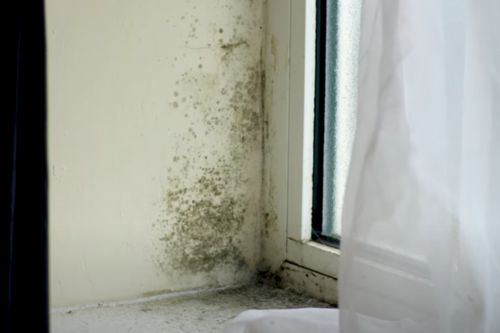
FAQ

For any questions we may be able to answer, discover our FAQ section.

Categories
Council House Disrepair

The Housing Ombudsman Has Issued a Special Report on Birmingham City Council

The Housing Ombudsman has issued a special report on Birmingham City Council

Since the conditions in which Awaab Ishak lived were made public, alongside the serious health problems that ultimately led to his death, the UK Government and the Housing Ombudsman have introduced new regulations. These reforms aim to improve the quality, safety, and living conditions of homes owned by local councils and housing associations.

As part of this increased scrutiny, the Housing Ombudsman has issued a special report on Birmingham City Council, identifying fundamental failures in how the council handled housing disrepair complaints and compensation claims.

Housing Ombudsman Findings on Birmingham City Council

The Housing Ombudsman identified four key areas of failure, each accompanied by clear recommendations to prevent future service failures.

Repairs

The Ombudsman found that Birmingham City Council’s repairs policy was not effective in practice. Tenants were often forced to make repeated requests for repairs, with issues remaining unresolved over long periods of time.

Key recommendations include:

  • Improving how repair requests are triaged
  • Monitoring contractor performance more closely
  • Taking a proactive approach to identifying and resolving disrepair issues

Record Keeping

Poor record keeping was identified as a significant cause of repeated service failures. The council had no clear framework setting out expectations for staff or contractors, resulting in missed repairs and inadequate complaint responses.

The Ombudsman recommended:

  • Creating a clear-record keeping framework
  • Developing an action plan to improve internal and external communication
  • Ensuring better cross-departmental information sharing

Complaint Handling

The council’s complaints policy failed to comply with many requirements of the Housing Ombudsman Complaint Handling Code. As a result, complaints were unlikely to be handled fairly or effectively.

Recommendations included:

  • Updating the complaints process to comply with the Code
  • Carrying out a self-assessment to identify and resolve areas of non-compliance

Compensation

The Ombudsman found serious flaws in the council’s compensation policy. It failed to allow compensation for distressinconveniencetimeand trouble, and incorrectly suggessted compensation could not be paid where liability was denied.

In one case, the council attempted to offset compensation against rent arrears, which is explicitly prohibited under Ombudsman guidance.

The report recommends:

  • Introducing a new compensation policy
  • Ensuring tenants do not need to pursue separate claims for compensation

Do You Have a Housing Disrepair Claim?

If you are a tenant living in a council or housing association property that has fallen into disrepair – and your landlord has failed to carry out repairs – you may be entitled to make a housing disrepair claim.

This includes issues such as dampmouldleaksheating failuresor structural defects.

How NJS Law Can Help with Damp and Mould Repairs

NJS Law are one of a few specialist housing disrepair firms in England and Wales with a dedicated legal team focused on ensuring repairs are completed and tenants receive the safe, high-quality homes they deserve.

Our Housing Disrepair Services Include

  • Instructing an independent surveyor to assess the disrepair and prepare expert evidence
  • Taking legal action to force your council or housing association to complete all necessary repairs
  • Claiming compensation for the period your home has been left in disrepair

Housing Disrepair Claims on a No Win No Fee Basis

At NJS Law, we are housing disrepair claim experts, assisting tenants nationwide on a NO WIN NO FEE basis. We help compel councils and housing associations to carry out essential repairs while also recovering compensation for delayed or ignored maintenance.

Our team has decades of combined experience and is known for being sympathetic, approachable, and supportive throughout the entire claims process.

Contact NJS Law Today

Call us on 0800 093 3393 today to discuss your housing disrepair claim and find out how we can help you improve your living conditions.

Ask NJS Law

For fast, friendly affordable legal advice. Contact a member of our team today.

FAQ

For any questions we may be able to answer, discover our FAQ section.

Categories
Inheritance Act Claims

Inheritance Act 1975 Claims Explained: Lessons from Fennessy v Turner

How To Make A Claim Under The Inheritance Act 1975

The recent release of Prince Harry’s autobiography, Spare, illustrates just how fractious family relationships can be.

Although most families would be hard pressed to match the Windsor in both wealth and the occasional rancour towards each other, when it comes to money and inheritances, claims under the Inheritance (Provision for Family and Dependants) Act 1975 (Inheritance Act 1975) can demonstrate that each unhappy family is indeed “unhappy in its own way”.

A helpful example of how claims under the Inheritance (Provision for Family and Dependants) Act 1975 operate in practice can be found in the appeal case of Fennessy v Turner & another [2022] WTLR 1295.

The case concerned Hazel Fennessy, her two children Heidi and Patrick (the Claimant), and Mrs Turner, a third-party beneficiary.

Background to the Case

Hazel and her daughter Heidi lived together and shared an exceptionally close relationship throughout their lives. Tragically, Heidi died just six weeks before her mother. During her lifetime, Heidi was known to have difficult relationships with some family members, including her brother Patrick.

Patrick, who had seven children, worked for many years as a coalman and HGV driver and at one point ran the family coal merchant business. Importantly, he had been told that he would inherit “everything” once both Hazel and Heidi had passed away. As a result, this created a clear expectation.

Despite this, Hazel’s Will dated 24 January 2012 left her entire estate to Heidi and appointed her as sole executrix. The Will further stated that, if Heidi predeceased her, the estate would instead pass to Mrs Turner, who would also act as executrix. Patrick was entirely excluded.

The Inheritance Act 1975 Claim

Following Hazel’s death, Patrick brought a claim under the Inheritance Act 1975, arguing that the Will failed to make reasonable financial provision for him as Hazel’s son.

The estate was valued at £360,371.63. Patrick was awarded just over £195,000, and crucially, this decision was upheld on appeal.

This case provides a clear illustration of:

  • Who can bring a claim under the Inheritance Act 1975
  • How courts assess “reasonable financial provision”
  • The factors influencing the size of an award

What Is the Inheritance Act 1975?

The Inheritance Act 1975 allows certain individuals to apply to the court for reasonable financial provision if the deceased’s Will (or intestacy rules) fails to provide for them adequately.

In Patrick’s case, he qualified because he was the child of the deceased and had been completely excluded from the Will.

Other people who may be eligible to bring an Inheritance Act 1975 claim include:

  • A spouse or civil partner of the deceased
  • A former spouse or civil partner (provided they have not remarried or formed a new civil partnership, and are not barred by a divorce settlement)
  • A cohabiting partner who lived with the deceased for at least two years before death
  • A stepchild treated as a child of the family
  • A person who was financially maintained by the deceased immediately before death

⏱️ Time limit: Claims must usually be brought within six months of the Grant of Representation, although the court may extend this in limited circumstances.

What Is “Reasonable Financial Provision”?

In every Inheritance Act 1975 claim, the key question is whether the deceased made reasonable financial provision for the applicant, judged by the standard applicable to that person.

The burden of proof lies with the Claimant. Importantly, the court does not consider whether the deceased was morally right or wrong. Instead, it applies an objective legal test.

The court will examine:

  • The financial needs and resources of the Claimant and beneficiaries
  • The size and nature of the estate
  • Any physical or mental health issues affecting the parties
  • The obligations and responsibilities the deceased had to each party

Additionally, the court will consider factors specific to the Claimant’s status. For example:

  • For spouses, the court looks at age, duration of marriage, and what would have been awarded on divorce
  • For children, education, training, and future needs are relevant

Why Patrick Succeeded

In Fennessy v Turner, Patrick demonstrated genuine financial need. He lived in a motorhome, had limited savings, and due to disability, could only work part-time. He required stable accommodation and basic household necessities.

In contrast, Mrs Turner had no immediate or foreseeable financial needs and sufficient existing resources. Furthermore, Hazel owed no obligations to her.

As a result, the court awarded Patrick £195,000, covering:

  • His housing needs
  • Income shortfall
  • Furniture and white goods
  • His solicitor’s success fee under a No Win, No Fee agreement

Key Takeaways

While Inheritance Act 1975 claims carry risk—particularly the possibility of paying the other party’s costs if unsuccessful—this risk can often be managed with After the Event (ATE) insurance.

For this reason, it is vital to instruct a Contentious Probate Solicitor experienced in Inheritance Act claims. An experienced solicitor can assess prospects, manage costs, and often achieve an out-of-court settlement, saving time, expense, and emotional strain.

How We Can Help

Our team has decades of combined experience advising and representing clients who are:

We understand that these cases are often emotionally complex. Accordingly, we provide clear, practical advice and support at every stage of the process.

If you would like guidance on whether you can bring a claim, please get in touch for a confidential discussion.

CONTACT US TODAY

Use our contact form to message us below, or alternatively if you feel more comfortable, you can call us on

Ask NJS Law

For fast, friendly affordable legal advice. Contact a member of our team today.

FAQ

For any questions we may be able to answer, discover our FAQ section.

Categories
General Updates

What Is A No Win-No Fee Agreement

What Is A No Win-No Fee Agreement

Fear of legal fees stop many people with strong claims from contacting a solicitor. Whether it’s personal injurymedical negligenceor housing disrepair, not knowing how to pay for legal services can prevent people from seeking justice.

Fortunately, most solicitors in these areas offer no win no fee agreements, making it easier for individuals to pursue compensation without upfront costs. This ensures that negligent acts or unresolved housing issues are addressed and those responsible are held accountable.

What Is a No Win No Fee Agreement

no win no fee agreement is often called a Conditional Fee Agreement (CFA). Under this arrangement:

  • You do not pay solicitor fees if you lose your case
  • You may still need to cover certain expenses, called disbursements (e.g., expert witness fees, court costs) depending on your contract

This structure allows more people to access legal support without financial risk.

How Does a No Win No Fee Arrangement Work?

If your solicitor agrees to a no win no fee arrangement, they can take out an insurance policy on your behalf to cover costs incurred during the claim. These costs typically include:

  • Expert witness fees
  • Court fees
  • Other disbursements necessary to pursue your claim

By covering these expenses, solicitors make it possible for you to pursue compensation without upfront payments.

How Do Solicitors Get Paid If I Win?

If your claim is successful, your solicitor will charge a success fee.

Because solicitors take on the financial risk in a no win no fee case, they carefully assess the strength of your claim before agreeing to represent you. This means that if your solicitor accepts your case, you can be confident that your claim has a strong chance of success.

Do Most Claims Go to Court?

Fortunately, the majority of personal injurymedical negligenceand housing disrepair claims do not reach court.

Most cases are resolved through an out-of-court settlement, which is faster, less stressful, and avoids additional court costs for all parties involved.

Why Choose NJS Law for No Win No Fee Claims?

At NJS Law, we offer no win no fee agreements for personal injury, medical negligence, and housing disrepair claims. Our solicitors are:

  • Friendly and approachable
  • Experienced in explaining exactly what you pay if you lose
  • Transparent about any success fee if you win

With decades of combined experience, our team is sympathetic, understanding, and here to guide you through every step of your claim.

Call us on 01625 667166 to discuss your case – it’s free to ask.

Ask NJS Law

For fast, friendly affordable legal advice. Contact a member of our team today.
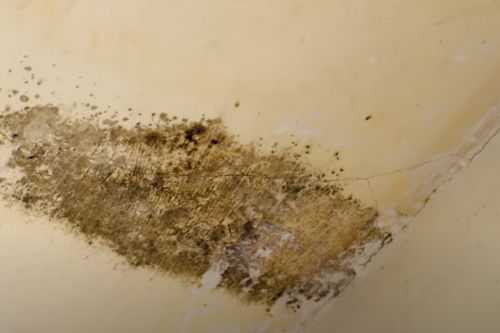
FAQ

For any questions we may be able to answer, discover our FAQ section.

Categories
Damp & Mould Disrepair

Recent Developments In Tackling Damp And Mould In Social Housing

Housing Disrepair Claim Guide

Following the tragic death of two year old Awaab Ishak, whose respiratory condition was exacerbated by damp and mould in his social housing flat, the Regulator of Social Housing (RSH) took formal action against registered social housing providers.

In response, the RSH issued letters reminding providers:

  • Of the serious health risks posed by damp and mould
  • That damp and mould are recognised hazards under the Housing Health and Safety Rating System (HHSRS)
  • That tenant concerns must be listened to and acted upon
  • That systems must be in place to identify and prevent hazardous damp and mould

Information Requested by the Regulator of Social Housing

The largest social housing providers were required to submit detailed information to the RSH by 19 December, including:

  • How damp and mould are measured and assessed, including recent inspection data
  • What remedial action is being taken to address hazards and meet the Decent Homes Standard
  • How individual damp and mould cases are identifiedmanagedand resolved quickly

All submissions had to be supported by robust and relevant data, reinforcing, the Regulator’s focus on accountability.

The Social Housing Report (July 2022)

In October 2022, the House of Commons Levelling Up, Housing and Communities Committee published its First Report of Session 2022-23The Regulation of Social Housing.

The Committee received 628 responses from tenants, covering issues such as:

  • Poor housing conditions
  • Delays in repairs
  • Lack of awareness of the Housing Ombudsman and complaint rights

Members also visited housing association sites and spoke directly with tenants.

Findings on Housing Disrepair and Damp and Mould

The Committee’s findings were stark. Evidence suggessted that some social housing had deteriorated to the point of being unfit for human habitation.

Conditions were described as:

“Horrendous”, “appalling”, “disgraceful”, and “criminal”.

Damp and mould featured heavily in the evidence. One case involved a mother and her two children living in a flat so affected by black mould that mushrooms were growing from the walls. All three developed breathing problems, yet the landlord failed to act for over two years.

Responses From the Regulator and Housing Ombudsman

In response, the Regulator of Social Housing acknowledged that such cases were “wholly unacceptable”, while maintaining they did not reflect the experience of most tenants.

The Regulator also agreed that stigma and discrimination concerns must be taken seriously and announced plans to consult on new consumer standards. These may include:

  • Greater tenant involvement
  • Tenant panels and engagement groups
  • Improved communication between landlords and residents 

The Housing Ombudsman supported recommendations to increase tenant awareness of complaint rights and access to redress.

What This Means for Tenants

While regulatory reform is progressing, change is often slow. Although the government has recently named and shamed several failing landlords, many tenants continue to live in unsafe homes.

The Social Housing (Regulation) Bill is expected to introduce:

  • Stronger enforcement powers
  • A proactive approach to consumer standards
  • Greater accountability for failing landlords

If you are living in a property affected by dampmouldor other disrepair, you do not need to wait for regulatory change to protect your rights.

How NJS Law Can Help With Damp and Mould Claims

NJS Law is one of the few housing disrepair solicitors operating across England and Wales with a dedicated legal team focused on tenant claims.

We can help you by:

  • Instructing a surveyor to asses disrepair and provide expert evidence
  • Legally compelling your council or housing association to carry out repairs
  • Claiming compensation for the time your home has been in disrepair

We act for tenants nationwide on a No Win No Fee basis, ensuring you can pursue your claim without financial risk.

Our experienced and compassionate team will support you at every stage of your Housing Disrepair Claim.

Call NJS Law on 0800 093 3393 today to discuss your case.

Ask NJS Law

For fast, friendly affordable legal advice. Contact a member of our team today.

FAQ

For any questions we may be able to answer, discover our FAQ section.

Categories
Dental Negligence

The NHS Dental Crisis and the Rise in Dental Negligence Claims

Why Are Dental Negligence Claims Rising

Paying for private dental treatment remains an option. However, as the cost of living crisis deepens, private dental care has become a luxury that many people simply cannot afford. As a result, the ongoing shortage of NHS dentists has forced some patients to risk their health by delaying treatment or, in extreme cases, resorting to DIY dental care.

At the same time, the relentless pressure placed on existing dentists may be contributing to a worrying rise in dental negligence claims.

Rising Dental Negligence Claims in the NHS

According to the British Dental Journal, clinical negligence claims against NHS hospitals for dental errors are increasing. Research shows that:

  • Between April 2015 and April 2020, there were 492 dental negligence claims, resulting in £14 million in compensation
  • Almost £4 million was paid to NHS patients for delays in dental treatment£2.4 million was awarded to patients who suffered nerve damage following dental procedures
  • There were 33 cases where surgeons removed the wrong tooth

These stark figures naturally raise important questions. What has caused this increase in negligence claims? And just as importantly, where have all the dentists gone?

The answer to both questions is closely connected. Unless the UK recruits and retains more dentists, cases of misdiagnosis and negligent dental treatment are likely to continue rising.

Why Is There a Shortage of Dentists in England and Wales?

One of the main reasons for the NHS dental shortage is an ageing workforce. Many NHS dentists are aged 55 or over and are approaching retirement. At the same time, it has become increasingly difficult to attract and retain dentists within the NHS.

Instead, many dentists are moving into private practice. According to the British Dental Association (BDA), around 3,000 dentists have left NHS dentistry for the private sector in the last two years. This shift has significantly reduced access to NHS dental care.

Why Are Dentists Leaving the NHS?

The COVID-19 pandemic worsened existing pressures on NHS dentistry. For long periods, many patients did not attend dental appointments. Consequently, dentists are now treating patients with multiple, complex dental problems involving teeth and gums.

As workloads increase, more dentists are experiencing stress and burnout. In March 2022, reports revealed that:

  • 45% of NHS dentists expected to sell their practices within 24 months
  • Almost 50% were considering leaving the profession entirely

If these projections continue, fewer dentists will be left to manage growing demand. Inevitably, this increases the risk of delayed diagnoses and negligent treatment.

Importantly, concerns about NHS dentistry existed long before the pandemic. As early as 2008, the BDA warned MPs that NHS dentistry was unfit for purpose and in urgent need of reform. More than a decade later, little has changed, and the situation has worsened.

What Are the Most Common Examples of Dental Negligence?

In 2019, the Dental Defence Union (DDU) identified the most common dental treatments leading to compensation claims:

  • Tooth extractions
  • Root canal treatments
  • Caries and fillings
  • Periodontal (gum) disease
  • Dental implant treatment

Although the average dentist may face several claims during their career, dental negligence cases are often complex and difficult to prove. For this reason, it is essential to instruct an experienced Dental Negligence Solicitor.

What Should I Do If I Have Received Negligent Dental Treatment?

Negligent dental treatment can cause severe pain, long-term complications, and emotional distress. In addition, damage to your appearance can negatively affect your confidence and mental health.

Dentists owe their patients a duty of care. If your dentist’s negligent acts or omissions have caused you harm, you may be entitled to compensation. This compensation can help cover:

  • The cost of private dental treatment to repair the damage
  • Medical expenses
  • Loss of income if you have needed time off work

Our experienced and compassionate Dental Negligence Solicitors will listen carefully to your experience. If you have a strong case, we will robustly advise and represent you, always acting in your best interests.

CONTACT US

Get in touch using the form below or via the following methods:

Ask NJS Law

For fast, friendly affordable legal advice. Contact a member of our team today.

FAQ

For any questions we may be able to answer, discover our FAQ section.

Categories
Cosmetic Negligence

How to Claim for Cosmetic Negligence

How to Claim for Cosmetic Negligence_Nicholson_Jones_Sutton_Solicitors

If a mistake was made during your cosmetic surgery or aesthetic treatment, you may be entitled to claim compensation for your injuriespainand financial losses.

At NJS Law, our experienced cosmetic negligence solicitors take the time to understand what you are going through. We provide clear, practical advice and are committed to helping you secure the answersaccountabilityand compensation you deserve.

Cosmetic surgery and beauty treatments can be life changing, but they also carry risks. Before committing to any cosmetic procedure, it is essential that you are fully informed, understand your options, and feel confident in the practitioner providing your care.

Asking the right questions before cosmetic surgery can help you make a safer decision and reduce the risk of negligent treatment.

1. How Many Times Has The Surgeon or Therapist Performed This Procedure?

Experience matters. Ask how often the surgeon or therapist has carried out the specific procedure you are considering and how frequently they perform it. A practitioner with extensive experience is more likely to identify risks and manage complications effectively.

2. What Qualifications and Board Certifications Do They Hold?

Always check the practitioner’s qualifications and professional registrations. Surgeons should be appropriately trained and, where relevant, registered with recognised medical or professional bodies. Never assume credentials – ask to see them.

3. Where Will the Surgery or Treatment Take Place?

You should know exactly where your procedure will be carried out. Whether it is a hospital, clinic, private facility, the location should be suitable for the type of treatment being performed.

4. Is the Surgical or Treatment Facility Accredited

Accreditation is an important indicator of safety standards. Ask whether the facility is properly regulated and inspected, and whether it meets required health and safety standards.

5. Have All Risks and Complications Been Explained to Me?

Before performing cosmetic surgery or treatment, the doctor or therapist should clearly explain:

  • Known risks
  • Possible complications
  • Expected recovery times

You should be given this information in a way you can understand, allowing you to give informed consent.

6. Are There Any Alternative Treatments Available?

If there are alternative procedures or non-surgical options available, these should be discussed with you before you commit to the recommended treatment. You should understand the pros and cons of each option.

7. Am I Being Given Enough Time to Decide?

You should never feel pressured into proceeding. You must be given sufficient time to consider the information provided, weigh up the risks, and decide whether to go ahead.

What Is a Cosmetic Surgical Claim?

Doctors, plastic surgeons, beauty therapists, and other cosmetic practitioners have a legal duty of care to ensure your safety and wellbeing while you are in their care.

If a mistake is made during cosmetic surgery or aesthetic treatment and you suffer injury, pain, or financial loss as a result, you may be entitled to bring a cosmetic negligence claim for compensation.

Cosmetic Negligence Examples

Our cosmetic negligence team can assist with claims arising from a wide range of procedures, including:

  • Botox injections
  • Facelifts
  • Breast augmentation surgery
  • Breast reconstruction following mastectomy
  • Breast reduction surgery
  • Liposuction
  • Nasal (rhinoplasty) surgery
  • Chemical peels
  • Eyelid surgery
  • Tummy tuck (abdominoplasty) surgery
  • Laser eye surgery
  • Cosmetic dentistry
  • Brow lifts
  • Ear surgery

How Long After Surgery Can You Make a Claim?

In most cases, you have three years from the date you knew – or ought reasonably to have known – that you suffered injury or loss due to negligent cosmetic treatment.

This time limit can be complex, so it is important to seek legal advice as early as possible.

What Information Is Needed to Make a Cosmetic Negligence Claim?

To assess and progress your claim, we may need the following information:

  • Your past medical history (including GP and hospital records)
  • Details of how your symptoms affect your life now in the future
  • Any medical, therapy, or related expenses you have paid or may need to pay
  • Whether you have already raised concerns with the practitioner
  • Details of the therapist, surgeon, or clinic involved
  • How you paid for the treatment
  • Details of any cosmetic procedures in the last 10 years

How NJS Law Can Help With a Cosmetic Negligence Claim

NJS Law has a dedicated cosmetic negligence team with decades of combined experience handling cosmetic surgery and aesthetic treatment claims.

Our team will take the time to understand what you are going through and guide you through every step of the claims process with care and professionalism.

Contact NJS Law for a Free Cosmetic Negligence Consultation

If you would like to discuss a cosmetic surgery or beauty treatment issue, please get in touch to arrange a freeno obligation consultation.

We are available by phone or email and are here to help you get the answers and compensation you deserve.

Ask NJS Law

For fast, friendly affordable legal advice. Contact a member of our team today.

FAQ

For any questions we may be able to answer, discover our FAQ section.

Categories
Medical Negligence

Delayed Cancer Diagnosis in the UK: Why Timing Matters

Claiming Compensation For A Late Diagnosed Cancer

In the UK, a recent House of Commons Committee Report published in April highlights both progress and persistent shortcomings in cancer diagnosis and treatment.

Over the past 50 years, cancer survival rates have improved significantly. In 1972, only 30% of people were expected to survive cancer for five years or more. By 2011, that figure had risen to 54%. Undoubtedly, this progress reflects advances in medical science and the dedication of NHS professionals.

However, despite these improvements, England continues to lag behind comparable countries. For example, only 58.9% of people diagnosed with colon cancer in England survive for five years or more. By contrast, survival rates stand at 66.8% in Canada and 70.8% in Australia.

The Impact of the Pandemic on Cancer Care

Furthermore, the COVID-19 pandemic placed unprecedented strain on cancer services:

  • During the pandemic, 36,000 fewer people in England and 45,000 fewer people across the UK began cancer treatment compared to previous years.
  • Between March and September 2020, three million fewer people were invited for cancer screening.
  • In addition, between March 2020 and March 2021, 326,000 fewer urgent cancer referrals were made in England, alongside 4.6 million fewer diagnostic tests.

As a result, many cancers were diagnosed later than they should have been, often with devastating consequences.

Why Early Cancer Diagnosis Saves Lives

Crucially, the earlier cancer is diagnosed, the better the chances of survival. According to the Committee Report:

Similarly stark contrasts exist for other cancers:

  • Breast cancer: 98% five-year survival at stage 1 versus 24% at stage 4
  • Prostate cancer: 100% five-year survival at stage 1 versus 40% at stage 4

Clearly, delayed diagnosis can transform a treatable condition into a life-threatening one.

Coping With a Late Cancer Diagnosis

If your cancer was diagnosed late, you may be experiencing fear, anger, or frustration. While many patients understand the immense pressure faced by GPs and hospital doctors during the pandemic, it is equally important to protect your own health and your family’s future.

In these circumstances, compensation can help. For example, it may allow you to:

  • Access private medical treatment
  • Pay for in-home care and support
  • Replace lost income if you are unable to work

How a Medical Negligence Solicitor Can Help

Initially, a medical negligence solicitor will listen carefully to your experience and obtain your full medical records. These records, together with any complaint responses, will then be reviewed in detail.

Next, your solicitor will assess the strength of your case and explain the claims process clearly and realistically. Importantly, medical negligence claims often take between 12 and 36 months to resolve. Therefore, it is essential that you feel comfortable with your solicitor and trust their advice throughout the process.

Will Compensation Affect My Benefits?

If your claim is successful, your solicitor can advise you on setting up a Personal Injury Trust. By placing your compensation into the trust, your entitlement to means-tested benefits can be protected.

How Are Legal Fees Paid?

In most cases, medical negligence solicitors act under a No Win, No Fee agreement, also known as a Conditional Fee Agreement (CFA).

This means:

  • If your claim is unsuccessful, you do not pay legal fees
  • If your claim succeeds, a success fee is deducted from your compensation (usually capped at 25%)

In addition, your solicitor can arrange After The Event (ATE) insurance, which protects you against the other party’s legal costs if the claim does not succeed.

Because solicitors carry most of the financial risk under these agreements, their willingness to act often reflects strong confidence in the merits of your case.

Will I Have to Go to Court?

Fortunately, most delayed cancer diagnosis claims settle out of court. As a result, you are unlikely to face the stress of a full trial. However, if court proceedings do become necessary, your solicitor will support you throughout.

Final Thoughts

A delayed cancer diagnosis can quite literally be a matter of life and death. If negligent care by a GP or consultant caused your diagnosis to occur later than it should have, you may be entitled to compensation. Ultimately, this compensation can help secure vital treatment and provide financial stability for you and your family.

Our team has decades of combined experience advising and representing clients in clinical negligence claims. We are supportive, professional, and committed to guiding you at every stage.

CONTACT US

Get in touch using the form below or via the following methods:

Ask NJS Law

For fast, friendly affordable legal advice. Contact a member of our team today.

FAQ

For any questions we may be able to answer, discover our FAQ section.