
Categories
Dental Negligence

Failed Root Canal Treatment and Dental Negligence

Root canal treatment is a common dental procedure used to save a severely decayed or infected tooth and avoid extraction. In most cases, it is safe and effective. However, when a dentist fails to carry out the procedure to an acceptable standard, root canal treatment can fail due to dental negligence.

In this article, we explain the most common causes of failed root canal treatment and when a dentist may be considered negligent.

Common Causes of Root Canal Treatment Failure

Root canal negligence can occur for several reasons. Most commonly, failure arises from errors made during or after the procedure.

Incomplete Removal of Infected Tissue

During root canal treatment, the dentist must remove all infected or damaged tissue from the pulp chamber and root canals. If infected material is left behind, bacteria can continue to spread. As a result, the tooth may become reinfected, causing ongoing pain and inflammation.

Improper Filling of the Root Canals

Once the canals are cleaned, they must be sealed correctly to prevent bacteria from re-entering. However, if the dentist fills the canals poorly or leaves gaps, bacteria can return. Consequently, this may lead to further infection and treatment failure.

Poorly Fitted Crown

After root canal treatment, dentists usually place a crown over the tooth to protect it. If the crown does not fit properly, gaps can form between the crown and the tooth. Over time, these gaps allow bacteria to enter, increasing the risk of infection and pain.

Symptoms of a Failed Root Canal

When root canal treatment fails due to negligence, patients may experience:

  • Persistent or worsening pain
  • Swelling or infection around the tooth or gums
  • Sensitivity when biting or chewing
  • The need for further treatment or tooth extraction

In severe cases, the tooth may need to be removed entirely, resulting in additional discomfort and unexpected dental costs.

When Is a Dentist Liable for Root Canal Negligence?

A dentist may be held legally responsible if they fail to meet the expected standard of care. Dentists have a duty to act with reasonable care and skill. If they fall below this standard and cause harm, they may be liable for dental negligence.

To succeed in a dental negligence claim, you must show that:

  • The dentist owed you a duty of care
  • They breached that duty
  • Their actions caused you harm
  • You suffered pain, financial loss, or other damage as a result

Compensation may cover corrective dental treatment, medical expenses, lost income, and pain and suffering.

How Dental Negligence Can Affect You

In addition to physical pain, failed root canal treatment can cause emotional distress and anxiety. Furthermore, the financial impact can be significant, especially if you need private dental treatment to correct the damage.

If your dentist’s negligent acts or omissions have caused you harm, you may be entitled to compensation to help you move forward.

How NJS Law Can Help With Your Dental Negligence Claim

NJS Law has a dedicated team with decades of combined experience in handling dental negligence claims. We provide high-quality legal representation exclusively for patients who have received negligent dental treatment.

Because every case is different, we offer tailored advice based on your individual circumstances. Our Dental Negligence Specialists are sympathetic, understanding, and committed to supporting you throughout the claims process.

In many cases, NJS Law can act on your behalf on a No Win No Fee basis.

CONTACT US

Get in touch using the form below or via the following methods:

Ask NJS Law

For fast, friendly affordable legal advice. Contact a member of our team today.
FAQ

For any questions we may be able to answer, discover our FAQ section.

Categories
Cosmetic Negligence

What Can Go Wrong With Liposuction And Tummy Tuck Procedures?

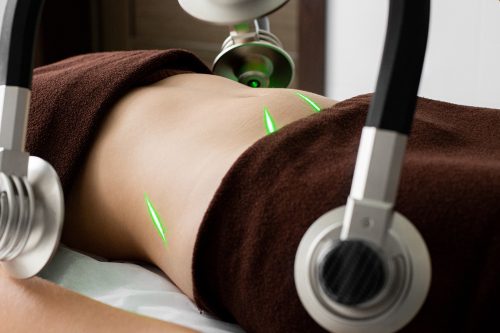
According to the latest annual audit by the British Association of Aesthetic Plastic Surgeons (BAAPS), more than 31,000 cosmetic procedures were carried out in the UK in 2022. These figures included 3,413 tummy tucks (abdominoplasty) and 3,002 liposuction procedures.

Demand for cosmetic surgery continues to rise sharply. In 2022 alone, abdominoplasty procedures increased by 129% compared to 2021, while liposuction procedures rose by 135%.

If you are considering liposuction or a tummy tuck in the coming months, it is vital that you are fully informed. You should understand the risks involved, know how to choose a qualified and experienced cosmetic surgeon, and ensure that high-quality aftercare is available.

In this article, we explain what can go wrong with liposuction and tummy tuck procedures, the key questions you should ask your surgeon, and when you may be entitled to bring a cosmetic surgery negligence claim.

What Can Go Wrong With Liposuction and Tummy Tuck Procedures?

It is normal to experience some side effects following liposuction or a tummy tuck. These may include:

  • Bruising
  • Swelling
  • Discomfort
  • Inflammation
  • Minor scarring

These are expected side effects, not complications.

However, complications caused by medical negligence are vey different and may entitle you to bring a claim.

Signs of Possible Cosmetic Surgery Negligence

You may have grounds for a cosmetic surgery negligence claim if you experience:

  • Constant or worsening pain
  • Fluid build-up around the wound (seroma)
  • Nerve damage
  • A belly button positioned too high or too low

Normal side effects should gradually improve during recovery. If your symptoms worsen or persist beyond the expected recovery period (usually 3-6 weeks), this may indicate negligent treatment.

What Questions Should I Ask a Liposuction or Tummy Tuck Surgeon?

Although liposuction and tummy tucks are common procedures, they are still major surgical operations. You should never feel rushed into making a decision.

We recommend arranging a face-to-face consultations with at least three cosmetic surgeons before proceeding. This allows you to compare experience, approach, and aftercare standards.

1. Will I Meet the Surgeon at My Initial Consultation?

You should always meet the surgeon who will perform your operation. Speaking to them directly allows you to:

  • Ask about their experience
  • Understand how the procedure will be carried out
  • Assess whether you feel comfortable and confident in their care

2. What Are Your Qualifications and Professional Memberships?

Do not assume a surgeon is properly qualified. Always check that they:

  • Are listed on the General Medical Council (GMC) register as a specialist in plastic surgery
  • are a Fellow of the Royal College of Surgeons (FRCS Plast)
  • Belong to professional bodies such as:
    – British Association of Plastic, Reconstructive and Aesthetic Surgeons (BAPRAS)
    – British Association of Aesthetic Plastic Surgeons (BAAPS)

You should also confirm that the anaesthetist involved in your care is GMC-registered.

3. Is Liposuction or a Tummy Tuck Suitable for Me?

Your surgeon should confirm whether the procedure is safe and appropriate based on:

  • Your medical history
  • Your current health
  • Your expectations

They should review your medical records and carry out appropriate checks before recommending surgery.

4. What Are the Risks and How Will Complications Be Managed?

A reputable cosmetic surgeon should be open about:

  • What can go wrong during or after surgery
  • How complications are prevented
  • How problems would be treated if they occur

You should also ask:

  • Who pays for corrective treatment or further surgery?
  • Is insurance in place for serious complications?

5. What Will My Recovery and Aftercare involve?

Make sure you understand:

  • How your pain will be managed
  • Whether physiotherapy is required
  • When you can return home
  • What activities you must avoid and for how long

High-quality aftercare is just as important as the surgery itself.

Can I Bring a Liposuction or Tummy Tuck Negligence Claim?

To bring a cosmetic surgery negligence claim, all three of the following must apply:

1. Were You Owed a Duty of Care?

All healthcare professionals owe patients a legal duty of care. This includes surgeons, nurses, and any medical professional responsible for your treatment.

2. Was That Duty of Care Breached?

You must show that the care provided fell below the standard expected of a reasonably competent cosmetic surgeon.

3. Did The Breach Cause You Harm?

It must be proven that the negligence directly caused your injury or worsened your outcome.

Time Limits for cosmetic Surgery Negligence Claims

Under the Limitation Act 1980, you usually have three years from:

  • The date of the injury, or
  • The date you became aware the injury was caused by negligence

In some cases, the Court may allow claims outside this time limit, so it is important to seek legal advice as soon as possible.

How NJS law Can Help With cosmetic Surgery Negligence Claims

At NJS Law, we have decades of combined experience representing clients in liposuction and tummy tuck negligence claims. We are compassionate, thorough, and committed to achieving the best possible outcome for you.

To assess your claim, we may need:

  • Your GP and hospital medical records
  • Details of how your symptoms affect your daily life
  • Information about medical expenses or future treatment costs
  • Details of any complaints already raised
  • Information about the surgeon or clinic involved
  • How you paid for your treatment
  • Details of any cosmetic procedures in the last 10 years

Speak to a Cosmetic Surgery Negligence Solicitor Today

If you believe you have suffered harm following liposuction or a tummy tuck, our team is here to help.

Call NJS Law on 01625 667166 to discuss your cosmetic surgery negligence claim in confidence.

Ask NJS Law

For fast, friendly affordable legal advice. Contact a member of our team today.

FAQ

For any questions we may be able to answer, discover our FAQ section.

Categories
Medical Negligence

Medical Negligence Causing Death – Your Legal Rights

Despite significant advances in medical care and the dedication of healthcare professionals, mistakes can still occur. Unfortunately, in the most tragic circumstances, medical negligence can lead to death. When this happens, the emotional impact on families is devastating. Moreover, fear and uncertainty often intensify grief—particularly during the current cost of living crisis.

If the deceased was the main earner, families may immediately worry about their financial future. Even where life insurance exists, it may not be sufficient to cover long-term needs. At the same time, relatives are often left struggling with anger and distress, especially if their loved one endured unnecessary pain or suffering due to negligent treatment or a delayed or missed diagnosis.

Although nothing can undo the loss of a loved one, a wrongful death claim arising from medical negligence can help families in meaningful ways.

How a Wrongful Death Claim Can Help

While compensation cannot replace a life, bringing a medical negligence claim can:

  • Provide financial security for dependent family members, helping to ease immediate and long-term financial pressures
  • Trigger accountability, as claims often lead to investigations into the cause of death
  • Promote safer care, by highlighting failures and helping prevent similar mistakes in the future

Importantly, although most claims resolve without court proceedings, the process allows families to seek answers and a sense of justice.

Examples of Medical Negligence Leading to Death

Medical negligence can result in death in a number of ways. Common examples include:

  • Failure to diagnose or misdiagnosis of serious conditions, such as cancer, where delayed treatment removes the chance of effective care
  • Failure to admit a patient to hospital when urgently required, for example in cases involving heart attacks, brain haemorrhages, or pulmonary embolisms
  • Surgical errors, where mistakes during an operation prove fatal
  • Medication errors, including incorrect drugs or unsafe dosages

In many of these cases, the patient suffers avoidable pain, distress, and loss of dignity before death.

How Are Wrongful Death Medical Negligence Claims Structured?

Claims arising from death due to medical negligence usually have two distinct elements:

  1. The estate’s claim for the pain and suffering experienced by the deceased before death
  2. The family’s claim for the financial consequences of losing their loved one

Each element is assessed separately but forms part of the overall claim.

Estate Claims for Pain and Suffering

A patient’s right to claim compensation does not end at death. Instead, the claim passes to their estate.

  • The Executor of the estate can bring a claim for the pain and suffering endured prior to death
  • If the claim succeeds, any compensation awarded becomes part of the estate and is distributed to beneficiaries

If the deceased died without a will (known as intestate), a family member can apply for a Grant of Letters of Administration. Once granted, the Administrator can pursue the medical negligence claim on behalf of the estate.

Claims for Financial Loss by the Family

Under the Limitation Act 1980, medical negligence claims must usually be brought within three years of the date the Claimant first became aware that negligence may have occurred.

In wrongful death cases, the Claimant is typically the Executor, Administrator, or a qualifying family member. Because these claims are legally complex and evidence-heavy, it is essential to seek advice as soon as possible. Most wrongful death claims take two to three years to resolve.

How Is Medical Negligence Causing Death Proven?

To succeed, the Claimant must prove—on the balance of probabilities—that the healthcare provider:

  1. Owed a duty of care to the deceased
  2. Breached that duty
  3. Caused the death, and that the outcome was a foreseeable consequence of the breach

An experienced Medical Negligence Solicitor will manage this process carefully and sensitively. They will gather and analyse evidence, which may include:

  • Medical recordsWitness statements
  • Independent medical expert reports
  • Coroner’s findings and inquest conclusions
  • Post-mortem or autopsy reports (where applicable)

This list is not exhaustive, and each case is assessed individually.

Support During Inquests

Inquests can feel overwhelming for bereaved families. However, you do not have to face them alone. Your solicitor can represent you directly or instruct a specialist Barrister to ensure your interests are properly protected and your questions are answered.

Final Thoughts

Death caused by medical negligence is a catastrophic and life-altering event. We understand the depth of your loss and the uncertainty you may be facing. Our role is to support you with compassion, clarity, and determination, while pursuing the compensation you need and holding negligent providers to account.

Our team has decades of combined experience in successfully advising and representing families in clinical negligence and wrongful death claims. We are here to support you every step of the way.

CONTACT US

Get in touch using the form below or via the following methods:

Ask NJS Law

For fast, friendly affordable legal advice. Contact a member of our team today.

FAQ

For any questions we may be able to answer, discover our FAQ section.

Categories
Serious Injury

£1.9 Million Settlement Secured After Catastrophic Motorcycle Accident

In February 2023, Karen Bannister, a Personal Injury Lawyer at NJS Law, successfully secured a £1.9 million settlement for a client who suffered a below-knee amputation following a serious motorcycle accident.

Karen specialises in complex and catastrophic personal injury claims. For this case, she instructed Chris Barnes KC and David McCormick, both of whom played a crucial role in achieving a highly positive outcome for the client.

A Few Seconds Changed a Young Man’s Life Forever

In September 2020, Karen’s client, who has chosen to remain anonymous, was riding his motorcycle past a stationary bus. At the same time, the Defendant pulled out of a junction in a car. Unfortunately, the bus likely obstructed the Defendant’s view.

As a result, the motorcycle collided with the car, causing severe injuries to the rider’s leg. Although surgeons initially attempted to save the limb, the damage proved too extensive. After six months of treatment, doctors had no option but to perform a below-knee amputation.

The Devastating Impact of the Accident

The consequences of the accident extended far beyond physical injury. Unsurprisingly, the emotional and financial strain placed immense pressure on the client’s personal life.

As a result:

  • His relationship with the mother of his children broke down
  • He was forced to move into a small, unsuitable basement flat
  • His children could no longer stay with him overnight
  • He became unable to work and may never return to his chosen profession

In addition, the Defendant strongly disputed both primary liability and contributory negligence, which significantly increased the complexity of the claim.

Negotiating a Fair Settlement

Despite the challenges, the NJS Law team took swift and strategic action. Karen, alongside Chris Barnes KC and David McCormick, met with the Defendant’s insurer to discuss rehabilitation and interim payments under the Rehabilitation Code 2015.

Initially, the insurer offered £1 million to settle the claim. However, after carefully reviewing the offer and taking instructions from the client, the legal team rejected it and continued negotiations.

Thanks to their extensive experience in quantifying catastrophic injury claims, counsel advised that the claim’s full value could reach £4.5 million if liability was established in full. This insight placed NJS Law in a strong negotiating position.

Following detailed discussions and several counter-offers, the parties ultimately agreed on a £1.9 million settlement.

Securing the Client’s Future

The compensation will allow the client to:

  • Access private rehabilitation services
  • Obtain a high-quality prosthetic limb
  • Purchase a suitable home for himself and his children

Most importantly, the settlement provides long-term financial security and the opportunity to rebuild his life.

Solicitor Commentary

Commenting on the case, Karen Bannister said:

Amputation cases are often more straightforward when it comes to valuing compensation. The barristers I instructed had extensive experience in amputee claims and were able to assess the claim’s true value with confidence. This put us in a strong negotiating position. Everyone involved was delighted with the outcome, as the settlement will allow this young man to move forward positively.

How NJS Law Can Help You

At NJS Law, our Serious Injury Team has decades of combined experience representing clients in catastrophic injury and amputation claims. We understand how life-changing these injuries are, and we are committed to supporting you every step of the way.

CONTACT US

Get in touch using the form below or via the following methods:

Ask NJS Law

For fast, friendly affordable legal advice. Contact a member of our team today.

FAQ

For any questions we may be able to answer, discover our FAQ section.

Categories
Inheritance Disputes

My Step-Parent Has Changed Their Mirror Will – Can I Still Inherit?

One of the most bitter and increasingly frequent Wills disputes cases we are currently seeing is that where the children of a deceased parent seek our advice after suspecting their step-parent has changed the Will they created whilst their parent was alive and disinherited them in favour of their (the step-parent’s) own biological children. Take the following example:

Julia and Tim are the biological children of Donald and Evelyn. Donald divorced Evelyn 15 years before he died and two years later married Gwynn. Gwynn has two children from her first marriage, James and Katie.

Donald and Gwynn made Mirror Wills (explained below). When Donald died, he and Gwynn owned a property valued at £1.5 million as joint tenants. Other than sentimental items, the couple had no other significant assets.

When Donald died, the family home automatically passed to Gwynn in full, as she and Donald owned the property as joint tenants. As the value of Donald’s estate was less than £5,000, there was no requirement to seek Probate. Julia and Tim, who had a good relationship with their stepmother, assumed that they, along with James and Katie, would receive a quarter of the family home’s value under Gwynn’s Will.

Unbeknown to Julia and Tim, Gwynn tore up her copy of the Mirror Will shortly after Donald’s death and wrote a new Will, leaving the family home’s entire value to James and Katie. Julia and Tim would, therefore, not receive a penny of their father’s wealth.

Below we set out the options for Julie and Tim: a claim under the Inheritance Act 1975 and the doctrine of proprietary estoppel. But first, it is essential to clarify what a Mirror Will is.

What is a Mirror Will?

Mirror Wills are virtually identical Wills where one person in a couple leaves their estate to the other in the event of their death. In most cases, both Wills set out that one spouse will leave everything to their husband or wife and eventually, any children named in the Mirror Wills can inherit. The result is that when one spouse dies, the other is protected, and upon the second spouse’s death, the children inherit the couple’s assets.

The problem with Mirror Wills is that the surviving spouse can revoke it and write a new Will leaving their estate to beneficiaries of their choice, typically their biological children.

Can I challenge my Stepparent’s new Will?

One of the most essential qualities of a Solicitor is honesty, and the sad fact is that under English law, the options for challenging the new Will of a stepparent are limited. In most cases, if there is a Mirror Will, the surviving spouse can do what they please with the assets, including changing their Will. Hence, all the wealth passes to their biological children, cutting out the children of the deceased’s first marriage.

You may be able to challenge your stepparent’s new Will under the Inheritance (Provision for Family and Dependants) Act 1975 (Inheritance Act 1975). Any claims under the Act must be made within six months of Probate or Letters of Administration being granted. As this is a tight timeframe, contacting a Contentious Probate Solicitor is crucial as soon as you discover that your step-parent has changed their Will.


Can I bring a claim in proprietary estoppel?

Yes, and if specific promises were made to you by your biological parent, this may be the route that has the most chance of success.

Let’s use the above example of Julia and Tim to explain proprietary estoppel, as it can seem complex initially.

If either Julia or Tim can show there was a representation or assurance made to them concerning an interest in the family home and they reasonably relied on that representation to their detriment, they may have a proprietary estoppel claim. Julia and/or Tim must prove on the balance of probabilities that it would be unconscionable for the person who made the assurance or representation to go back on their word and deprive them of the proprietary interest they had been led to expect.

In Macdonald v Frost [2009] EWHC 2276 (Ch), Geraldine Andrews QC (sitting as a Judge in the High Court) stated that to qualify for proprietary estoppel, the representation or assurance must be unambiguous, and proof of this would depend enormously on the context of the case. She relied on the House of Lords decision in Thorner v Majors and others [2009] UKHL 18. In this case, Lord Walker of Gestingthorpe (with whom the other Lords agreed) said that, rather than looking for a clear and unequivocal representation or assurance, he believed that to establish a proprietary estoppel claim, the relevant assurances must be “clear enough” in the context in which they were made. His statement confirmed that an express promise was not required and that the Court would analyse the background and context in which the statements were made, albeit sometimes with sceptical scrutiny.

Wrapping up

Challenges involving Mirror Wills that have been revoked have increased substantially due to the rise in the value of property prices and the fact that divorce rates in the UK rose during the 1970s and peaked in the 1990s, leading to more blended/step-families, a situation that remains to this day. Although there is currently nothing concrete in the pipeline, it is likely that given the inherent unfairness of the current laws, which are wholly unfit for purpose given the make-up of modern families, England and Wales may look to pass legislation similar to Scotland’s ‘legal rights’ laws regarding inheritance.

In the meantime, if you have discovered that your step-parent has disinherited you, please talk to our Contentious Probate team. We will advise you honestly on the options available and the chances of you succeeding in a challenge. We can usually work on a No Win, No Fee arrangement.

We are sympathetic, understanding, and are here to help you every step of the way.


Call us on 01625 667 275 or email probate@njslaw.co.uk today to discuss your matter.


CONTACT US TODAY

Use our contact form to message us below, or alternatively if you feel more comfortable, you can call us on

Ask NJS Law

For fast, friendly affordable legal advice. Contact a member of our team today.

FAQ

For any questions we may be able to answer, discover our FAQ section.

Categories
Social Housing Disrepair

Council Breached Health and Safety Duties, Regulator Confirms

The Regulator of Social Housing (RSH) has confirmed that the council breached essential health and safety requirements, placing thousands of tenants at potential risk. Specifically, the investigation found that the council failed to complete a significant number of remedial fire safety works, including more than 4,000 high-risk actions.

In addition, the council did not hold up-to-date electrical safety reports for thousands of properties. As a result, many tenants were left living in unsafe conditions for prolonged periods.

Serious Hazards and Substandard Homes Identified

During its investigation, the regulator also discovered widespread housing disrepair issues. Notably, more than 100 council homes contained serious hazards, known as category one hazards. Furthermore, almost 5,000 properties failed to meet the Decent Homes Standard, highlighting systemic failures in property maintenance.

Kate Dodsworth, Director of Consumer Regulation at RSH, commented on the findings:

Haringey Council put thousands of tenants at potential risk by failing to meet health and safety requirements for fire and electrical safety. Our investigation has also revealed that a significant number of Haringey Council homes do not meet the Decent Homes Standard.

How NJS Law Can Help if You Are Living in Disrepair

If you are living in a council or housing association property affected by disrepair, legal support can make a real difference. NJS Law are among the few specialist housing disrepair solicitors across England and Wales with a dedicated team focused on protecting tenants’ rights.

Importantly, we do not just push for repairs. We work to ensure your home is restored to a safe, liveable standard.

How We Support Housing Disrepair Claims

We can help you by:

  • Instructing an independent surveyor to assess the disrepair and prepare a detailed report
  • Taking legal action, where necessary, to compel your council or housing association to complete all outstanding repairs
  • Claiming compensation for the time you have lived in unsafe or unsuitable conditions

At NJS Law, we are experts in housing disrepair claims. We act for tenants nationwide on a No Win No Fee basis, helping to secure urgent repairs and recover compensation for delays and distress.

Speak to Our Housing Disrepair Specialists

Our team has decades of combined experience handling housing disrepair claims against councils and housing associations. Above all, we are sympathetic, understanding, and committed to supporting you at every stage of your claim.

If your home is unsafe or in poor condition, you do not have to put up with it.

Contact us today to discuss your housing disrepair claim.

*Source: Regulatory Notice published 6 March 2023

FIND OUT IF YOU ARE ELIGIBLE TO CLAIM FOR REPAIRS AND COMPENSATION

Average Compensation - £1,895
We work on a NO WIN NO FEE basis
to get your home put right and to get you compensated!

Ask NJS Law

For fast, friendly affordable legal advice. Contact a member of our team today.

FAQ

For any questions we may be able to answer, discover our FAQ section.

Categories
Social Housing Disrepair

The Reality of Housing Disrepair in Social Housing

The last Clarion tenant’s story evidences the social housing crisis in UK

Mould and damp spreading across walls, exterior doors that will not lock, exposed electrical wiring, rat droppings throughout the home, and toilet bowls encrusted with faeces. These are just some of the daily challenges faced by a mother of three living in social housing.*

Sadly, disrepair, neglect, and humiliation have become a harsh reality for many tenants across the UK. Poor housing conditions continue to damage tenants’ health, wellbeing, and quality of life, often leaving families feeling unsafe in their own homes.

Delays, Poor Repairs, and Growing Frustration

In many cases, tenants wait months—or even years—for essential repairs. Even when repairs are eventually carried out, they are frequently completed to a poor standard. As a result, problems often return, leaving residents trapped in a cycle of disrepair.

Although housing associations have publicly promised to improve conditions, many tenants remain sceptical. Experience has shown that meaningful change is slow, and in some cases, entirely absent.

This concern is shared by politicians across party lines. At the offices of this mother’s MP, Stephen Hammond, staff reportedly deal with complaints involving Clarion Housing on a daily basis. Similarly, in a neighbouring constituency, Labour MP Siobhain McDonagh stated in 2021 that Clarion-related issues accounted for almost half of her casework.

Alarmingly, little appears to have changed. As one MP recently told The Guardian:

I don’t think that their tenants and leaseholders will have seen any improvement.

How NJS Law Can Help with Housing Disrepair Claims

If you are living in unsafe or unacceptable conditions, you do not have to tolerate it. NJS Law is one of the few specialist housing disrepair solicitors across England and Wales with a dedicated legal team focused on protecting tenants’ rights.

Importantly, our goal is not only to force repairs but to ensure your home is restored to a standard that is safe, secure, and fit to live in.

How We Support Tenants

We can help you by:

  • Instructing an independent surveyor to assess the disrepair and prepare a detailed report
  • Taking legal action, where necessary, to ensure your housing association or council completes all required repairs
  • Claiming compensation for the time you have lived in disrepair

At NJS Law, we are housing disrepair claim experts. We act for tenants nationwide on a No Win No Fee basis, helping to secure urgent repairs and recover compensation for prolonged delays.

Speak to Our Housing Disrepair Specialists Today

Our team has decades of combined experience handling housing disrepair claims against councils and housing associations. Above all, we are sympathetic, understanding, and committed to supporting you every step of the way.

If your home is unsafe or affecting your health, help is available.

Contact us today to discuss your housing disrepair claim.

*Source: The Guardian

FIND OUT IF YOU ARE ELIGIBLE TO CLAIM FOR REPAIRS AND COMPENSATION

Average Compensation - £1,895
We work on a NO WIN NO FEE basis
to get your home put right and to get you compensated!

Ask NJS

For fast, friendly affordable legal advice. Contact a member of our team today.

FAQ

For any questions we may be able to answer, discover our FAQ section.

Categories
Contentious Probate

Widow Wins High Court Claim After Being Excluded From £1m Estate

A spouse widow who has been left out of her deceased husband Will wins half of £1m estate

The Scale of the Housing Disrepair Problem

A widow whose husband of 66 years excluded her and their four daughters from his Will, leaving his entire estate to their two sons, has successfully won a High Court claim for a substantial share of an estate valued at more than £1 million.

The case was heard in the Family Division of the High Court in London and concluded earlier this month.

Background to the Case

During proceedings, the court heard that the deceased, who died in 2021, drafted his Will in 2005 with the intention of leaving his estate “solely down the male line.” Despite being married since 1955, he made no financial provision for his wife or daughters.

While the widow estimated the estate’s gross value at approximately £1.9 million, one of her sons placed its value closer to £1.2 million. Regardless of the precise figure, the estate was substantial.

The judge also noted that the family had previously operated a successful clothing business, further highlighting the financial imbalance created by the Will.

The Court’s Decision

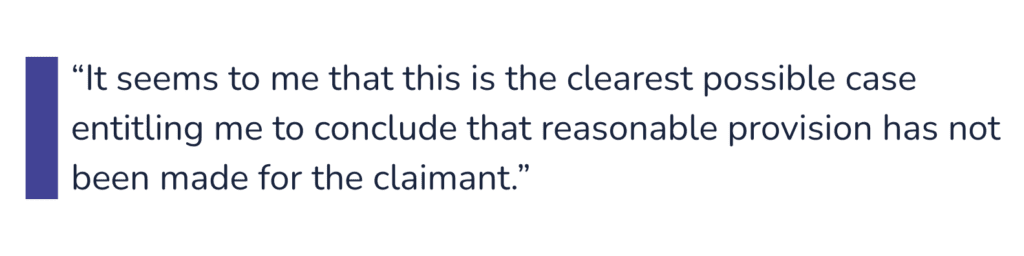
Ultimately, the judge ruled that the widow, now aged 83, should receive 50% of the net value of the estate.

In reaching this conclusion, the court found that the widow’s income consisted primarily of state benefits totalling around £12,000 per year. As a result, the judge determined that the Will failed to make reasonable financial provision for her.

He stated:

How Was the Will Challenged?

There are several legal routes available to challenge a Will. In this case, the widow relied on the Inheritance (Provision for Family and Dependants) Act 1975.

This legislation exists to protect individuals who have been unfairly excluded from an estate or left without reasonable financial provision.

What Is the Inheritance Act 1975?

The Inheritance Act 1975 allows eligible individuals to claim reasonable financial provision from an estate where the Testator failed to provide adequately under their Will.

In this case, the widow was entirely excluded from her husband’s Will. Consequently, she fell squarely within the category of claimants protected by the Act and was entitled to pursue a claim.

Who Can Make a Claim Under the Inheritance Act?

In addition to spouses, the following individuals may bring a claim under the Inheritance Act 1975:

  • A spouse or civil partner of the deceased
  • A former spouse or civil partner, provided they have not remarried or entered a new civil partnership (although divorce settlements often prevent claims)
  • A person who lived with the deceased in a cohabiting relationship for at least two years before death
  • A step-child or person treated as a child of the family
  • Any individual who was financially maintained by the deceased immediately before their death

Strict Time Limits Apply

Importantly, claimants must usually bring an Inheritance Act claim within six months of the Grant of Probate being issued.

Although the court does retain discretion to allow claims outside this period, such extensions are rare. Therefore, anyone considering a claim should seek legal advice as early as possible.

Key Takeaway: Spouses Cannot Simply Be Disinherited

This case clearly demonstrates that individuals, particularly long-term spouses who have contributed over many years, cannot simply be written out of a Will without consequence.

Where a Will fails to make reasonable financial provision, the courts are prepared to intervene and correct the imbalance.

How We Can Help

Our team has decades of combined experience advising and representing clients who are challenging a Will or making a claim under the Inheritance Act 1975.

We provide clear, practical advice and approach every case with sensitivity, professionalism, and determination.

CONTACT US TODAY

Use our contact form to message us below, or alternatively if you feel more comfortable, you can call us on

Ask NJS Law

For fast, friendly affordable legal advice. Contact a member of our team today.

FAQ

For any questions we may be able to answer, discover our FAQ section.

Categories
Serious Injury

Catastrophic Personal Injury Claims – A Practical Guide

How To Bring A Catastrophic Personal Injury Claim

If you or a loved one has suffered a catastrophic personal injury caused by the negligence of another person, business, or public body, expert legal support is essential. At this stage, choosing the right Personal Injury Solicitor can make a significant difference to both your recovery and your future security.

Because catastrophic personal injury claims can take up to three years to resolve, it is vital to work with a solicitor who not only understands complex legal issues but also prioritises early access to rehabilitation. Equally important, you should feel confident that your solicitor genuinely cares about helping people whose lives have changed forever.

What Is a Catastrophic Personal Injury?

A catastrophic personal injury is one that causes permanent or life-altering damage. In most cases, a full recovery is not possible.

These injuries typically include:

  • Traumatic brain injuries
  • Spinal cord injuries
  • Major burns
  • Amputations

As a result, compensation from a catastrophic injury claim often supports long-term needs. For example, it can fund home adaptations, full-time care, and ongoing medical treatment. Moreover, it can provide financial security for the injured person and their family, particularly if the claimant was the main household earner.

How Do I Begin a Catastrophic Personal Injury Claim?

In many situations, the injured person is unable to begin the claim themselves. Therefore, a close family member often contacts a Personal Injury Solicitor on their behalf.

At the outset, the solicitor will gather as much information as possible about the accident and the injuries sustained. However, especially in cases involving brain injuries, it is often too early to determine the full long-term prognosis. For this reason, early legal advice focuses on protection, rehabilitation, and financial support rather than final compensation figures.

What Steps Does a Solicitor Take During a Catastrophic Injury Claim?

From the beginning, your solicitor’s priority is to secure early support for your recovery. In particular, they will aim to:

  • Obtain an interim payment from the Defendant’s insurer
  • Appoint a case manager to coordinate rehabilitation

These steps allow a structured rehabilitation programme to begin as soon as possible. To achieve this, solicitors rely on the Rehabilitation Code 2015, which encourages cooperation between both parties to restore the claimant’s health, independence, and quality of life while the claim progresses.

Depending on the severity of the injuries, multiple interim payments may be required. Therefore, an experienced Catastrophic Personal Injury Solicitor will negotiate ongoing funding to ensure access to the rehabilitation services you need.

At the same time, your solicitor will follow the Pre-Action Protocol for Personal Injury Claims. This process promotes early information exchange, encourages settlement without court proceedings where possible, and ensures rehabilitation remains a priority throughout the claim.

How Is Negligence Proven in a Catastrophic Injury Claim?

To succeed in a catastrophic personal injury claim, the claimant must prove, on the balance of probabilities, that:

  • The Defendant owed a duty of care
  • The Defendant breached that duty
  • The breach caused the injury and resulting damage

Although this test appears straightforward, complications often arise. For example, disputes may occur over foreseeability or causation. Consequently, your solicitor will examine medical records, investigate the accident scene, and instruct expert witnesses to assess how the injury occurred and its long-term impact.

What Happens After Compensation Is Awarded?

Importantly, your solicitor’s role does not end once compensation is secured. In cases involving lifelong care, housing adaptations, or substantial financial awards, additional safeguards are essential.

Therefore, your solicitor will usually refer you to a Court of Protection Solicitor. They can help place your compensation into a Personal Injury Trust, which protects your funds while allowing you to continue receiving any means-tested benefits you are entitled to. This approach ensures your compensation supports your welfare both now and in the future.

Final Thoughts

Catastrophic personal injury claims are complex and emotionally demanding. As a result, you need a solicitor who combines legal expertise with compassion and determination. With the right support in place, you can focus on your recovery while your legal team fights to secure the rehabilitation and compensation you deserve.

At NJS Law, our Serious Injury Team has decades of combined experience representing clients in catastrophic personal injury claims. We are sympathetic, understanding, and committed to supporting you at every stage of the process.

CONTACT US

Get in touch using the form below or via the following methods:

Ask NJS Law

For fast, friendly affordable legal advice. Contact a member of our team today.

FAQ

For any questions we may be able to answer, discover our FAQ section.