

Categories
Public Liability

Which UK Councils Are Paying The Biggest Injury Compensations?

October 2023

Recent data* has revealed the 10 local councils in England and Wales most affected by personal injury compensation claims – highlighting the real cost of accidents in public places.*

The majority of these claims stem from slipstripsand falls, pothole accidents, falling objects, and injuries caused by poorly maintained public spacespavementsand equipment.

These figures demonstrate the importance of councils meeting their legal duty of care to keep the public safe.

Councils Paying the Most in Personal Injury Claims (2022-2023)

According to the data, Liverpool City Council recorded the highest personal injury payouts, paying over £1.7 million between April 2022 and April 2023.

Close behind were Essex County Council and Hampshire County Council, both of which paid out more than £1.2 million in compensation during the same period.

Top 10 Councils for Personal Injury Compensation Payouts

  1. Liverpool City Council – 311 claims – £1,743,423.43
  2. Essex County Council – 440 claims – £1,286,745.92
  3. Hampshire County Council – 217 claims – £1,256,506.82
  4. Camden Council – 92 claims – £1,108,472.57
  5. Manchester City Council – 341 claims – £1,081,522.00
  6. Birmingham City Council – 283 – £806,004.00
  7. Bury Council – 82 claims – £735,000.00
  8. Rochdale Metropolitan Borough Council – 104 claims – £719,454.46
  9. Southampton City Council – 49 claims – £494,970.00
  10. Sheffield City Council – 79 claims – £481,351.32

Why Are Councils Liable for Personal Injury Claims?

Local councils and authorities are government bodies responsible for maintaining public services and spaces, including:

  • Roads and pavements
  • Parks and public walkways
  • Schools and leisure facilities
  • Public transport infrastructure

They are legally required to ensure these environments are safe for public use.

Council Duty of Care Explained

Under the Highways Act 1980, councils are responsible for maintaining pavements and public highways in a reasonably safe condition for pedestrians.

To meet this duty of care, councils must:

  • Carry out regular safety inspections
  • Repair hazards such as potholes and uneven paving
  • Address risks from falling objects or unsafe structures
  • Provide clear warnings where immediate repairs are not possible

Failure to do so can result in council negligence claims when someone is injured.

Can You Claim Compensation Against a Council?

If you were injured due to local authority negligence, you may be entitled to claim compensation for:

  • Pain and suffering
  • Medical treatment and rehabilitation
  • Loss of earnings
  • Travel and care expenses
  • Future financial losses

Claims can arise from accidents such as slipstripsfallsor pothole injuries on council maintained land or roads.

Council Injury Claims - How NJS Law Can Help

If you’ve suffered injuries in an accident that wasn’t your fault, NJS Law can help you pursue the compensation you deserve.

Our experienced personal injury solicitors provide:

  • Clear, honest legal advice
  • Supportive, sympathetic guidance
  • No winno fee representation
  • Proven experience in council and local authority claims

We make the claims process as straightforward and stress-free as possible, so you can focus on your recovery.

Speak to a Personal Injury Specialist Today

If you would like to discuss a potential claim, contact NJS Law today for a freeno obligation consultation.

  • Available by phone or email
  • No win, no fee
  • On your side from start to finish

*Source: LegalExpert

CONTACT US

Get in touch using the form below or via the following methods:

Ask NJS Law

For fast, friendly affordable legal advice. Contact a member of our team today.
FAQ

For any questions we may be able to answer, discover our FAQ section.

Categories
Dental Negligence

What Are The Different Types Of Dental Negligence

What Are The Different Types Of Dental Negligence

October 2023

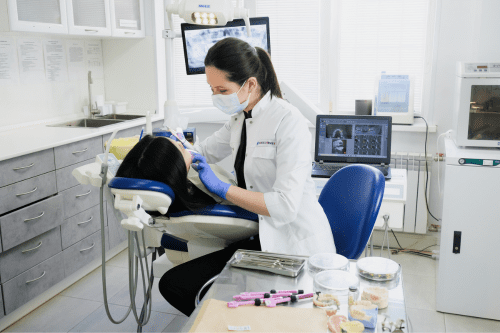
Dental care is an integral part of maintaining overall health and well-being. However, it is safe to say that at present, dental care in England is far from satisfactory.


In 2022, the BBC reported that nine out of ten NHS dental practices across the UK are not accepting new adult patients for treatment and eight out of ten were not adding any more children onto their books.


Labour has promised an extra 700,000 extra dentist appointments and supervised toothbrushing at schools if it is elected in 2024/25. But currently, dentists are under extraordinary pressure, and this can lead to negligent care and mistakes being made.


In this article, we discuss the various types of dental negligence and how you may be able to claim compensation if you are the victim of negligent dental treatment.

The most common types of dental negligence include:

Misdiagnosis and Delayed Diagnosis

Dentists are responsible for identifying and treating oral health issues promptly and accurately. When they fail to do so, patients may suffer unnecessary pain and complications, or in the case of failure to diagnose serious conditions such as oral cancer, even death.

Misdiagnosis can lead to incorrect treatments, unnecessary procedures, or a failure to address a problem entirely. Delayed diagnosis, on the other hand, can allow conditions to worsen, potentially leading to more invasive and costly treatment or even permanent damage. For example, in September 2023, a woman was awarded £9,250 after her dentist failed to diagnose periodontal (gum) disease (more on this below). It became so severe that it caused her considerable mental distress as well as discomfort and inconvenience.


Inadequate Treatment Planning

Proper treatment planning is crucial in ensuring that dental procedures are executed effectively and safely. Dental negligence can occur when dentists fail to create thorough and appropriate treatment plans for their patients. This may involve overlooking key factors such as a patient’s medical history, allergies, or pre-existing conditions. Inadequate treatment planning can result in complications during procedures, adverse reactions to medications, and other preventable issues.


Surgical Errors

Surgical procedures in dentistry can range from routine tooth extractions to more complex operations like dental implants and root canals. Dental negligence can manifest in the form of surgical errors, including but not limited to:

  • Nerve damage during extractions or implant placements
  • Inadequate anaesthesia leading to patient discomfort or pain during the procedure.
  • Accidental perforation of the sinus or other adjacent structures.
  • Infections due to improper sterilisation procedures.

Surgical errors can lead to prolonged recovery periods, severe pain, and, in some cases, irreversible damage.


Inadequate hygiene practices

Maintaining strict infection control procedures is vital in a dental setting to prevent the spread of diseases. Negligence in this area can lead to the transmission of infections between patients. Violations may include improper sterilisation of instruments, inadequate hand hygiene, or improper disposal of contaminated materials.


Lack of Informed Consent

Patients have the right to make informed decisions about their dental treatment. Failure to obtain proper informed consent can amount to negligence. Examples include:

  • Not explaining treatment options thoroughly,
  • Failing to highlight potential risks of the treatment being considered, and
  • Being unclear about expected outcomes.


Without informed consent, patients may undergo procedures without fully understanding the consequences or alternatives.


Substandard Cosmetic Restorations and Prosthetics

It is not for nothing that celebrities spend thousands on their smiles. Teeth play a crucial role in our appearance and oral health. Negligent care and treatment involving fillings, crowns, veneers, and bridges can result in:

  • Improper bite alignment.
  • Loose or ill-fitting prosthetics.
  • Infection.
  • Teeth dying or rotting.
  • Extreme pain and discomfort.

Failure to Refer to Specialists

In complex cases, dentists may need to refer patients to specialists such as oral surgeons, orthodontists, or periodontists (who specialise in treating gum disease). Dental negligence may occur when a dentist fails to recognise the need for a specialist referral, leading to inadequate treatment and worsening of the patient’s condition.


Gingivitis (gum disease) is a condition that can be missed by dentists. This can lead to inflammation spreading to ligaments and bones that hold your teeth in place. This is a type of gum disease called periodontitis, which left untreated can lead to serious illness and tooth loss.


Record Keeping and Communication Errors

Accurate record-keeping and communication are vital in ensuring a patient’s history and treatment plan are well-documented and conveyed to relevant healthcare professionals. Negligence can arise when dental professionals fail to maintain comprehensive records or communicate essential information with colleagues or specialists, potentially leading to mismanagement of care.


How can I sue a dentist in the UK?

If you have received what you believe is negligent dental care, you must contact an experienced Dental Negligence Solicitor immediately. This is because under the Limitation Act 1980, there is a three-year time limit for bringing negligence claims. A Dental Negligence Solicitor will carefully listen to your story and advise you as to whether you have a dental negligence claim.


To succeed in a dental negligence claim, you need to prove, on the balance of probabilities that:

  1. The dental professional owed you a duty of care,
  2. They breached that duty, and
  3. This resulted in you suffering damage.


Your Solicitor is likely to instruct a dental expert witness to provide an opinion as to whether negligent treatment caused your injury. By examining images of your mouth and teeth and your medical records, they may also be able to provide a prognosis. This information will be used to assist the Court in deciding whether your dentist is liable for your injury/s and if so, how much compensation should be awarded.


Wrapping up

Negligent dental care can lead to enormous pain and suffering as well as disfigurement. It can also impact your mental health. With the shortage of NHS dentists, claiming dental negligence compensation may provide access to the funds you need to pay for private restorative work and rehabilitation.


You do not have to suffer in silence. An experienced Dental Negligence Solicitor will fight for you to get the compensation you need so you can move on with your life.


Our team has decades of combined experience in successfully advising and representing clients in dental negligence claims. We are sympathetic and understanding and are here to help you every step of the way.

If you would like to discuss an issue, please get in touch to arrange a free no obligation consultation. We’re available by email or phone.

Ask NJS Law

For fast, friendly affordable legal advice. Contact a member of our team today.

FAQ

For any questions we may be able to answer, discover our FAQ section.

Categories
Occupier Liability

What Should I Do After a Slip and Fall Accident?

October 2023

A slip and fall accident can happen unexpectedly, leaving you with injuries and a sense of confusion about what to do next. Whenever it occurs, it’s essential to take specific steps to protect your health, well-being, and legal rights.

Prioritize Your Health:

The first and most critical step is to ensure your immediate well-being:

  • Seek Medical Attention: Even if your injuries seem minor, it’s vital to consult a healthcare professional. Some injuries, like internal trauma or head injuries, may not exhibit immediate symptoms but can worsen over time.
  • Follow Medical Advice: Adhere to your doctor’s recommendations for treatment, medication, and follow-up appointments. Document all medical records and bills for future reference.
Report the Incident:

If the slip and fall occurred on someone else’s property or in a public place, report the incident:

  • Notify the Property Owner or Manager: Inform the property owner, manager, or supervisor about the accident as soon as possible. Request that they document the incident and provide you with a copy of the incident report.


Gather Details:

Take note of the names and contact information of the property owner or manager, as well as any employees who witnessed the incident.

Document the Scene:

To build a strong case, collect evidence related to the accident:

  • Take Photographs: Use your phone or camera to capture images of the accident scene, including any hazards or defects that caused the fall, such as wet floors, broken stairs, or uneven surfaces.
  • Preserve Clothing and Shoes: Keep the clothing and shoes you were wearing at the time of the accident. They may serve as evidence in your case.
Collect Witness Information:

If there were witnesses to the fall or the hazardous conditions, obtain their contact information. Witnesses can provide crucial testimony to support your claim if the matter goes to court.

Consult a Personal Injury Solicitor:

If you believe negligence on the part of the property owner or another party contributed to your slip and fall, consider seeking legal advice.

A personal injury solicitor can help you understand your legal rights and whether you have a valid claim for compensation. They can guide you through the legal process and negotiate on your behalf.

If you’ve suffered injures because of an accident that was not your fault, then Nicholson Jones Sutton Solicitors can help you get the compensation you deserve.

Our team of personal injury specialists will provide effective, clear and honest advice, making what may seem like a complicated process easier to cope with, safe in the knowledge that we’re on your side.

Our NJS Law Personal Injury Specialists are sympathetic, understanding, and can help you get the outcome you deserve.

If you would like to discuss an issue, please get in touch to arrange a free no obligation consultation. We’re available by email or phone.

CONTACT US

Get in touch using the form below or via the following methods:

Ask NJS Law

For fast, friendly affordable legal advice. Contact a member of our team today.

FAQ

For any questions we may be able to answer, discover our FAQ section.

Categories
Medical Negligence

What Are The Steps To Claim For Medical Negligence

October 2023

When you or a loved one has suffered harm as a result of medical negligence, understanding your legal rights is essential. Knowing how the claims process works can also help you feel more confident about taking the next steps. This guide explains how to make a medical negligence claim and what to expect at each stage.

Seek Legal Advice Early

First and foremost, you should seek advice from a solicitor who specialises in medical or clinical negligence. An experienced solicitor will assess the merits of your case, explain your legal rights, and guide you through the claims process from the outset.

Establish the Standard of Care

To succeed with a medical negligence claim, you must show that the healthcare provider breached their duty of care. In other words, the treatment you received must have fallen below an acceptable medical standard. Your solicitor will help identify whether this threshold has been met.

Gather Supporting Evidence

Next, your legal team will collect evidence to support your claim. This may include medical records, witness statements, expert medical opinions, and other relevant documentation. Strong evidence is crucial to demonstrating negligence and supporting your case.

Prove Causation

In addition to proving a breach of duty, you must also establish causation. This means showing a direct link between the negligent care and the injury or harm you suffered. Your solicitor will work closely with medical experts to demonstrate that the negligence caused or worsened your condition.

Notify the Healthcare Provider

Before formal court proceedings begin, your solicitor will usually send a Letter of Notification to the healthcare provider or organisation involved. This letter sets out the allegations and gives the provider an opportunity to investigate and respond.

Consider Medical Negligence Mediation

In some cases, mediation may offer a quicker and less stressful way to resolve the dispute. Mediation involves an independent third party who helps both sides reach a mutually acceptable settlement without going to court.

Issue Court Proceedings if Necessary

If mediation is unsuccessful or inappropriate, your solicitor will issue court proceedings on your behalf. At this stage, the healthcare provider will formally respond to the claim.

Obtain Expert Witness Evidence

Medical negligence claims often rely on expert witness testimony. Independent medical professionals provide opinions on whether the standard of care was breached and whether that breach caused the injury. Your solicitor will instruct suitable experts to strengthen your case.

Negotiate a Settlement

Throughout the process, there may be opportunities to negotiate a settlement. Many medical negligence claims are resolved without a trial. If a fair settlement is reached, the case can conclude sooner and with less stress.

Proceed to Trial if Required

If settlement negotiations fail, the claim will proceed to trial. Both sides will present their evidence, and a judge will decide the outcome based on the facts and expert testimony.

Compensation Outcomes

If your claim is successful, you may receive compensation for medical expenses, loss of earnings, rehabilitation costs, future care needs, and other financial losses resulting from the negligence.

How NJS Law Can Help

Our NJS Law Medical Negligence Specialists are compassionate, understanding, and highly experienced in pursuing medical negligence claims. We are committed to helping you achieve the best possible outcome.

If you would like to discuss your situation, please contact us to arrange a free, no-obligation consultation. We are available by phone or email and are here to support you every step of the way.

CONTACT US

Get in touch using the form below or via the following methods:

Ask NJS Law

For fast, friendly affordable legal advice. Contact a member of our team today.

FAQ

For any questions we may be able to answer, discover our FAQ section.

Categories
Medical Negligence

What Is Medical Negligence?

October 2023

Medical negligence, also known as clinical negligence, occurs when a healthcare professional provides care that falls below an acceptable standard. As a result, the patient suffers harm, injury, or unnecessary complications.

Although most medical treatment is delivered to a high standard, mistakes can and do happen. For this reason, it is important for patients and their families to understand the most common types of medical negligence and how they arise.

This guide explains the main forms of medical negligence and when a compensation claim may be possible.

Common Types of Medical Negligence

Medical negligence can occur at almost any stage of diagnosis or treatment. Below are some of the most frequent examples.

Misdiagnosis or Delayed Diagnosis

One of the most common forms of medical negligence involves errors in diagnosis.

  • Misdiagnosis occurs when a healthcare professional incorrectly identifies a patient’s condition. As a result, the patient may receive inappropriate treatment or no treatment at all.
  • Delayed diagnosis happens when a condition is not identified promptly. Consequently, the illness may progress, reducing treatment options and worsening the outcome.

Both scenarios can lead to avoidable pain, complications, or death.

Surgical Errors

Surgical negligence can have serious and sometimes life-changing consequences. Common examples include:

  • Wrong-site surgery, where an operation is carried out on the wrong part of the body
  • Retained surgical instruments, meaning tools or foreign objects are left inside the patient
  • Anaesthetic errors, such as incorrect dosage or failure to monitor the patient properly

These errors can result in severe injury, prolonged recovery, or further corrective surgery.

Medication Errors

Medication mistakes are another frequent cause of medical negligence claims.

  • Prescription errors occur when the wrong drug or dosage is prescribed
  • Dispensing errors happen when a pharmacy provides incorrect medication or instructions

In either case, patients may suffer adverse reactions, worsening symptoms, or long-term harm.

Birth Injuries

Medical negligence during pregnancy, labour, or delivery can cause serious injuries to both mother and baby. Examples include:

  • Cerebral palsy
  • Shoulder dystocia
  • Erb’s palsy

These injuries often require lifelong care and support, making early legal advice essential.

Failure to Monitor or Act on Deterioration

Healthcare professionals have a duty to monitor patients and respond to changes in their condition. When warning signs are missed or ignored, patients may suffer avoidable harm.

For example, failing to act on abnormal observations or test results can lead to serious complications.

Hospital-Acquired Infections

Patients may develop infections while receiving treatment due to poor hygiene or inadequate infection control measures. In some cases, these infections can be life-threatening, particularly for vulnerable patients.

Psychiatric Negligence

Psychiatric negligence involves substandard care within mental health services. This may include misdiagnosis, inappropriate treatment, or failure to properly assess risk, resulting in harm to the patient.

Nursing Home Negligence

Residents in care homes are entitled to safe and dignified care. However, negligence can occur when residents experience:

  • Poor nutrition or hydration
  • Inadequate supervision
  • Pressure sores or untreated injuries

Such failures can lead to serious deterioration in health and wellbeing.

Radiology and Imaging Errors

Errors in interpreting X-rays, MRIs, CT scans, or other imaging can lead to incorrect or delayed diagnoses. As a result, treatment may be postponed or entirely inappropriate.

Failure to Refer to a Specialist

In some cases, a patient’s condition requires specialist input. When a healthcare provider fails to make a timely referral, diagnosis and treatment may be delayed, causing avoidable harm.

What Should You Do If You Suspect Medical Negligence?

If you believe that you or a loved one has been affected by medical negligence, it is important to seek advice from a solicitor experienced in clinical negligence claims.

A specialist solicitor can:

  • Assess whether negligence occurre
  • Gather medical evidenc
  • Advise on your eligibility for compensation
  • Guide you through the legal process

Understanding the different types of medical negligence is often the first step toward protecting your rights and holding healthcare providers accountable.

How NJS Law Can Help

Our Medical Negligence Specialists at NJS Law are sympathetic, understanding, and highly experienced in handling a wide range of clinical negligence claims.

We offer a free, no-obligation consultation and will provide clear, practical advice tailored to your circumstances.

CONTACT US

Get in touch using the form below or via the following methods:

Ask NJS Law

For fast, friendly affordable legal advice. Contact a member of our team today.

FAQ

For any questions we may be able to answer, discover our FAQ section.