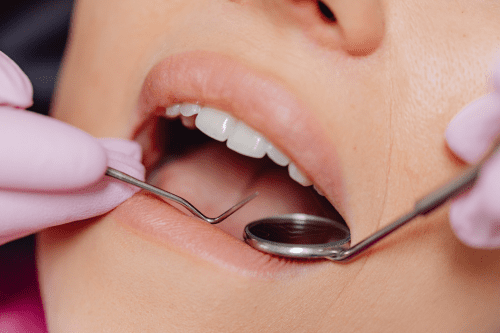
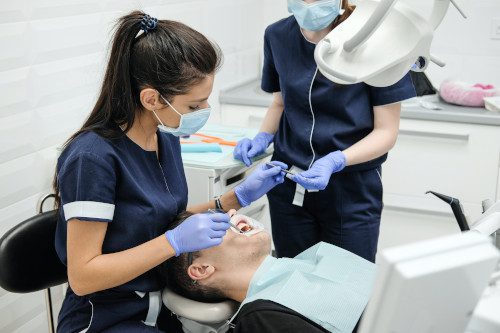
Dental negligence occurs when a dental professional in England or Wales provides treatment that falls below the standard required by the Bolam test, causing harm to the patient. Patients generally have 3 years from the date of treatment — or from when they first became aware of harm — to bring a claim. NJS Law’s specialist solicitors offer a free, no-obligation assessment on a no win, no fee basis.
At NJS Law, we understand that going to the dentist can be a stressful experience. When dental negligence leads to unnecessary pain, injury, or long-term complications, you may have a valid claim for compensation.
We provide expert legal advice and representation for dental negligence claims across England and Wales. Our specialist solicitors have extensive experience securing compensation for clients affected by substandard care from dentists, dental hygienists, and orthodontists.
Trustpilot
Combined Legal Experience
Free Initial Consultation
Regulated & PI Panel Accredited
Support for NHS and private treatment cases
Discover today if you’re eligible to make a claim.
Complete the form below, email or call our dental negligence claims solicitors for free, no-obligation advice.
Dental negligence is when a dental professional provides treatment below the accepted standard, causing injury, pain, or avoidable complications.
This can include:
To make a claim, your case must meet the legal test of:
If you’ve suffered pain, complications, or unexpected outcomes after dental treatment, you may be wondering whether it was just bad luck — or something more. Our free Dental Negligence Guide gives you clear, straightforward answers.
It explains:
Download the free guide below — or if you’re ready to speak to a specialist, contact NJS Law today for a free, no-obligation assessment.
Download our free Dental Negligence Claims Guide
Step-by-step claims process
You can make a dental negligence claim if three legal conditions are met:
1. A duty of care existed Any registered dentist, dental hygienist, orthodontist or dental therapist in the UK owes their patients a duty of care. This applies whether you were treated on the NHS or privately, and whether the treatment took place in a dental practice, a hospital, or a cosmetic clinic.
2. That duty was breached The treatment must have fallen below the standard a reasonable body of dental professionals would consider acceptable — known as the Bolam standard, established in Bolam v Friern Hospital Management Committee [1957]. An independent dental expert will assess whether this threshold was met in your case.
3. The breach caused you harm There must be a direct link between the substandard treatment and the harm you suffered. This is known as causation. It is not enough that a mistake was made — the mistake must have caused measurable injury, pain, financial loss, or the need for corrective treatment.
| Situation | Eligible to claim? |
|---|---|
| NHS dental patient | Yes |
| Private dental patient | Yes |
| Patient of a dental hygienist or therapist | Yes |
| Patient who had cosmetic dental treatment | Yes |
| Parent claiming on behalf of a child | Yes — time limit starts at age 18 |
| Person lacking mental capacity | Yes — time limit suspended during incapacity |
| Family member of a deceased patient | Yes — estate can claim within 3 years of death |
Many patients are uncertain whether what happened to them counts as negligence. The fact that you had a bad outcome does not automatically mean your dentist was negligent — sometimes complications occur even with good care. Equally, a dentist can be negligent even if you have not yet noticed any obvious harm.
The only reliable way to know is to have your case assessed by a specialist solicitor alongside an independent dental expert report. At NJS Law, we offer a free, no-obligation assessment — if you do not have a valid claim, we will tell you clearly and at no cost to you.
In most cases, you have 3 years to make a dental negligence claim. This usually runs from the date of the treatment or from when you became aware that negligence occurred.
There are some exceptions, including:
For a detailed explanation, see our guide on  time limits for dental negligence claims.
At NJS Law, our expert solicitors can quickly assess whether you have a valid claim and guide you through the process on a no win, no fee basis.
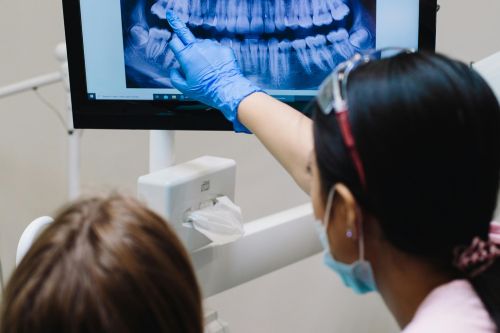
Compensation depends on the severity of your injury and its impact.
You may be able to claim for:
If you’re interested in how dental negligence cases are evolving in the UK, see our article
👉 Why dental negligence claims are rising
The figures below are indicative ranges based on the Judicial College Guidelines (17th edition, April 2024) — the framework used by courts across England and Wales to value personal injury claims. They reflect general damages only; special damages and future care costs are assessed separately and may increase the total significantly.
| Type of dental negligence | Key factors considered | Indicative range |
|---|---|---|
| Nerve damageInferior alveolar or lingual nerve injury | Severity, permanence, impact on taste, speech or sensation | £12,000 – £95,000+ |
| Delayed diagnosisOral cancer, gum disease or other condition | Stage at diagnosis, treatment required, long-term prognosis | £15,000 – £150,000+ |
| Jaw fractureCaused by negligent procedure or technique | Severity, recovery period, long-term complications | £8,000 – £35,000 |
| Multiple tooth lossNegligent extractions or untreated gum disease | Number of teeth, reconstructive treatment, aesthetic impact | £8,000 – £45,000+ |
| Orthodontic negligenceBraces, aligners or treatment planning errors | Severity of misalignment, corrective treatment needed, duration of harm | £5,000 – £30,000 |
| Cosmetic dentistry failureImplants, veneers, crowns or composite bonding | Cost of corrective work, psychological impact, aesthetic outcome | £3,000 – £25,000 |
| Failed root canal treatmentReinfection, instrument fracture or poor technique | Ongoing pain, further treatment required, tooth loss | £2,500 – £15,000 |
| Single tooth lossNegligent extraction or wrong tooth removed | Age, implant or bridge costs, aesthetic and functional impact | £2,000 – £12,000 |
According to the British Dental Journal, dental negligence claims against NHS hospitals resulted in £14 million in payouts between 2015 and 2020 — including nearly £4 million for delayed treatment alone. The figures below reflect current Judicial College Guidelines (17th edition, April 2024) for general damages across the most common claim types.
Important — please read before relying on these figures
These ranges are provided as a general guide only, based on the Judicial College Guidelines (17th edition, April 2024), and do not constitute legal advice or a guarantee of outcome. The value of any individual claim depends on its specific facts and circumstances. Special damages — including the cost of corrective dental treatment, lost earnings, and travel — are assessed separately and are not reflected in the ranges above. For an accurate assessment of what your claim may be worth, contact our solicitors for a free, no-obligation consultation.
Permanent or long-lasting injuries attract significantly higher awards than temporary ones.
Younger claimants who will live longer with the injury may receive higher awards.
Private dental work needed to fix the damage — implants, reconstructions, ongoing care — is recoverable in full.
Anxiety, loss of confidence, or lasting distress caused by the injury or its visible effects are included in general damages.
Difficulty eating, speaking, or carrying out normal activities due to the injury strengthens the general damages element of your claim.
Time off work during recovery, or reduced earning capacity caused by the injury, are recoverable as special damages.
Find out what your claim could be worth
Our specialist dental negligence solicitors offer a free, no-obligation assessment. No win, no fee — no upfront costs.
Dental negligence can take many forms. For a broader overview of the issues patients most often experience, you may find our guide on the most common types of dental negligence helpful. Examples of negligent dental treatment include:
Dental implant negligence: This can include:
Inserting implants without first treating gum disease.
Inadequate bone density assessment.
Incorrect implant placement angle.
Implants placed too close to adjacent teeth, leading to complications.
Orthodontic negligence: Including:
Incorrect treatment plans.
Poor monitoring or management of braces/invisible aligners.
Delayed or inappropriate treatment leading to worse dental alignment.
Composite bonding errors: Such as:
Unnecessary or unsuitable procedures.
Poor fit, unnatural appearance, or premature failure requiring early replacement.
If any of these situations sound familiar, our dental negligence lawyers can assess your case and advise you on the next steps.
To prove a claim, you must show:
Evidence may include:
Dental negligence claims in the UK are assessed against the Bolam standard, established in Bolam v Friern Hospital Management Committee [1957] 1 WLR 582.
Under this test, a dental professional is not negligent if their treatment was in accordance with a practice accepted as proper by a responsible body of dental professionals skilled in that field — even if other practitioners would have acted differently.
However, the Bolam standard was refined by the Supreme Court in Montgomery v Lanarkshire Health Board [2015] UKSC 11, which established that patients must be informed of all material risks before consenting to treatment.
A dentist who failed to warn you of a significant risk — even if the procedure itself was performed competently — may still be liable in negligence.
In practice, our solicitors work with independent dental experts to produce a formal expert report assessing whether your treatment fell below the Bolam standard. This report is the cornerstone of any dental negligence claim and is required before a Letter of Claim can be issued under the Pre-Action Protocol for the Resolution of Clinical Disputes.
All dentists, dental hygienists, orthodontists, and dental therapists practising in the UK must be registered with the General Dental Council (GDC) and adhere to its Standards for the Dental Team(2013).
These standards set out the professional and ethical obligations every registered dental professional must meet, including:
Where a dentist’s conduct falls below these standards, this may form part of the evidence in a negligence claim. You can verify whether your dentist is currently registered with the GDC using the GDC’s public register.
Making a dental negligence claim through NJS Law is a separate process from raising a complaint with the GDC. A GDC investigation addresses the dentist’s fitness to practise — it does not result in financial compensation for you. Our solicitors pursue compensation through the civil courts or negotiated settlement, independently of any GDC proceedings.
Understanding the dental negligence claims process can make pursuing compensation less daunting. As part of our wider clinical negligence claims service, NJS Law guides you through each step to ensure your claim is handled efficiently and effectively.
If you’re wondering about timescales, our guide on how long a dental negligence claim takes explains what to expect at each stage.
Free Case Assessment – We start by reviewing your situation to determine if you have a valid claim.
Gathering Evidence – Our team collects medical records, expert reports, and any other evidence to build a strong case.
Letter of Claim – We send a formal letter to the responsible healthcare provider outlining your claim and seeking resolution.
Negotiation and Settlement – Many claims are settled without going to court, but if necessary, we are prepared to represent you in litigation.
Compensation Award – Once a settlement or court decision is reached, we ensure you receive the full compensation you are entitled to.
Throughout the process, our no win, no fee dental negligence solicitors provide expert guidance, keeping you informed and supported every step of the way.
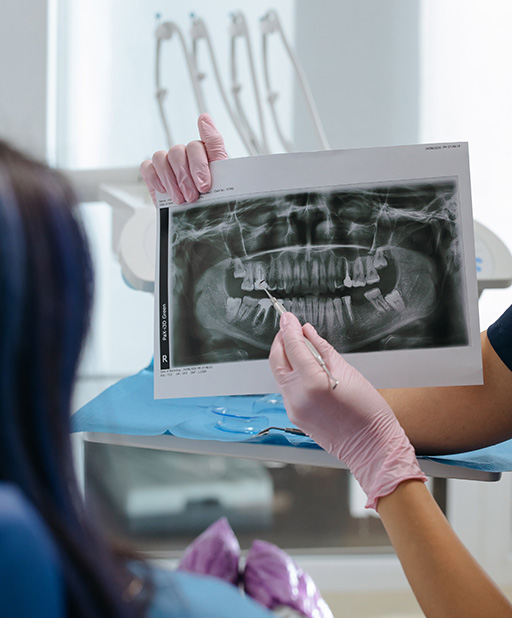
Yes, you can claim against both NHS and private dental providers if negligence can be proven.
The timeline depends on the complexity of your case and whether liability is disputed. Most claims follow the Pre-Action Protocol for Clinical Disputes, which sets formal deadlines for both sides.
| Stage | Typical timeframe |
|---|---|
| Initial case assessment & funding agreement | 1–4 weeks |
| Obtaining dental records | 4–8 weeks (records must be provided within 40 days under UK law) |
| Independent expert report commissioned | 8–16 weeks |
| Letter of Claim sent to defendant | Within 3–6 months of instruction |
| Defendant’s Letter of Response | Up to 4 months (required under Pre-Action Protocol) |
| Negotiation and settlement (uncontested) | 3–6 months after Letter of Response |
| Court proceedings issued (if disputed) | 12–18 months additional |
As a general guide:
The 3-year limitation period generally runs from the date of negligent treatment, or from the date you first became aware that negligence had occurred — whichever is later. If you are approaching this deadline, contact us immediately.
Get practical advice and in-depth guides on dental negligence claims. From understanding what counts as negligent dental care to learning how compensation is calculated, our resources are designed to give you clarity and confidence.
Browse the latest articles to see how real dental negligence cases are handled, what factors affect compensation, and how our solicitors approach claims for dental errors, misdiagnosis, surgical mistakes, or poor cosmetic dentistry. These insights can help you understand your rights and what to expect when pursuing a dental negligence claim.
Suffering from dental negligence can be overwhelming, especially if you’re unsure of your rights or worried about the impact on your health. Our expert dental negligence solicitors provide clear, honest advice and manage every aspect of your claim, so you can focus on recovery while we pursue the compensation and justice you deserve.

Accredited & Experienced
Trusted by Our Clients & The Profession
Our dental negligence solicitors combine decades of experience with a client-first approach. We understand how stressful and painful dental errors can be, and we’ll stand by your side throughout your claim.
Contact us today for a free consultation and take the first step toward securing the compensation you deserve for your dental injury or poor dental treatment.
Woman Awarded £3,000+After Failed Filling Leads to Tooth Loss
Case summary:
A woman received over £3,000 in compensation after negligent dental treatment turned a routine filling into months of pain, repeated failures, and the loss of three teeth. The dentist’s failure to provide proper care led to ongoing complications and ultimately tooth removal.
Why the claim succeeded:
Starting a dental negligence claim can feel daunting, and you’re likely to have questions about how the process works, what it costs, and how long it takes. To help, we’ve answered the most common questions our clients ask — from evidence to compensation amounts and court proceedings.
You may be eligible if you received substandard treatment that caused harm.
You typically have 3 years from the date of negligence or when you became aware of it.
Compensation can cover:
Pain, suffering, and loss of quality of life (general damages)
Financial losses such as treatment costs, travel expenses, lost income, or corrective care (special damages)
Future care or treatment costs if your injury requires long-term support
You must show that:
The dental care provided fell below the expected professional standard
This negligence directly caused harm or worsened your condition
Evidence required may include:
Dental records and treatment notes
X-rays or scans
Witness statements from dental professionals or staff
Photographs of dental injuries or outcomes
Expert reports from independent dental experts
Yes. You can claim compensation whether you were treated privately or through the NHS.
The timeline depends on the complexity of the case and the severity of the injury. Some claims may be resolved in a few months, while more complex cases could take longer.
No. Many dental negligence claims are handled on a no win, no fee basis, meaning you only pay if your claim is successful.
Yes. Poor outcomes in cosmetic procedures, such as implants, veneers, or teeth whitening, can form the basis of a dental negligence claim if the care fell below the accepted standard.
Starting a claim with NJS Law is simple: contact our experienced dental negligence solicitors to discuss your case. We will assess your eligibility, gather all necessary evidence, and guide you through each step of the claims process.
Our team works on a no win, no fee basis, providing expert support and advice to help you secure the compensation you deserve.
For fast, friendly affordable legal advice. Contact a member of our team today.