





Housing Disrepair Claims Solicitors
- No Win, No Fee

If your council or housing association hasn’t fixed disrepair in your home after you’ve reported it, you may be able to make a housing disrepair claim. This can force them to carry out the repairs and may also entitle you to compensation for living in poor or unsafe conditions.

By law, landlords must keep your home safe and in good condition under the Landlord and Tenant Act 1985. If they fail to do this, you can take legal action.

If you are living with damp, mould, leaks, structural defects, faulty heating, or any other disrepair your landlord has ignored, you don’t have to face it alone — we’re here to help you take action today.

★ 4.8 / 5

Trustpilot

200+ Years

Combined Legal Experience

No Win No Fee

Free Initial Consultation

SRA & Law Society

Regulated & PI Panel Accredited

★ 4.7 / 5

Google

Council & Housing Association

Social housing tenants only

Find Out if You’re Eligible to Make
a Housing Disrepair Claim

Complete the form below or contact us directly. Our solicitors will review your situation and confirm your eligibility in a free consultation.

⚠ Important: We cannot help with a disrepair problem
if you have a Private Landlord.

Download our Free Housing Disrepair Claims Guide

Step-by-step claims process

What Is a Housing Disrepair Claim?

Your landlord has a legal duty to maintain your home. When they fail — and you’ve told them — you can take legal action to force repairs and claim compensation for the period you’ve been living in unsafe conditions.

1. The Property Is in Disrepair

Your landlord is legally responsible for keeping the structure, exterior, and essential installations in your home in proper repair.
Section 11 of the Landlord and Tenant Act 1985

2. You Have Notified Your Landlord

Your landlord must have been informed of the disrepair — in writing where possible. Their legal duty to repair arises from the moment they receive notice.
Keep records of all communications..
Section 11 of the Landlord and Tenant Act 1985 — notice required

3. They Have Failed to Act

Despite notification, your landlord has not carried out repairs within a reasonable period. Emergency hazards require immediate action.
Under Awaab's Law, damp and mould investigation must begin within 3 working days.
Awaab's Law — October 2025

What Compensation Can You Claim for Housing Disrepair

SituationEligible?Notes
Council (local authority) tenant✓ YesProtected under the Landlord and Tenant Act 1985 and the Homes (Fitness for Human Habitation) Act 2018
Housing association tenant✓ YesThe same legal duties and statutory protections apply
Social housing tenant with children✓ YesThe impact on children’s health and wellbeing can strengthen the claim
Elderly tenant in social housing✓ YesAge and vulnerability may increase compensation potential
Tenant whose repairs were inadequate✓ YesYou may still have a claim if repairs were incomplete, delayed, or carried out poorly
Private tenant (AST)✗ NoNJS Law does not handle private landlord housing disrepair claims

New Law · October 2025

Awaab's Law — Major New Rights for Social Housing Tenants

Awaab’s Law came into force on 27 October 2025 — the most significant change to social housing tenants’ rights in a generation.

Named after Awaab Ishak, the two-year-old who died in December 2020 from a respiratory condition caused by mould in his housing association flat, Awaab’s Law holds social landlords to strict statutory deadlines for investigating and repairing damp and mould hazards.

If your landlord has missed any of these deadlines, they are in breach of a statutory duty — which strengthens your housing disrepair claim significantly

➡️ 24h Emergency Hazard Response

Landlord must acknowledge and begin action on emergency health hazards within 24 hours of notification

➡️ 3 Working Days — Begin Investigation

After receiving a complaint about damp or mould, investigation must begin within 3 working days

➡️ 14 Calendar Days — Begin Repairs

After completing the investigation, repair work must commence within 14 calendar days

➡️ ASAP Complete Emergency Repairs

Emergency repairs must be completed as soon as reasonably practicable after work begins

Make a Housing Disrepair Claim Today

What Types of Housing Disrepair Can I Claim For?

Disrepair covers any issue your landlord is legally responsible for repairing. The following are the most common — but this list is not exhaustive.

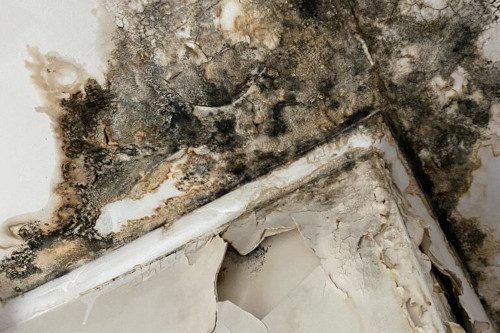
damp_mold_housing_disrepair

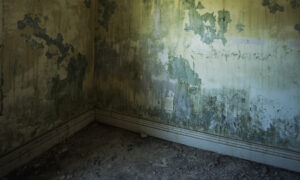
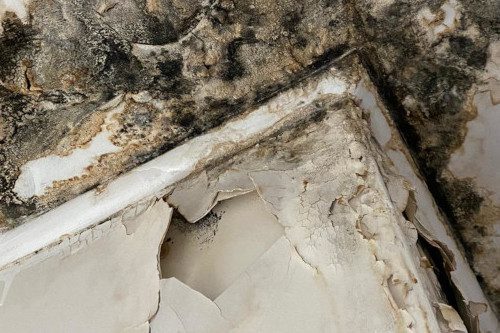
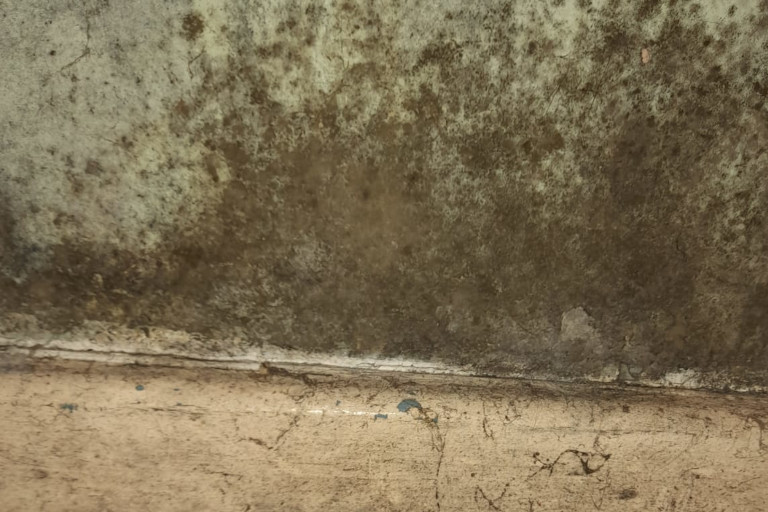
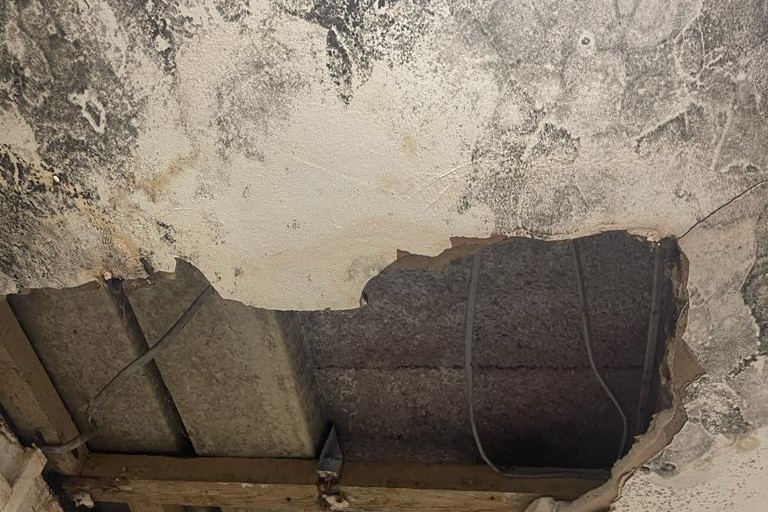
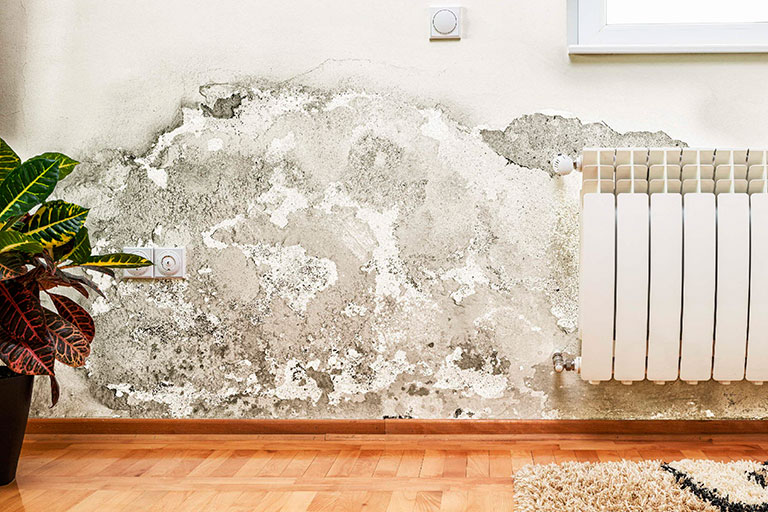
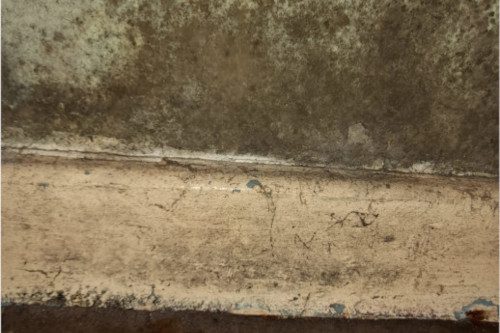
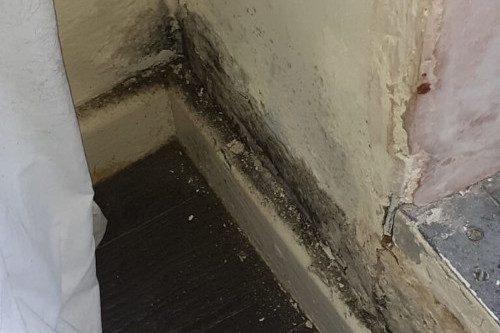
Damp & Mould

Dangerous to health, especially for those with respiratory conditions.

Housing Disrepair defective brickwork

Defective Brickwork

Compromises the stability and safety of your home.

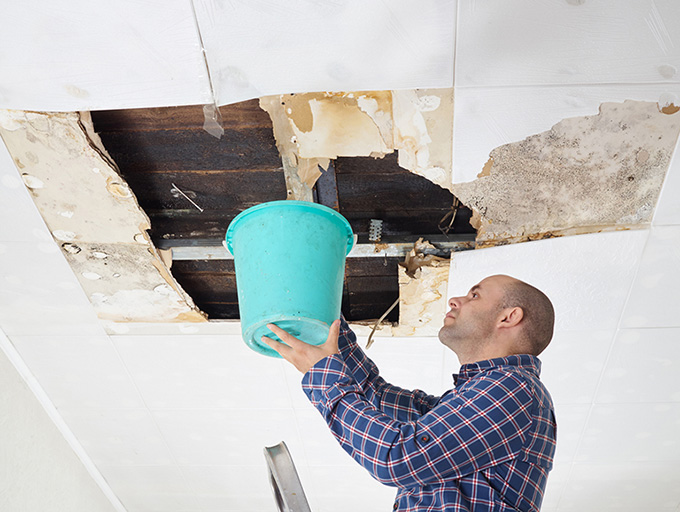
Housing Disrepair defective roofing

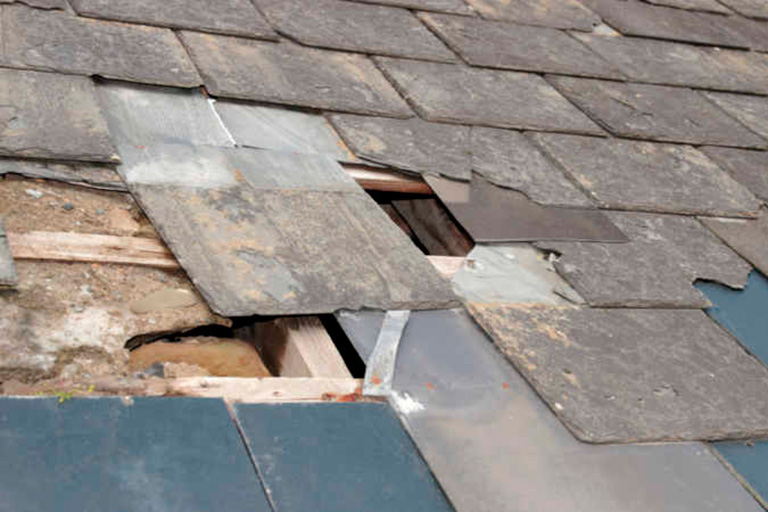
Roof Leaks & Defective Roofing

Leads to water damage and mould growth.

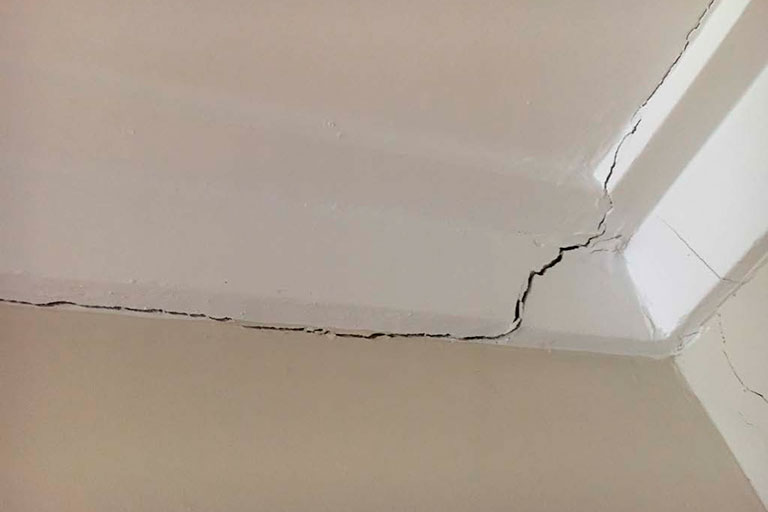
Housing_Disrepairs_Cracks

Cracks in Walls & Ceilings

Indicates potential structural problems.

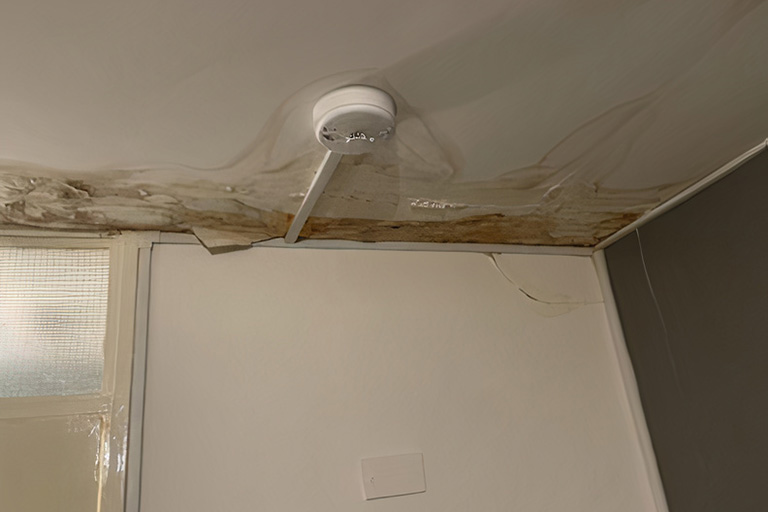
Housing_Disrepairs_Leaks

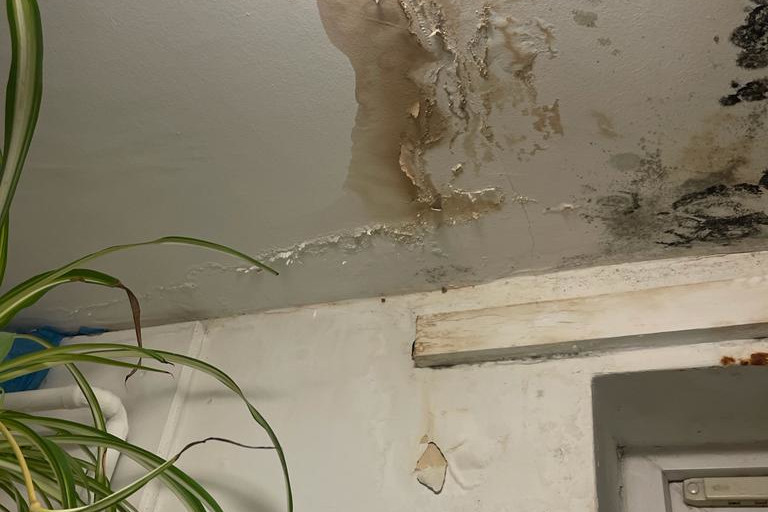
Leaks

Can cause water damage and pose a health hazard.

Housing Disrepair defective windows

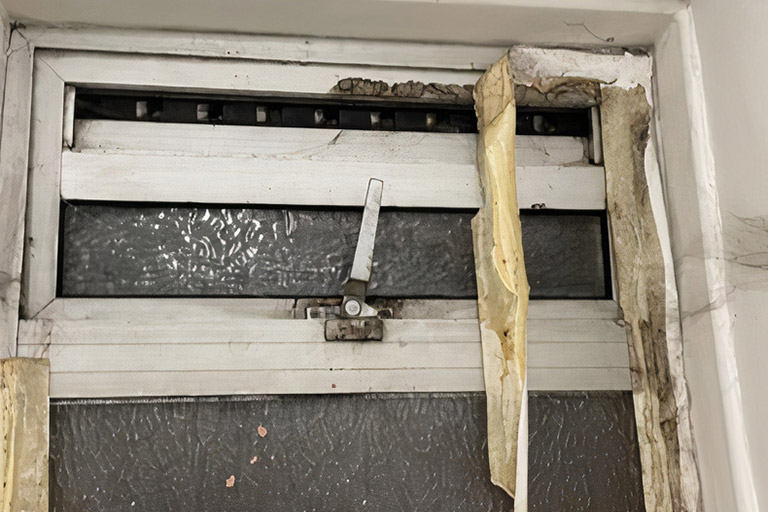
Defective Windows

Increases the risk of accidents, drafts, insulation problems.

Housing Disrepair Damp and Mould

Damp & Mould

Dangerous to health, especially for those with respiratory conditions.

Housing Disrepair Leaks

Leaks

Can cause water damage and pose a health hazard.

Housing Disrepair defective roofing

Roof Leaks & Defective Roofing

Leads to water damage and mould growth.

Housing Disrepair defective brickwork

Defective Brickwork

Compromises the stability and safety of your home.

Housing Disrepair cracks wall

Cracks in Walls & Ceilings

Indicates potential structural problems.

Housing Disrepair defective windows

Defective Windows

Increases the risk of accidents, drafts, insulation problems.

Do I Qualify to Make a Housing Disrepair Claim?

You may be eligible if:

  • You are a council tenant, housing association tenant, or private tenant

  • You have reported the problem to your landlord

  • Your landlord failed to make repairs within a reasonable timeframe

  • The disrepair has affected your health, safety, property, or quality of life — find out more about how disrepairs can affect your health.


Housing Disrepair Claims

Understanding why reporting issues early matters can make a real difference to your claim — read more in The Importance of Reporting Disrepair. Even if repairs have been made late or badly, you may still be able to claim compensation.

If they ignore your requests for repairs, you can take legal action to protect yourself and your family. For further clarity on your options, you may also find it helpful to read Housing Disrepair Claim vs Housing Ombudsman Complaint.

Behind the Scenes – Housing Disrepair Clients Experiences

What Our Customers Say

Rated 5 out of 5
Fatima Musa
Going into our disrepair case, I was quite apprehensive what may come of it. The process from start to finish has been great. The wonderful team at NJS Law were always just a email/phone call away. We were well informed at every stage and felt confident our case would be handled with care, efficiency and professionalism. We are ever so grateful we have reached a successful end. Many many thanks to Craig Flounders for your support!!
Wendy Axton
I wanted to take a moment to express my heartfelt appreciation for Craig's outstanding assistance with getting my repairs sorted. Craig went above and beyond to ensure that everything was taken care of promptly and efficiently. His professionalism, and dedication to customer satisfaction truly stood out throughout the process. Thanks to Craig's expertise and support, the repairs were completed seamlessly, and I couldn't be more pleased with the outcome. I highly recommend Craig to anyone seeking reliable assistance with their repair needs. Thank you once again, Craig, for your exceptional service!
Larry Ditchman
Gary Saunders represented my elderly father in his case against a housing association for disrepair. We were very happy with the way he handled the case. Very efficient and very professional. We highly recommend him and his company. Thank you
Hollie Harris
Gary and his team worked tirelessly to get a long-awaited result from my extremely difficult housing situation with my housing association. I am grateful for his efforts and would recommend him to anyone else needing assistance with a housing disrepair issue. Thanks Gary

How Much Compensation Can You Get for Housing Disrepair?

According to a Building Research Establishment report, poor housing costs the NHS in England £1.4 billion every year — with around £857 million spent treating health problems caused by unsafe living conditions. Housing disrepair compensation covers three categories.

General Damages — Rent Reduction

The primary compensation element — a percentage of rent for the period of disrepair, based on severity.

Severity of DisrepairTypical Rent ReductionExample
Minor (one issue, low impact)5–10%Single broken window, minor isolated damp – One Room
Moderate (multiple issues or health risk)10–20%Persistent damp, faulty heating for weeks – multiple rooms affected
Serious (health hazard present)20–40%Severe mould, structural defect, no heating in winter
Severe (property barely habitable)Up to 100%Flooding, total heating failure, severe structural risk

Worked example: Rent of £600/month × 40% reduction × 24 months of disrepair = £5,760 in general damages — before special damages and any personal injury element are added.

Special Damages — Financial Losses

Added on top of the rent reduction for actual financial losses caused by the disrepair.

Loss TypeWhat’s Recoverable
Damaged belongingsFurniture, clothing, electronics damaged by damp or leaks — keep receipts or photos
Increased energy billsHigher heating costs caused by broken windows, poor insulation, or faulty heating systems
Decoration costsRedecorating rooms damaged by disrepair — where landlord’s failure caused the need
Medical costsPrescriptions and treatment for conditions caused or worsened by the disrepair
Relocation costsTemporary accommodation if the property became temporarily uninhabitable

Important: These figures are indicative and depend on the specific facts of your case. If the disrepair caused illness or injury, personal injury damages based on the Judicial College Guidelines apply separately and can significantly increase the total. Contact NJS Law for a free assessment of what your claim may be worth.

The Law Behind Housing Disrepair Claims

Four pieces of legislation give you the right to take legal action against your council or housing association landlord.

📜 Landlord and Tenant Act 1985 — Section 11

Requires all landlords to keep the structure and exterior of a residential property in repair, and to maintain installations for water, gas, electricity, sanitation, space heating, and water heating. Applies to all tenancies under 7 years — regardless of any contrary tenancy agreement clause.

🏠 Homes (Fitness for Human Habitation) Act 2018

Requires landlords to ensure properties are fit for human habitation at the start of and throughout the tenancy. Fitness is assessed against 29 hazard categories under the HHSRS. This Act significantly strengthened tenants' rights — and crucially, allows tenants to take direct court action against their landlord.

⚠️ Housing Act 2004 — HHSRS

The Housing Health and Safety Rating System covers 29 hazard categories including damp and mould, excess cold, electrical hazards, and fire. Category 1 hazards (serious risk of harm) must be addressed by the landlord. HHSRS assessments by independent surveyors are frequently used as evidence in disrepair claims.

⚖️ Social Housing (Regulation) Act 2023 — Awaab's Law

Introduced Awaab's Law, in force from 27 October 2025. Requires registered social landlords to investigate hazardous damp and mould within 3 working days and begin repairs within 14 days. Breach of these statutory deadlines is directly actionable by tenants and strengthens housing disrepair claims.

How the Housing Disrepair Claim Process Works

✅ Free Initial Consultation

We offer a free consultation to review your housing conditions and discuss your rights, giving you honest advice on whether you have a valid disrepair claim.

✅ Evidence Gathering

We collect photographs, inspection reports, repair notices, and any communication with your landlord to document the disrepair and strengthen your case.

✅ Calculating Your Losses

We assess the impact of the disrepair on your health, finances, and wellbeing, including repair costs, relocation expenses, rent reductions, and any emotional distress caused.

✅ Negotiation or Settlement

We negotiate with your landlord or their insurers to achieve a fair resolution. If agreement cannot be reached, we are prepared to represent you in court to secure proper compensation. For further guidance and support, you may find our Housing Disrepair Help Guide useful

How Long Does a Housing Disrepair Claim Take?

StageTimeframe
Assessment and evidence gathering1–3 weeks
Surveyor instruction and report4–8 weeks
Pre-Action Protocol Letter sentWithin 8–12 weeks
Landlord’s response20 working days
Negotiation and settlement2–4 months after response
Court proceedings (if required)6–12 months additional
Cooperative landlord — typically 4–8 months

Disputed or uncooperative landlord — typically 12–18 months

Complex with personal injury element — 18 months – 2 years

Make a Housing Disrepair Claim Today

No Win, No Fee — Explained Clearly

All NJS Law housing disrepair claims are handled on a no win, no fee basis — formally known as a Conditional Fee Agreement (CFA). No upfront costs. No financial risk to you.

How It Works

  • Nothing upfront — no retainer, hourly rate, or disbursements during the case
  • Nothing if you lose — if your claim is unsuccessful, you pay nothing at all

  • Success fee if you win — Success fee payable only if your claim is successful

A Note on Claims Management Companies

  • The SRA and government have raised concerns about CMCs targeting vulnerable housing tenants and encouraging claims that may not be in their best interests
  • Go directly to an SRA regulated solicitor — not through a claims management company that takes a referral fee reducing your compensation
  • NJS Law is SRA regulated (no. 8006550) — your interests are protected throughout

Why Choose NJS Law for Your Housing Disrepair Claim

Specialist Housing Disrepair Solicitors
Our team focuses specifically on housing disrepair claims, meaning we understand the law, the process, and what it takes to win strong claims for tenants.

Decades of Experience in Housing Disrepair Claims
Our solicitors, with over 200 years of combined legal experience, have helped tenants across the UK secure successful outcomes in housing disrepair cases for many years.

Straightforward, Honest Advice
We explain your rights and the claims process in clear, plain English—no jargon, no confusion.

No Win, No Fee Guarantee – No Upfront Costs
You won’t pay a penny unless we win your case. All costs are explained upfront with complete transparency. → Learn more about  How a No Win No Fee Claim Works

Securing Maximum Compensation and Essential Repairs
We fight to ensure your landlord makes the necessary repairs and you receive the full compensation you deserve for the distress, inconvenience, and impact on your health.

✅ Fast action to get repairs completed
We push landlords to act quickly. Our goal is to make sure repairs are carried out as soon as possible so you can live in a safe, comfortable home again.

✅England & Wales Representation
No matter where you live in England & Wales, we can handle your case. We support tenants in council and housing association rented homes across the country.

Rated 4.8★ for Client Care and Support
Clients across the UK trust us for our exceptional service, reflected in our 4.9 out of 5 Trustpilot rating. → NJS Law Reviews

At NJS Law, we hold negligent landlords accountable while ensuring you receive clear guidance and outstanding support every step of the way.

Housing Disrepair Claim Guides & Expert Tips

Explore our latest guides and expert tips on housing disrepair claims. Learn what affects compensation, who may be liable, and how to strengthen your case.

Speak to Our Housing Disrepair Solicitors Today - Free Consultation -

Our experienced Housing Disrepair Solicitors are here to guide you every step of the way. With decades of experience, we provide expert legal representation and ensure you receive the repairs and compensation you deserve.

Contact NJS Law today to discuss your claim with a specialist housing disrepair solicitor. Call or email us now to start your case.

Housing Disrepair Claims – Frequently Asked Questions

Making a housing disrepair claim can feel overwhelming. Below we’ve answered the most common questions our clients ask. These cover eligibility, time limits, compensation, and what happens if your case goes to court.

What is housing disrepair and can I make a claim?

Housing disrepair occurs when a rented property is not properly maintained and falls below a reasonable standard of living. You may be able to make a claim if you rent from a council or housing association, your landlord has been notified of the issue, and they have failed to carry out repairs within a reasonable time. Private tenants cannot use NJS Law’s housing disrepair service.

Compensation is calculated as a percentage of your rent for the period of disrepair — typically 10 to 60 percent depending on severity. For example, rent of £600 per month at a 40 percent reduction over 24 months equals £5,760 in general damages. Special damages for damaged belongings, higher energy bills, and decoration costs are added on top. If the disrepair caused illness or injury, personal injury damages apply separately.

Awaab’s Law came into force on 27 October 2025 and requires social landlords to investigate hazardous damp and mould within 3 working days and begin repairs within 14 days. If your landlord has missed these deadlines, they are in breach of a statutory duty — which directly strengthens your housing disrepair claim. NJS Law’s specialists understand how to use Awaab’s Law to support your case.

Straightforward claims with cooperative landlords typically settle within 4 to 8 months. Disputed claims or uncooperative landlords typically take 12 to 18 months. Complex claims with a personal injury element can take 18 months to 2 years. The timeline depends on the landlord’s response and whether court proceedings become necessary.

No. It is unlawful for a landlord to evict you in retaliation for making a genuine disrepair claim. Under the Deregulation Act 2015, landlords cannot serve a Section 21 notice within 6 months of a formal complaint about housing conditions. Contact NJS Law immediately if you receive an eviction notice after reporting disrepair.

You do not need written notification to make a claim, but written evidence is very helpful. If you reported the disrepair verbally, send a follow-up email or letter to your landlord confirming what you reported and when. Text messages and email are acceptable. Keeping a log of all communications strengthens your case significantly.

For the contractual disrepair element, 6 years from when the disrepair began or when your landlord was notified — longer than most injury claims. For any personal injury caused by the disrepair, 3 years from the date of injury or awareness. For children, the 3-year personal injury period begins at age 18.

Do not stop your claim just because your landlord has promised repairs. A promise is not the same as completion. Continue the claims process — NJS Law will ensure repairs are completed to the required standard and that you receive compensation for the period you lived in disrepair.

Recent Housing Disrepair Case Studies and Insights

Learn more about real housing disrepair claims and how compensation is secured for tenants living in unsafe or poorly maintained homes. Our latest case studies and legal insights show how a wide range of issues are handled, the challenges clients face, and the successful outcomes our solicitors achieve.

From mould, damp, leaks, and structural defects to electrical hazards and pest infestations, these stories highlight the importance of expert legal support in ensuring landlords meet their obligations and tenants receive fair compensation.

Browse the latest occupier liability resources below:

Housing Disrepair Claims — A Complete Guide for UK Tenants

Housing Disrepair Claims: A Complete Guide for UK Tenants

Living in a home that your landlord has failed to maintain is not just inconvenient — it can be genuinely harmful to your health, your family’s wellbeing and your finances. For council and housing association tenants across England and Wales, housing disrepair claims provide a legal mechanism to force repairs to be carried out and to receive compensation for the impact of living in substandard conditions.

Read More »
The Impact Of Housing Disrepair On Older People

Housing Disrepair and Older Tenants: A Hidden Crisis in Social Housing

Much attention is given to the damage housing disrepair has on families, especially those with young children. However, older people are often left in situations of housing disrepair that can go unresolved for years. Last month, Westminster City Council agreed to pay £21,000 to an elderly tenant who could not get necessary repairs done on her flat.

Read More »

Ask NJS Law

For fast, friendly affordable legal advice. Contact a member of our team today.

FAQ

For any questions we may be able to answer, discover our FAQs section.

Adele Whittle

Solicitor - Head of Property & Estates

Adele is a qualified solicitor with over 20 years experience working in the legal sector, predominantly within Litigation.

Adele is the member of the management team responsible for the firms strategy, including the growth of a number of key areas of legal practice, heading up the Housing Disrepair and Probate Teams. She also has a keen interest in technology, in particular automation, and will be working on optimising the firm’s processes.

In her spare time Adele enjoys walking the family cockapoo, watching her son play sport, travelling to new places and is obsessed with all things interiors!

Gary Saunders

Solicitor

Gary completed his history degree at the University of Leeds, and the Graduate Diploma in Law and Legal Practice Course (LPC) at Manchester Metropolitan University). He qualified as a solicitor in 2012.

Gary has specialised in litigation since qualifying running cases from initial letters of claim to Trial. He now specialises in representing tenants, leaseholders and homeowners in a variety of disputes against landlords, freeholders, neighbours and local authorities.

In his spare time, Gary enjoys spending time with his family, watching football and travelling.