
Categories
Criminal Injuries

Criminal Injury Compensation Claims: A Complete Guide

Criminal Injury Compensation Claims - a complete guide

LEGAL GUIDE · ENGLAND & WALES

April 2026

Injured as a result of violent crime? Understand how to claim compensation through the Criminal Injuries Compensation Authority (CICA) — eligibility, time limits, tariffs, and appeals explained clearly by NJS Law.

What Is a Criminal Injury Compensation Claim?

criminal injury compensation claim allows someone who has suffered physical or psychological injury as a direct result of a violent crime to seek financial compensation through the Criminal Injuries Compensation Authority (CICA) — a government body administering a statutory compensation scheme in England and Wales.

Unlike personal injury claims, these cases are not brought against the offender. Compensation is paid by the state. This means a claim may succeed even if the offender was never caught, was acquitted, or no prosecution took place — provided police accept that a crime of violence occurred.

A note on sensitive circumstances: Criminal injury claims often follow deeply traumatic events including assault, sexual violence, domestic abuse, historic childhood abuse, and human trafficking. NJS Law handles all cases with the utmost sensitivity, confidentiality, and care. You will never be pressured to disclose more than is necessary.

Criminal injury claims are not simply about financial compensation. They are about recognition, accountability through the state scheme, and helping victims move forward after traumatic events. Early legal advice ensures applications are submitted correctly, evidence is preserved, and avoidable refusals are challenged promptly.

What Qualifies as a Criminal Injury?

Under the Criminal Injuries Compensation Scheme, compensation may be awarded for injuries caused by a crime of violence. The injury must be directly attributable to the criminal act and must meet the threshold of severity required by the Scheme.

Crimes of Violence Covered by the Scheme

  • Physical attacks — including assault, GBH, ABH, and knife crime
  • Sexual offences — including rape, sexual assault, and exploitation
  • Threats causing immediate fear of violence
  • Arson and poisoning
  • Manslaughter
  • Certain cases involving children who witnessed domestic violence
  • Human trafficking, modern slavery, and forced labour
  • Terrorism-related incidents in England and Wales

Types of Injury Covered

The Scheme covers both physical and psychological injury. Psychological injury may be claimed even where there is no significant physical harm, provided it is medically diagnosed and directly linked to the crime.

Injury TypeExamplesNotes
PhysicalBroken bones, facial injuries, scarring, head injuries, internal injuriesAssessed against the CICA tariff of injuries
PsychologicalPTSD, severe anxiety, clinical depression, adjustment disorderMust meet diagnostic criteria — temporary distress alone does not qualify
Sexual AssaultPhysical and psychological injuries from sexual violenceHistoric cases may qualify under exceptional circumstances
FatalBereavement, dependency, funeral expensesAvailable to qualifying relatives under Scheme rules

Important: Multiple injuries are assessed together under the Scheme’s tariff system, not individually. Where multiple injuries occur, only limited additional sums are added to the primary tariff award. NJS Law can advise on the likely combined award for your specific circumstances.

Types of Criminal Injury Compensation Claims

NJS Law handles the full range of criminal injury compensation claims. The eligibility requirements are governed by the Criminal Injuries Compensation Scheme in all cases, but the nature of harm, supporting evidence, and special considerations vary significantly.

🥊 Physical Assault Claims

ABH, GBH, blunt force trauma, knife crime, fractures, facial and dental injuries

🛡️ Sexual Assault & Abuse

Rape, sexual assault, child sexual abuse, grooming, exploitation, historic abuse

🏠 Domestic Violence

Physical and psychological injury from domestic abuse — reporting complexities recognised

🧠 Psychological Injury

PTSD, severe anxiety, clinical depression, adjustment disorder — no physical injury required

👶 Child Victims

Physical abuse, sexual abuse, grooming — special time limit rules apply

⚠️ Human Trafficking

Sexual exploitation, forced labour, coercion — delayed reporting recognised

💣 Terrorism Claims

Physical and psychological injury from terrorist acts in England and Wales

🕯️ Fatal Injury Claims

Bereavement payments, funeral expenses, financial dependency for qualifying relatives

Historic Abuse Claims

CICA recognises claims arising from historic sexual or physical abuse, including childhood abuse that occurred many years ago.

Time limit extensions may be granted where there are exceptional circumstances — for example where trauma prevented earlier reporting, or where the applicant was unaware of the connection between their psychological symptoms and the original abuse.

These cases require careful and sensitive preparation. Contact NJS Law for specialist advice on historic abuse claims.

Child Victim Claims

Children who suffer injury from violent crime may be eligible for CICA compensation. In many cases, the two-year limitation period does not begin until the child turns 18 — giving them until their 20th birthday to apply. A parent or litigation friend may submit an application on the child’s behalf at any time before they turn 18. Child cases often require careful presentation of medical, educational, and safeguarding evidence.

Not sure what to do after a criminal injury?

Download our free step-by-step guide and refer back to it at every stage of your compensation claim.

It walks you through what to do immediately after the incident, how to report it, gathering evidence, and navigating the Criminal Injuries Compensation Authority (CICA) process—so you feel supported every step of the way.

How Criminal Injury Claims Differ from Personal Injury Claims

Criminal injury compensation claims operate under a statutory tariff scheme — not the common law negligence principles that govern personal injury claims. Understanding these differences is essential to managing expectations and preparing a strong application.

The Offender Does Not Pay

Compensation is paid by the state through CICA — not by the individual offender. A conviction is not required. A claim may succeed even if the offender was never caught, was acquitted at trial, or no prosecution ever took place, provided the police accept that a crime of violence occurred and the applicant cooperated with their investigation.

The Fixed CICA Tariff System

Unlike personal injury claims where damages are individually assessed, CICA uses a fixed tariff of injuries. Each qualifying injury has a set compensation amount. This creates predictability but also strict limits — general damages cannot be negotiated upward in the same way as common law claims.

Strict Eligibility Criteria

  • The incident must be reported to the police as soon as reasonably practicable
  • The applicant must cooperate fully with the police investigation
  • The claim must be submitted within the time limits (usually two years)
  • Unspent serious criminal convictions may reduce or bar compensation
  • The injury must meet the minimum severity threshold under the Scheme

⚠️ CICA refusals are common. Applications are frequently rejected due to alleged lack of police cooperation, reporting delays, disputed medical evidence, or criminal record deductions. NJS Law regularly challenges refusals and overturns decisions at review and tribunal appeal. Contact us before accepting any rejection.

Immediate Priorities After a Violent Crime

The steps taken immediately after a violent crime can significantly affect the strength of any criminal injury compensation claim. While your safety and wellbeing are always the first priority, the following actions are important.

Reporting to the Police

For most CICA claims, the incident must be reported to the police as soon as reasonably practicable. CICA will require a crime reference number, confirmation that you cooperated with the investigation, and evidence that the incident was properly recorded. Failure to report promptly can result in refusal — unless exceptional circumstances apply, such as childhood abuse, fear of retaliation, or human trafficking.

Seeking Medical Attention

Medical evidence is critical to any criminal injury claim. Attend A&E, your GP, or a Sexual Assault Referral Centre (SARC) as soon as possible. These records establish the nature, severity, and direct link between the crime and the injury — forming the evidential foundation of the application.

  • A&E records and hospital treatment notes
  • GP records documenting symptoms and their link to the crime
  • SARC reports for sexual assault cases
  • Psychological therapy records and psychiatric assessments

Preserving Evidence

While CICA obtains police records directly, additional evidence strengthens an application. This may include witness details, photographs of injuries, CCTV footage (preserved promptly before overwriting), therapy reports, and victim personal statements. Consistent, well-documented information from the outset reduces the risk of refusal.

Speak to a specialist solicitor today

Free, confidential, no obligation

Time Limits for Criminal Injury Compensation Claims

Time limits are strictly applied in criminal injury compensation claims. Missing a deadline can mean losing the right to claim entirely. Early legal advice is essential — particularly in cases involving children, historic abuse, or delayed symptom presentation.

Standard Rule

CICA applications must usually be made within two years of the date of the incident.

Children

If the incident occurred under age 18, the two-year period may run from the child's 18th birthday.

Historic Abuse

Extensions may be granted in exceptional circumstances — particularly for childhood sexual abuse where trauma prevented earlier reporting.

Human Trafficking

CICA recognises barriers to reporting for trafficking victims. Exceptional circumstances may justify extended time limits.

Do not assume time has passed. The date from which the two-year period runs is not always obvious — particularly in historic abuse cases, cases where psychological symptoms emerged long after the incident, or where a child was involved. Contact NJS Law for a free assessment of whether your claim remains viable.

What Can You Claim Under the CICA Scheme?

Compensation under the Criminal Injuries Compensation Scheme is structured differently from personal injury damages. Awards are based on a fixed tariff and governed by strict eligibility rules for each component.

Compensation TypeWhat It CoversKey Conditions
Tariff AwardSet amount for each qualifying injury under the official CICA tariffMultiple injuries assessed together — not individually
Loss of EarningsCalculated at statutory sick pay rate (not full salary)Only available if unable to work for more than 28 weeks
Special ExpensesCare costs, home adaptations, specialist equipment, mobility aidsOnly where necessary and not available free of charge elsewhere
Bereavement AwardFixed bereavement payment for qualifying relatives in fatal casesDepends on relationship and Scheme eligibility rules
Funeral ExpensesContribution toward reasonable funeral costs in fatal casesAvailable to qualifying applicants
Dependency PaymentsFinancial dependency loss for qualifying relatives in fatal casesSubject to Scheme rules on relationship and dependency

Unlike personal injury claims where loss of earnings is assessed at actual salary level, CICA loss of earnings awards are calculated at statutory sick pay rate — regardless of your actual income.

NJS Law provides realistic guidance on the likely value of your claim from the outset, so there are no surprises.

Criminal Convictions and Deductions

CICA may reduce or refuse compensation where an applicant has unspent criminal convictions. The extent of any deduction depends on the nature of the convictions and the circumstances of the case. This does not automatically prevent a claim — each case is assessed individually. Legal advice is strongly recommended where criminal convictions are a factor.

The CICA Application Process — Step by Step

The CICA application process involves five structured stages. NJS Law manages the entire process on your behalf — from initial submission through to tribunal appeal if necessary.

1. Submitting the Application

Applications are made online to CICA. Information required includes the crime reference number, medical details, employment history, and criminal conviction history. Accurate and consistent information at this stage is critical — errors or omissions can lead to refusal.

2. Evidence Gathering

CICA will obtain police reports and medical records directly. They may also request additional documentation. NJS Law coordinates evidence gathering proactively — addressing any inconsistencies before they become grounds for refusal.

3. Initial CICA Decision

CICA will issue a written decision covering: whether eligibility criteria are met, the tariff award, and any deductions applied. Many applicants receive reduced awards or outright refusals at this stage — particularly where evidence is incomplete or procedural requirements were not met.

4. Requesting a Review

If the initial decision is incorrect, a review can be requested — usually within 56 days. Additional evidence may be submitted at this stage. NJS Law drafts structured review submissions, identifies errors in CICA's decision-making, and presents the strongest possible case for reconsideration.

5. Appeal to the First-tier Tribunal

If the review does not resolve the issue, an independent tribunal appeal may be lodged. The First-tier Tribunal is entirely separate from CICA and can overturn decisions. Tribunal appeals require careful preparation — NJS Law prepares cases thoroughly and represents clients throughout the appeal process.

Read what our clients say about working with NJS Law through the CICA process on our reviews page. Learn more about our team and approach.

How Long Do Criminal Injury Claims Take?

Criminal injury compensation claims through CICA typically take longer than many people expect. Timescales depend on the complexity of the case, the volume of medical evidence required, whether CICA raises eligibility issues, and whether a review or appeal becomes necessary.

Straightforward Cases

12–18 months

Clear eligibility, straightforward medical evidence,
and no appeal required.

Complex Cases

2-3+ Years

Serious injury, historic abuse, disputed eligibility,
or cases requiring tribunal appeal.

CICA does not routinely make interim payments. In limited circumstances, interim awards may be considered where liability is clear and serious financial hardship exists. NJS Law will advise whether an interim application is appropriate in your case.

Receive expert legal guidance today

Confidential, considered, no obligation

Why Choose NJS Law for Your Criminal Injury Claim?

Criminal injury compensation claims require more than completing an online form. They require careful assessment of eligibility, structured evidence gathering, and — where necessary — robust challenges to refusals. Many applicants come to NJS Law after receiving an unexpected rejection or a reduced award. Others feel overwhelmed by the process, particularly where trauma, historic abuse, or complex personal circumstances are involved.

Clear and Honest Assessment from the Outset

Not every incident qualifies under the Criminal Injuries Compensation Scheme. The rules are strict and technical. From your first conversation with NJS Law, we provide clear advice on whether the incident meets the definition of a crime of violence, whether time limits present an issue, the likely tariff range, the impact of any unspent convictions, and the realistic prospects of success. If a claim is unlikely to succeed, we will tell you. If further evidence is needed before we can advise fully, we will outline the next steps clearly.

Experience in Reviews and Appeals

CICA refusals are common — and they are frequently wrong. Applications may be rejected due to alleged lack of police cooperation, reporting delays, disputed medical evidence, criminal record deductions, or technical interpretation of Scheme rules. NJS Law regularly assists clients with drafting structured review submissions, identifying errors in CICA’s decision-making, gathering additional evidence, and preparing cases for the First-tier Tribunal. Many decisions are successfully overturned when properly challenged.

Sensitive Handling of Complex and Historic Cases

Some criminal injury claims involve deeply personal and traumatic circumstances — including childhood abuse, sexual violence, domestic abuse, human trafficking, and psychological injury. NJS Law recognises that recounting these experiences can be distressing. Our approach is measured, confidential, and supportive. You will never be pressured to disclose more than is necessary, and your case will be handled with complete discretion at every stage.

No Win No Fee Funding

Many criminal injury compensation claims are handled under a No Win No Fee agreement — so you can pursue your claim without financial risk or upfront legal costs.

  • No upfront legal fees whatsoever
  • No fees payable if the claim does not succeed
  • A capped deduction only if you win
  • All funding terms explained clearly at the outse
⭐⭐⭐⭐⭐

NJS Law clients consistently rate us 5 stars for sensitivity, clarity, and results in criminal injury compensation claims.

Read our client reviews →

Frequently Asked Questions About Criminal Injury Compensation

Do I need the offencer to be convicted to make a claims

No. A conviction is not required for a criminal injury compensation claim. You may still qualify provided there is sufficient evidence that a crime of violence occurred and the incident was reported to the police. CICA operates independently of the criminal courts.

In most cases, CICA applications must be submitted within two years of the incident. Exceptions apply for children (the period may run from their 18th birthday) and for historic abuse cases where exceptional circumstances may justify an extension. Contact NJS Law even if you think time may have passed — an assessment is free and without obligation.

Yes. Extensions to the two-year time limit may be granted in exceptional circumstances, including cases of childhood sexual or physical abuse where trauma prevented earlier reporting. These cases require careful and sensitive preparation. NJS Law has experience in historic abuse claims and can advise on the likely prospects and evidential requirements.

Yes, provided the psychological injury is medically diagnosed, directly attributable to a crime of violence, and meets the severity threshold required by the Scheme. Recognised conditions include PTSD, severe anxiety, clinical depression, and adjustment disorder. Temporary distress alone does not qualify — a formal diagnosis is required.

Yes. You do not need a physical injury to bring a road traffic accident claim. Recognised psychological injuries — including travel anxiety, PTSD, depression, and adjustment disorder — supported by medical evidence from a psychiatrist or psychologist, are fully claimable.

Compensation is based on the CICA fixed tariff of injuries. Each qualifying injury has a set award amount — unlike personal injury claims where damages are individually assessed. Loss of earnings may also be claimed if you were unable to work for more than 28 weeks, calculated at statutory sick pay rate. NJS Law provides realistic guidance on the likely value of your specific claim from the outset.

A refusal does not mean the end of your claim. CICA decisions can be challenged at review stage (usually within 56 days) and, if unsuccessful, at appeal to the First-tier Tribunal. NJS Law regularly overturns refusals. Contact us before accepting any rejection — there is often a viable route to reconsideration.

Most CICA claims resolve without any tribunal attendance. Only if a First-tier Tribunal appeal is necessary would attendance be required. NJS Law prepares clients fully for any tribunal appearance and provides complete support throughout the hearing.

Yes. A parent or litigation friend may submit a CICA application on behalf of a child at any time before they turn 18. In many cases, the two-year limitation period does not begin until the child’s 18th birthday. NJS Law can advise on the appropriate procedure for child victim claims.

Criminal injury compensation awarded by CICA is generally not subject to income tax. However, any investment income subsequently generated from the award may be taxable. You should seek independent financial advice on this point if relevant.

NJS Law specialises in criminal injury compensation claims — from straightforward CICA applications to complex historic abuse cases and tribunal appeals. We operate on a No Win No Fee basis, handle all cases with sensitivity and confidentiality, and provide honest advice from the outset. Learn more about us or read our reviews.

Talk to NJS Law About Your Criminal Injury Claim

A confidential conversation with NJS Law costs nothing and commits you to nothing.
We will tell you honestly whether you have a claim worth pursuing – and handle everything on your behalf if you choose to proceed.

This guide is provided for general information purposes only and does not constitute legal advice. Criminal injury compensation law applies to England and Wales. For advice specific to your circumstances, please contact NJS Law directly. This guide covers the Criminal Injuries Compensation Scheme administered by CICA.

CONTACT US

Get in touch using the form below or via the following methods:

Ask NJS

For fast, friendly affordable legal advice. Contact a member of our team today.

FAQ

For any questions we may be able to answer, discover our FAQ section.

Categories
Road Traffic Accident

Road Traffic Accident Claims: A Complete Step-by-Step Guide

Road Traffic Accident Claims A Step-by-Step Guide

LEGAL GUIDE · ENGLAND & WALES

April 2026

Injured in a road traffic accident? Understand your rights, what to do at the scene, and how to claim the compensation you are entitled to — explained clearly by NJS Law.

Why Road Traffic Accident Claims Are Different

Road traffic accidents happen suddenly. One moment you are driving to work, collecting children, cycling home, or crossing the road — the next, your life may feel disrupted by injury, vehicle damage, insurance complications, and uncertainty. A road traffic accident claim is not about confrontation. It is about accountability, rehabilitation, and ensuring you are not left to carry the consequences of someone else’s negligence alone.

Although RTA claims fall under the broader framework of personal injury law, they involve distinct legal rules, compulsory insurance requirements, whiplash tariff regulations, and structured pre-action protocols that set them apart from other claim types.

Key Features of RTA Claims

  • Compulsory motor insurance means claims are typically handled between insurers
  • Structured pre-action protocols govern how claims are notified and progressed
  • Whiplash tariff regulations apply to certain low-value soft-tissue injury claims
  • Motor Insurers’ Bureau (MIB) routes exist for uninsured and untraced drivers
  • Liability disputes are common — both drivers often believe they were in the right
  • Psychological injuries, including PTSD and travel anxiety, are fully claimable

Who NJS Law Acts For

NJS Law handles road traffic accident claims for all road users. Each category involves distinct evidential and legal considerations:

🚗 Drivers Injured in Collisions

🧑‍🤝‍🧑 Passengers in Vehicles

🏍️ Motorcyclists

🚲 Cyclists

🚶 Pedestrians

Not sure what to do after a road traffic accident?

Download our free step-by-step guide and refer back to it at every stage of your claim.

What to Do Immediately After a Road Traffic Accident

Your safety and wellbeing always come first. Legal considerations can wait. However, the actions taken in the immediate aftermath of a collision can significantly affect both your health and the strength of any future road traffic accident claim.

Ensuring Safety at the Scene

  • Move to a safe location away from moving traffic if possible
  • Turn off vehicle engines to reduce fire risk
  • Activate hazard warning lights
  • Call emergency services immediately if anyone is injured
  • Do not move anyone who may have a spinal injury

Exchanging Details — Your Legal Obligations

You are legally required to exchange your name and address, vehicle registration, and insurance details if requested. If the other driver refuses to exchange details or leaves the scene, report the matter to the police as soon as possible — ideally within 24 hours. A police reference number serves as important independent evidence.

Contact police if: there are serious injuries, a driver appears intoxicated, someone leaves the scene, there is aggressive behaviour, or the road is obstructed and unsafe. The police report and reference number can be vital evidence in a disputed claim.

Prioritising Medical Treatment After a Collision

Your health is the priority. However, prompt medical assessment also creates essential documentation for your road traffic accident claim. Medical records often become the central evidence — establishing when symptoms were first reported, how injuries were described, and how recovery has progressed.

When to Attend A&E, Urgent Care, or Your GP

Attend A&E or call 999 immediately for: head injury, loss of consciousness, confusion or memory gaps, severe neck or spinal pain, suspected fractures, chest or abdominal pain, or neurological symptoms such as dizziness or weakness. For less urgent but ongoing symptoms, book a GP appointment as soon as possible and ensure the collision is explicitly recorded in your notes.

Common Delayed Symptoms After a Collision

It is extremely common to feel “shaken but fine” at the scene, only to develop significant symptoms in the days that follow. Many RTA injuries develop gradually, including:

  • Whiplash — neck pain, stiffness, reduced movement
  • Lumbar and lower back strain
  • Shoulder and knee injuries from bracing impact
  • Headaches and concentration difficulties following head trauma
  • Psychological symptoms — travel anxiety, nightmares, flashbacks, panic attacks, avoidance of driving, and PTSD

⏰ Delayed symptoms do not invalidate your claim. 

Provided medical evidence links the symptoms to the original accident, late-presenting injuries are fully claimable. Seek medical advice promptly and ensure the link to the collision is recorded in your notes.

Medical records often become the central evidence in a road traffic accident claim. 

Seek treatment promptly and describe symptoms accurately.

Speak to a specialist solicitor today

Free, confidential, no obligation

Gathering and Preserving Evidence

You are not expected to investigate your own case or build a legal file. However, evidence already within your reach can significantly strengthen a road traffic accident claim. NJS Law will gather further documentation once instructed — your role is simply to preserve what you have.

Photographs and Video at the Scene

Photographs taken shortly after a collision are often more persuasive than later reconstructions. Capture: vehicle damage from multiple angles, road layout and markings, skid marks or tyre marks, traffic light positioning, weather and visibility conditions, debris indicating the point of impact, and any visible injuries. Take serial photographs over subsequent days to show progression of bruising or swelling.

Dashcam, CCTV, and Witness Evidence

Liability disputes in road traffic accident claims are increasingly resolved through dashcam footage, nearby CCTV, bus cameras, and commercial vehicle cameras. CCTV recordings are often overwritten within days — if you believe footage exists, contact the relevant operator immediately to request preservation. Independent witnesses are often decisive, particularly in junction collisions, lane change disputes, and pedestrian crossing incidents. Obtain contact details at the scene where possible.

Vehicle Damage Reports

Repair assessments from independent engineers can reveal the speed at impact, angle of collision, and whether the damage pattern is consistent with the account given. These reports are particularly valuable in disputed RTA cases where the other driver denies fault or misrepresents what occurred.

Common Examples of Driver Negligence

Rear-End Collisions

Often caused by driving too close, failing to anticipate slowing traffic, or driver distraction including mobile phone use.

Failing to Give Way

Entering a roundabout when unsafe, pulling out from a side road without checking, or ignoring a give way line.

Running Red Lights

Disregarding traffic signals, pedestrian crossings, or stop signs is a clear breach of road safety rules.

Speeding

Driving above the speed limit or too fast for conditions reduces reaction time and increases injury severity in a collision.

Using a Mobile Phone

Distraction significantly impairs concentration, awareness, and reaction time — a serious and common cause of collisions.

Driving Under the Influence

Impaired drivers present a serious danger to all other road users and are unambiguously negligent.

Unsafe Overtaking

Overtaking on bends, near junctions, or without sufficient space creates head-on collision risk.

Split Liability and Contributory Negligence

In some cases, responsibility is shared between both parties. This is known as contributory negligence or split liability. Compensation may be reduced proportionally — for example, 75/25 or 50/50 — but a claim can still be brought and may still recover a substantial portion of your losses. NJS Law will advise clearly on how split liability applies to your specific circumstances.

Uninsured and Untraced Drivers — Motor Insurers' Bureau

If the at-fault driver has no insurance or cannot be traced after a hit-and-run incident, a claim may be brought through the Motor Insurers’ Bureau (MIB). MIB claims follow different procedural rules but remain a fully viable route to compensation. NJS Law handles MIB claims alongside all other types of road traffic accident compensation claims.

Speak to a specialist solicitor today

Free, confidential, no obligation

Time Limits and Legal Deadlines

Time limits in road traffic accident claims are governed by the Limitation Act 1980. Missing a deadline can mean permanently losing your right to claim compensation — even where the claim would otherwise have succeeded. Early legal advice protects your position.

The Standard Three-Year Limitation Rule

In most adult RTA claims, court proceedings must be issued within three years of the date of the accident, or the “date of knowledge” — the point at which you first became aware (or reasonably ought to have become aware) that the injury was connected to the collision. This is particularly relevant in cases where spinal injuries or psychological symptoms only become apparent weeks or months after the accident.

Standard Adult Claims

3 years from the date of accident or date of knowledge. Seek advice promptly — evidence deteriorates quickly.

Claims Involving Children

The 3-year period does not begin until the child's 18th birthday — they therefore usually have until their 21st birthday to issue proceedings.

Mental Capacity

Where the injured person lacks mental capacity, the limitation period may be suspended indefinitely until capacity is regained.

Fatal Accidents

Under the Fatal Accidents Act 1976, the 3-year period runs from the date of death. Claims may include bereavement damages, loss of dependency, and funeral expenses.

Why Early Legal Advice Is Critical

Even though three years may seem like a long time, delaying action weakens a claim in practical ways:

  • Dashcam and CCTV footage is often overwritten within days or weeks
  • Witnesses move, cannot be traced, or their memories fade
  • Vehicle damage is repaired and accident scenes change
  • Insurers may dispute late-notified claims on liability or causation grounds
  • Medical records are more persuasive when created close to the incident

⚠️ Do not wait. 

Court discretion under Section 33 of the Limitation Act exists in rare exceptional circumstances, but cannot be relied upon as a safety net.

 Contact NJS Law today for a free, confidential assessment.

Starting Your Road Traffic Accident Claim

Once you instruct NJS Law, we take full responsibility for progressing your road traffic accident claim on your behalf. You do not need to deal with the other driver, their insurer, or any legal paperwork. Your role is simply to explain what happened.

What NJS Law Will Do Once Instructed

During your first conversation with NJS Law, your solicitor will ask about how the accident occurred, the nature and progression of your injuries, and any documents or evidence already available. This consultation is confidential and does not commit you to pursuing a claim. Many clients simply want clarity — to understand whether what happened to them was avoidable and what options exist.

Review Available Evidence

Photographs, accident reports, witness details, dashcam footage, and all documentation already obtained.

Obtain Medical Records

To establish a clear contemporaneous history of symptoms, treatment, and recovery progress.

Identify the Correct Insurer

Ensuring the claim is directed to the appropriate party without delay — including MIB where necessary.

Submit a Formal Claim Notification

Setting out the circumstances of the accident, the injuries sustained, and the legal basis for the claim.

Manage All Insurer Correspondence

Handling liability responses, evidence requests, and negotiations entirely on your behalf.

Keep You Fully Informed

Explaining each stage clearly, ensuring all key decisions remain firmly in your control.

Read what our clients say about working with NJS Law on our reviews page, or learn more about our team and approach.

Receive expert legal guidance today

Confidential, considered, no obligation

No Win No Fee Funding Explained

Most road traffic accident claims are funded under a No Win No Fee agreement (Conditional Fee Agreement). This means you can pursue your claim without any financial risk or upfront legal costs.

How No Win No Fee Works

NJS Law explains all funding terms clearly before you proceed — there are no hidden costs and no surprises.

  • No upfront legal fees whatsoever
  • No fees payable if the claim does not succeed
  • A capped deduction only if you win
  • Additional insurance arranged where appropriate

Medical Evidence and How Compensation Is Calculated

In most road traffic accident claims, an independent medical expert will assess your injuries. This evidence determines the value of your claim. In serious injury cases, multiple specialist experts across orthopaedic, neurological, and psychiatric disciplines may be required.

What Independent Medical Experts Assess

  • The nature and severity of your injuries and their effect on wellbeing
  • Whether recovery is complete, ongoing, or likely to remain incomplete
  • Long-term prognosis and any permanent restrictions on work or daily life
  • Future treatment, rehabilitation, or specialist support required

Whiplash Tariff Regulations

Certain low-value whiplash injuries in road traffic accidents fall under statutory tariff compensation rules introduced by the Civil Liability Act 2018. However, the tariff does not apply to more serious injuries, and several important points remain:

  • More serious whiplash or soft-tissue injuries fall outside the tariff entirely
  • Psychological injury — including PTSD, travel anxiety, and depression — is separately assessed and may significantly increase the value of a claim
  • Financial losses, including lost earnings and treatment costs, remain fully recoverable in addition to any tariff amount
  • Non-whiplash injuries occurring in the same accident attract additional compensation

How Compensation Is Calculated

CategoryWhat It CoversExamples
General DamagesPain, suffering, and loss of amenityPhysical pain, psychological distress, inability to pursue activities
Special DamagesFinancial losses — past and futureLost earnings, treatment costs, care, travel, vehicle-related losses
Future LossesOngoing consequences — key in serious injury casesFuture earnings, rehabilitation, long-term care, specialist equipment

Compensation is assessed by reference to Judicial College Guidelines, previous case law, medical prognosis, and documented financial losses. Each claim is evaluated individually — no two cases produce the same outcome.

⭐⭐⭐⭐⭐

NJS Law clients consistently rate us 5 stars for communication, transparency, and results in road traffic accident claims.

Read our client reviews →

Interim Payments and Rehabilitation

Where liability is admitted early, interim payments may be secured before the claim concludes. This is especially important in serious injury cases where rehabilitation costs arise quickly and financial pressure mounts while recovery is ongoing.

What Interim Payments Can Fund

  • Private physiotherapy and specialist rehabilitation
  • Psychological therapy and counselling
  • Specialist equipment, home adaptations, or mobility aids
  • Mortgage, rent, or essential household costs during recovery
  • Reduced financial pressure while the full claim is assessed

Early rehabilitation significantly improves long-term outcomes in road traffic accident claims.
NJS Law actively pursues interim payments where liability is admitted, rather than waiting for final settlement to fund treatment.

Settlement, Court, and Timescales

In most road traffic accident claims, settlement discussions take place once medical evidence and financial losses have been fully assessed. NJS Law will advise on the fairness of any offers made and whether further negotiation is appropriate — you will never be pressured to accept an offer you are not satisfied with.

How Long Does an RTA Claim Take?

Straightforward Claims

12–18 months

Clear liability, whiplash or soft-tissue injuries, predictable recovery. Many standard RTA claims resolve within this timeframe.

Complex Claims

2-3+ Years

Disputed liability, ongoing treatment, serious injuries, or long-term prognosis issues requiring full expert assessment.

Will You Have to Go to Court?

Very rarely. The vast majority of road traffic accident claims settle through negotiation without any court attendance. Court proceedings become necessary only where liability remains firmly disputed, settlement offers are unreasonable, or limitation deadlines approach without resolution. Even then, most cases settle before trial. If court attendance is required, NJS Law will fully prepare and support you throughout. Learn more about how we work and our track record.

Frequently Asked Questions About Road Traffic Accident Claims

Can I claim if I was a passenger in the vehicle?

Yes. Passengers are usually entitled to bring a road traffic accident claim if injured due to any driver’s negligence. The claim is made against the at-fault driver’s insurer — not the driver personally. Even if the driver was a friend or family member, compensation is paid by the insurer, not the individual.

Yes. This is known as contributory negligence or split liability. Compensation may be reduced to reflect your share of responsibility — for example 75/25 or 50/50 — but you may still recover a substantial portion of your losses. If you were an innocent passenger, the full value of your claim is unaffected by any fault between the two drivers.

Yes. Cyclists are considered vulnerable road users and may bring claims where drivers fail to give way, overtake unsafely, open car doors into their path, or collide with them at junctions. Cyclists are not required to hold insurance to pursue compensation.

Yes. Pedestrians injured by negligent drivers can bring claims for collisions while crossing the road, impacts on pavements, reversing vehicle incidents, and even hit-and-run accidents where the driver initially leaves the scene — via the Motor Insurers’ Bureau.

Motorcyclists often suffer more serious injuries due to their lack of physical protection. Claims may involve orthopaedic injuries, head injuries, road rash, and long-term disability. Specialist medical evidence is often required to assess the full impact, and NJS Law instructs appropriate experts accordingly.

Yes. You do not need a physical injury to bring a road traffic accident claim. Recognised psychological injuries — including travel anxiety, PTSD, depression, and adjustment disorder — supported by medical evidence from a psychiatrist or psychologist, are fully claimable.

Claims can be brought through the Motor Insurers’ Bureau (MIB). Different procedural rules apply, but compensation may still be recovered. NJS Law handles MIB claims alongside all other types of road traffic accident compensation claims.

A denial does not prevent a claim. Liability can be established through witness evidence, dashcam footage, accident reconstruction, vehicle damage analysis, and police reports. Many disputed cases settle once the evidence is thoroughly reviewed by insurers.

Yes. Compensation may include past lost wages, overtime, missed bonuses, and future loss of earning capacity. Self-employed individuals can claim for loss of business income, cancelled contracts, and reduced turnover — supported by accounts, invoices, and tax records.

Yes. Property damage and personal injury claims can run alongside each other. Vehicle repair costs, hire vehicle charges, and related vehicle losses form part of your overall road traffic accident claim.

A No Win No Fee agreement means no upfront legal costs, no fees if the claim does not succeed, and a capped deduction from your compensation only if you win. NJS Law explains all terms clearly before you proceed.

Once settlement is agreed, payment is usually made within a few weeks. Funds are transferred directly to you, with all deductions applied transparently. Read our client reviews for first-hand accounts of the process..

No. Claims are handled between insurers and solicitors. The process is formal and structured. Personal confrontation is not required — NJS Law manages all correspondence on your behalf throughout.

NJS Law specialises in all types of road traffic accident claims — from standard whiplash and soft-tissue cases to complex disputed liability and serious injury claims. We operate on a No Win No Fee basis, provide honest advice from day one, and are independently rated by our clients. Learn more about NJS Law or read our reviews.

Injured in a Road Traffic Accident?

A confidential conversation with NJS Law costs nothing and commits you to nothing.
We will tell you honestly whether you have a claim worth pursuing – and handle everything on your behalf if you choose to proceed.

This guide is provided for general information purposes only and does not constitute legal advice. Road traffic accident law applies to England and Wales. For advice specific to your circumstances, please contact NJS Law directly.

CONTACT US

Get in touch using the form below or via the following methods:

Ask NJS

For fast, friendly affordable legal advice. Contact a member of our team today.

FAQ

For any questions we may be able to answer, discover our FAQ section.

Categories
Serious Injury

Amputation Claims UK: Compensation, Timelines & Your Legal Rights

🎗April is Amputation Awareness Month. NJS Law is proud to support greater understanding of life after limb loss and the legal rights of those affected

Amputation Claims UK- compensation-timelines-and your legal rights

SERIOUS INJURY

April 2026

Losing a limb due to an accident or negligence is one of the most life-altering injuries a person can suffer. If your amputation was caused by someone else’s failure — whether in a road accident, at work, or through substandard medical care — you may be entitled to significant compensation. This guide explains how amputation claims work, what you can recover, and what to expect at every stage.

Quick Answer: 
Amputation compensation in the UK typically ranges from £73,000 to £228,000+ for limb loss, plus additional amounts for future care, prosthetics, lost earnings, and home adaptations. Claims usually take 2–4 years to resolve. The time limit to start a claim is three years from the date of the accident or negligence.

⚖️No Win No Fe

5-Star Rated

🏛️Specialist Solicitors

🛡️All Injury Types

📞Free Consultation

Hannah Menzies

Serious Injury Litigation Executive

The Importance of Amputation Awareness

April’s Amputation Awareness Month is not purely symbolic — it has very practical, real-world impact for individuals living with limb loss and for the wider systems that support them.

It Improves Understanding of Life After Amputation

Many people underestimate how complex recovery truly is. Awareness helps the public, employers, and even insurers better understand the long-term realities: ongoing rehabilitation, prosthetic use, pain management, and psychological adjustment. That understanding leads to more realistic expectations and, in practice, better support for those affected.

It Promotes Earlier and Better Rehabilitation

Greater awareness places more emphasis on early intervention. Timely access to physiotherapy, prosthetics, and specialist care can significantly improve long-term outcomes. Awareness also helps highlight why delays in treatment or funding have lasting consequences — a point that directly informs how compensation claims are built and argued.

It Supports Mental Health Recognition

Amputation is not purely a physical injury. Raising awareness helps normalise conversations around trauma, anxiety, and changes to identity and body image following limb loss. This makes it more likely that individuals will seek — and receive — appropriate psychological support, both through healthcare services and as part of a legal claim.

It Drives Accessibility and Inclusion

Greater awareness encourages meaningful change in workplaces, public spaces, and services. From accessible infrastructure to inclusive employment practices, awareness helps remove the barriers that those living with limb loss face every day and promotes genuine independence.

It Strengthens Access to Justice

In a legal context, awareness matters too. A broader understanding of the lifelong impact of amputation helps ensure that compensation reflects not just immediate losses, but future needs — prosthetics, care, and loss of earnings over a lifetime. It also encourages individuals to seek legal advice in cases where their injury may have been caused by negligence, rather than accepting their situation without exploring their rights.

Discuss Your Amputation Claim Today

Our serious injury team has decades of experience securing maximum compensation for amputation clients — including interim payments to fund urgent treatment. Free, no-obligation assessment.

Can I Make an Amputation Claim?

You may be entitled to bring an amputation compensation claim if your limb loss was caused — wholly or partly — by the negligence or wrongdoing of another person, employer, or organisation. The most common causes of compensable amputation that we see at NJS Law include:

  • Road traffic accidents — collisions involving drivers, motorcyclists, cyclists, and pedestrians
  • Workplace accidents — machinery, falls, or unsafe working conditions where an employer failed in their duty of care
  • Medical negligence — delayed diagnosis of infection or vascular disease leading to avoidable amputation, or surgical errors
  • Unsafe premises — accidents on public or private property caused by an occupier’s negligence

You do not need to have been entirely blameless. Even where contributory negligence is alleged — meaning you were partly at fault — you may still be entitled to claim a proportion of the full compensation value.

How Much Compensation Can I Claim for Amputation?

Compensation in amputation claims is assessed in two parts: general damages (for pain, suffering, and loss of amenity) and special damages (for all financial losses, past and future). The general damages element is guided by the Judicial College Guidelines, which set out the following indicative brackets:

Amputation TypeJudicial College Guideline Range
Loss of both arms£183,000 – £228,000+
Loss of one arm (above elbow / shoulder)£104,250+
Loss of one arm (below elbow)£96,000 – £109,650
Loss of both hands£107,000 – £153,200
Loss of one hand (at wrist)£73,100 – £83,325
Loss of index finger / thumb£14,000 – £41,675
Loss of both legs (above knee)£222,000+
Below-knee amputation (one leg)£92,000 – £127,000
Amputation of big toeapprox. £34,000

Important: General damages are only part of the picture

In most serious amputation cases, the special damages element — covering future prosthetics, care costs, loss of earnings, and home adaptations — significantly exceeds the general damages award and can run into hundreds of thousands of pounds over a lifetime.

What Else Can Be Claimed?

Beyond the pain and suffering award, a successful amputation claim can recover:

  • Cost of prosthetics — including future replacements, upgrades, and specialist limbs (such as waterproof or sports prosthetics)
  • Rehabilitation, physiotherapy, and occupational therapy costs
  • Private medical treatment and specialist surgical care
  • Loss of earnings — both past income lost and projected future losses
  • Loss of pension contributions
  • Care and assistance — including the value of care provided by family members
  • Adaptations to your home or vehicle
  • Psychological treatment for trauma, anxiety, PTSD, or depression
  • Travel and transport costs arising from the injury

Speak to a specialist solicitor today

Free, confidential, no obligation

Understanding Your Legal Rights After Amputation

Where an amputation has been caused by negligence or wrongdoing, you may be entitled to pursue a claim for compensation. This is not only about financial redress — it is about securing the resources needed to rebuild a life. The law recognises that limb loss carries lifelong consequences, and a well-constructed claim addresses both present and future needs in full.

A successful amputation claim can provide for:

  • Medical treatment and rehabilitation costs
  • Prosthetics — including future replacements and upgrades as technology advances
  • Loss of earnings and future earning capacity
  • Adaptations to the home or vehicle
  • Care and assistance needs, including support provided by family members
  • Compensation for pain, suffering, and loss of amenity

Why early legal advice matters

Instructing a solicitor early is often crucial. Evidence — including accident scene records, medical notes, and witness accounts — is best preserved in the immediate aftermath. Early instruction also means interim payments can be sought sooner, so that rehabilitation and treatment are not delayed while the full claim is being resolved.

How Long Does an Amputation Claim Take?

Amputation claims typically take between two and four years to resolve. They sit within the broader category of serious injury claims and share the same complexities: medical evidence must be thorough, future needs must be fully assessed, and insurers have strong incentives to delay or undervalue settlements.

ScenarioTypical Timeline
Single limb amputation, liability admitted early2 – 3 years
Amputation with contested liability3 – 4 years
Medical negligence amputation claim3 – 5 years
Multiple amputations or catastrophic injury4 – 6+ years

The main reason amputation claims take time is that the full extent of future needs — prosthetics over a lifetime, ongoing care costs, reduced earning capacity — must be carefully established before settlement. Accepting a figure too early risks dramatically undervaluing the claim. In the meantime, interim payments can be secured to cover immediate costs while the full claim is being resolved.

The Impact of Amputation: Physical, Psychological, and Financial

Every person’s experience of limb loss is different, but the consequences are rarely limited to the physical. Many of our clients at NJS Law face a combination of challenges simultaneously:

Physical Rehabilitation

Recovery following amputation typically involves a multidisciplinary team: specialist surgical follow-up, prosthetic assessment and fitting, physiotherapy to rebuild strength and mobility, and occupational therapy to support daily living. Access to the right rehabilitation at the right time is critical — delays in treatment or funding can have lasting consequences for long-term outcomes.

Psychological Impact

Amputation is not purely a physical injury. Anxiety, depression, post-traumatic stress disorder, and significant changes to self-identity and body image are common. These are recognised, compensable aspects of a serious injury claim, and appropriate psychological support should be factored into any settlement.

Financial Consequences

The financial impact of limb loss can be severe and long-lasting. Loss of earnings — including future earning capacity if a return to the same occupation is not possible — combined with the lifelong cost of prosthetics and care can create significant financial pressure. Compensation is designed to address these needs comprehensively, not merely as a short-term payment.

Speak to a specialist solicitor today

Free, confidential, no obligation

Getting Money Before Your Claim Settles: Interim Payments

What is an interim payment?

An interim payment is a sum paid by the defendant’s insurer before the final settlement is agreed. It is designed to fund urgent needs — urgent rehabilitation, private treatment, prosthetics, or to replace lost income — while the full claim is still being resolved. In amputation cases, multiple interim payments may be obtained throughout the claim.

You can apply for an interim payment once liability has been admitted, or once court proceedings have started and it is substantially certain you will succeed. Your solicitor will make a formal application to the court setting out your immediate needs. The process typically takes two to three months from application to payment. NJS Law regularly secures interim payments for clients to ensure that recovery is not delayed by financial pressures.

The 3-Year Time Limit for Amputation Claims

Under the Limitation Act 1980, you generally have three years from the date of the accident (or from the date you became aware the injury was caused by negligence) to start court proceedings. If this deadline is missed, your right to claim is almost certainly lost. However, there are important exceptions:

  • Children: The three-year period does not begin until the child’s 18th birthday — giving them until age 21 to issue a claim.
  • Mental capacity: If the claimant lacks mental capacity — whether caused by the injury or a pre-existing condition — the time limit is suspended for as long as that incapacity continues.
  • Medical negligence: The three-year period runs from the “date of knowledge” — when you knew or ought reasonably to have known that the amputation was caused by negligent treatment — not necessarily the date of the procedure.
  • Delayed amputation: Where an original injury directly led to amputation at a later stage, it may still be possible to bring a claim within three years of the amputation itself.

Even where time has not yet expired, seeking legal advice early is always advisable. Evidence is better preserved, witnesses’ recollections are clearer, and there is more time to build the strongest possible case.

How NJS Law Supports Amputation Clients

Serious amputation claims require more than legal expertise. They demand an understanding of rehabilitation medicine, long-term care planning, prosthetic technology, and the psychological journey of recovery. At NJS Law, our approach is built around five practical commitments:

  • Early financial support — We act quickly to secure interim payments, so rehabilitation and treatment are not delayed by financial uncertainty.
  • Access to the right specialists — We work with leading medical professionals, case managers, prosthetic experts, and rehabilitation specialists to ensure our clients receive the highest standard of care.
  • Comprehensive settlement assessment — We carefully assess both current and future needs, including lifetime prosthetic costs, care requirements, and long-term earning capacity, to ensure settlements truly reflect the full impact of the injury.
  • Psychological wellbeing — We can facilitate access to psychological support services alongside the legal claim, recognising that recovery is never purely physical.
  • Clear, honest guidance — We keep you informed at every stage, in plain language, so you always know where your case stands.

All amputation claims at NJS Law are handled on a no win, no fee basis, meaning there is no financial risk to you if your claim does not succeed.

Case Study: £1.9 Million Settlement After Catastrophic Motorcycle Amputation

REAL CASE — NJS LAW

£1.9M Settlement

In February 2023, NJS Law secured a £1.9 million settlement for a client who suffered a below-knee amputation following a serious motorcycle accident — against an insurer who had initially offered just £1 million.

What Happened

In September 2020, the client was riding his motorcycle past a stationary bus when the defendant pulled out of a junction. The bus likely obscured the defendant’s view. The resulting collision caused severe injuries to the rider’s leg. Surgeons initially attempted to save the limb, but after six months of treatment, a below-knee amputation was unavoidable.

The Impact on His Life

The consequences extended far beyond the physical injury. His relationship with the mother of his children broke down. He was forced to move into a small, unsuitable basement flat where his children could no longer stay overnight. He became unable to work and may never return to his chosen profession. The defendant also strongly disputed both primary liability and contributory negligence — significantly increasing the complexity of the claim.

How NJS Law Secured the Result

NJS Law instructed Chris Barnes KC and David McCormick to build and quantify the claim. After careful assessment, counsel advised that the claim’s full value could reach £4.5 million if liability was established in full — a position that gave the legal team significant leverage in negotiations. Following detailed discussions and several counter-offers, the parties agreed on a £1.9 million settlement.

“Amputation cases are often more straightforward when it comes to valuing compensation. The barristers I instructed had extensive experience in amputee claims and were able to assess the claim’s true value with confidence. This put us in a strong negotiating position. Everyone involved was delighted with the outcome, as the settlement will allow this young man to move forward positively.”— NJS Law

What the Settlement Will Fund

  • Private rehabilitation services
  • A high-quality prosthetic limb
  • A suitable home for himself and his children
  • Long-term financial security for the future

This case illustrates why accepting an early settlement offer is rarely advisable in serious amputation claims. The insurer’s opening offer of £1 million was nearly half the final figure achieved.

Frequently Asked Questions

Can I claim if my amputation was caused by medical negligence?

Yes. If a healthcare professional’s failure — such as a delayed diagnosis of infection, vascular disease, or a surgical error — led to an avoidable or premature amputation, you may be entitled to claim medical negligence compensation. These cases require specialist legal and medical expertise, but the compensation available is often substantial. The three-year time limit runs from the date you knew, or ought reasonably to have known, that the amputation resulted from negligent care.

Yes, in many cases. Even if you contributed to the accident, you may still be entitled to compensation — though the amount may be reduced to reflect your share of responsibility. This is known as contributory negligence. Your solicitor will advise on how this affects the value of your claim.

In most cases, three years from the date of the accident or the date you became aware the injury was caused by negligence. Exceptions apply for children (three years from their 18th birthday) and for those who lacked mental capacity at the time. In medical negligence cases, the clock starts from the date of knowledge, not necessarily the date of treatment. If you are unsure whether your claim is still in time, seek legal advice immediately.

A comprehensive amputation claim should include the full lifetime cost of prosthetics — not just the initial fitting. This includes future replacements (prosthetic limbs typically need replacing every three to five years), upgrades as technology improves, specialist limbs for specific activities such as swimming or sport, and the associated maintenance and fitting costs. These figures are assessed with input from prosthetic experts and can represent a very significant part of the overall settlement.

The vast majority of amputation claims settle without going to trial. Court proceedings may be issued as a tactical step to progress the claim, but a final hearing before a judge is rare. Your solicitor will handle all procedural steps. If a hearing does become necessary, you will be fully prepared beforehand.

Yes. If the injured person is a child, or lacks the mental capacity to manage their own claim — for example, as a result of a brain injury sustained in the same accident — a family member or other trusted person can act as a “litigation friend” and bring the claim on their behalf. Please contact NJS Law for guidance on how this works in practice.

Here When You Need Us

If you or a loved one has experienced an amputation as a result of an accident or negligence, our team is ready to help.
We combine legal expertise with a compassionate, client-focused approach — and every claim is taken on a no win, no fee basis.

CONTACT US

Get in touch using the form below or via the following methods:
Ask NJS

For fast, friendly affordable legal advice. Contact a member of our team today.

FAQ

For any questions we may be able to answer, discover our FAQ section.

Categories
Birth Injury

NHS Maternity Negligence Has Reached a Crisis Point. Your Family Has Rights.

NHS Maternity Negligence Has Reached a crisis point - Your family has rights

LEGAL GUIDE · ENGLAND & WALES

NHS CRISIS REPORT - APRIL 2026

April 2026

The NHS faces a staggering £60 billion in outstanding medical negligence liabilities — and the single biggest driver is maternity care. Birth injury claims involving brain damage, cerebral palsy, and oxygen deprivation now cost more than four times any other category of clinical negligence claim.

If your baby or child has suffered a birth injury, or if you experienced serious harm during pregnancy or labour, you may be entitled to significant compensation. This guide explains the scale of the crisis, what it means for families, and how to take the first step towards making a claim.

£60bn

NHS Negligence
Liabilities (2025)

£1.6bn

Birth injury payouts
in 2024–25 alone

£11.2m

Average obstetrics
settlement

6,413

Claims vs NHS trusts
in 5 years

£2.2bn

Total compensation paid
2020–2025

In June 2025, Health Secretary Wes Streeting ordered a national investigation into NHS maternity services, placing14 trusts under formal scrutiny. Is yours one of them?

⚖️No Win No Fe

SRA Regulated

🏛️Specialist Solicitors

📞Free Consultation

The Scale of the Crisis: Key Statistics at a Glance

£60 billion — Total NHS medical negligence liabilities (March 2025)

£3.6 billion — Annual cost of settling clinical negligence claims (2024–25)

1,016 cases — Birth injury claims settled in 2024–25 (obstetrics)

£1.6 billion — Cost of those obstetric cases alone

£11.2 million — Average settlement per maternity claim

£2.2 billion — Total birth injury compensation paid (2020–2025)

6,413 — Total claims brought against NHS trusts (2020–2025)

£538 million — Legal costs paid by NHS to successful claimants (2024–25)

£27.4 billion — Maternity negligence costs in England since 2019

Source: National Audit Office (NAO), NHS Resolution, Parliament Public Accounts Committee (2025–2026)

Why Is NHS Maternity Negligence at Crisis Point?

The National Audit Office published its landmark report in October 2025 confirming that the NHS’s total clinical negligence liability has hit £60 billion — up from £14.4 billion in 2006–07, a near-fourfold increase in under two decades. Parliament’s Public Accounts Committee described the figure as “astounding”, ranking it as the second largest liability across the entire UK government, surpassed only by public sector pensions.

The most significant contributor is brain injury sustained during birth. Despite representing just 2% of all claims by volume, these very-high-value cases account for 68% of total compensation costs. Cases involving babies left with cerebral palsy or other permanent brain damage following oxygen deprivation cost an average of £11.2 million each to settle.

In June 2025, Health Secretary Wes Streeting ordered a national investigation into NHS maternity services and placed 14 trusts under formal scrutiny. The ongoing crisis reflects systemic failings: inadequate staffing, poor risk monitoring during labour, delayed responses to foetal distress, and an absence of joined-up learning across trusts.

Forecasts: Things May Get Worse Before They Get Better

Parliamentary analysis projects that annual NHS negligence payments will exceed £4 billion by 2029–30 if the current trajectory continues. Families affected today should not wait — limitation periods apply to birth injury claims, and acting promptly protects your legal rights.

“This is the second largest liability across government and forecasts predict that these costs could continue to grow substantially.”

Geoffrey Clifton-Brown MP, Chair — Public Accounts Committee

Sources: National Audit Office (October 2025); Parliament Public Accounts Committee (January 2026); NHS Resolution 2024–25 Annual Report; Medical Negligence Assist (November 2025).

Speak to a Specialist

Free, confidential consultation with a birth injury solicitor. No obligation. No upfront cost.

Common Birth Injuries Caused by Medical Negligence

A birth injury claim arises when a healthcare professional fails to meet the standard of care expected during pregnancy, labour, delivery, or the immediate postnatal period, and that failure causes harm to the baby, the mother, or both. The following are among the most common grounds for a claim.

Cerebral Palsy

Permanent movement disorder caused by brain injury during birth, often linked to delayed emergency intervention or oxygen deprivation.

HIE (Hypoxic-Ischaemic Encephalopathy)

Brain damage caused by insufficient oxygen supply to the baby's brain during labour or delivery.

Erb's Palsy

Brachial plexus nerve damage affecting the shoulder, arm, and hand — often caused by excessive force or poor technique during a difficult delivery.

Stillbirth & Neonatal Death

Where warning signs were missed, monitoring was inadequate, or emergency procedures were not carried out in time.

Maternal Injuries

Including uterine rupture, severe perineal tears, and injuries from incorrectly applied forceps or ventouse instruments.

Delayed or Missed Diagnosis

Failure to detect foetal distress, pre-eclampsia, or other complications during pregnancy that leads to avoidable harm.

Every day in the United Kingdom, approximately 13 babies die before, during, or shortly after birth. While not all of these tragedies are attributable to negligence, a significant proportion involve care that fell below the standard families had a right to expect.

How Birth Injury Compensation Claims Work

To bring a successful birth injury claim, your solicitor must establish two things: that the medical professional or NHS trust owed you or your baby a duty of care, and that they breached that duty in a way that caused the injury or harm suffered.

Who Can Make a Claim?

Both mothers and children may be entitled to compensation. Parents or legal guardians can pursue a claim on behalf of a child who has suffered harm due to medical negligence. In England and Wales, a child’s claim can be brought at any time before their 21st birthday, though early action is strongly advised to preserve medical records and evidence.

What Compensation Can Cover

Birth injury compensation is not simply a financial remedy. For many families it is the only way to fund the specialist care, rehabilitation, and adaptations that a seriously injured child will require for the rest of their life. A successful claim can cover:

  • Past and future medical treatment, therapies, and rehabilitation
  • Specialist equipment — wheelchairs, communication aids, home adaptations
  • Care costs, including professional and family carer support
  • Loss of earnings — both the parent’s and the child’s projected future income
  • Pain, suffering, and loss of amenity
  • Psychological impact on the family unit
  • Transport, housing modifications, and educational support needs

No Win, No Fee — Making Justice Accessible

At NJS Law, we understand that families dealing with a birth injury are already under enormous emotional and financial strain. That is why our specialist birth injury and pregnancy negligence solicitors work on a No Win, No Fee basis — meaning you face no upfront costs and pay nothing if your claim is unsuccessful.

Speak to a specialist solicitor today

Free, confidential, no obligation

How to Make a Birth Injury Claim: Step by Step

Our specialist solicitors guide you through every step of the process. Here is what to expect when you contact NJS Law.

1. Free initial consultation

We listen to your story and assess whether you have a viable claim — at no cost and with no obligation.

2. Medical records review

We obtain and analyse all relevant clinical records, including antenatal notes, labour records, and neonatal documentation.

3. Independent expert evidence

We instruct specialist medical experts — obstetricians, neonatologists, neurologists — to establish whether the standard of care was breached.

4. Letter of claim & negotiation

We present your case formally to NHS Resolution. The majority of claims settle without going to court.

5. Settlement or trial

We secure the maximum compensation available. Where NHS Resolution does not settle fairly, we take your case to trial.

Why Choose NJS Law for Your Birth Injury Claim?

NJS Law is an authorised and regulated law firm with decades of experience in high-value obstetrics and clinical negligence claims. Our team includes specialist solicitors who have successfully concluded complex cases involving cerebral palsy, brain damage, and stillbirth claims against NHS trusts across England and Wales.

  • Specialist birth injury and medical negligence solicitors
  • No Win, No Fee — zero financial risk to you
  • Experienced in high-value obstetrics and maternity negligence cases
  • Compassionate, family-focused service from start to finish
  • Authorised and regulated by the Solicitors Regulation Authority (SRA)

Frequently Asked Questions

These are the questions we hear most often from families considering a birth injury claim.

How long do I have to make a birth injury claim?

In most cases, adults have three years from the date of the negligent act, or from when they became aware that harm was caused by negligence. For children, the three-year limitation period does not begin until their 18th birthday — meaning they have until their 21st birthday. However, we strongly advise seeking legal advice as soon as possible. Medical records can be difficult to obtain after several years, and evidence is always stronger when gathered promptly.

This varies considerably depending on the severity of the injury, the child’s ongoing care needs, and the financial impact on the family. NHS Resolution data shows that obstetric brain injury cases average £11.2 million to settle. Less severe but still life-altering injuries attract lower but often still very significant awards. Your NJS Law solicitor will assess the full value of your claim at the outset, based on medical expert evidence and a detailed calculation of future needs.

Yes. Claims can be brought against any NHS trust regardless of location. In 2024–25 alone, NHS Resolution recorded 1,286 obstetrics claims. The Royal Free London NHS Foundation Trust, for instance, paid out over £104 million in birth injury compensation over the five-year period to 2025. Liability is assessed on the facts of each individual case, not on the trust’s overall record.

Yes. Cerebral palsy caused by oxygen deprivation, delayed emergency caesarean section, or other avoidable failures during labour is one of the most commonly litigated birth injuries in England and Wales. These claims are complex and require specialist medical evidence, but NJS Law has specific experience in pursuing cerebral palsy and HIE claims successfully against NHS trusts.

No Win, No Fee means you enter into a Conditional Fee Agreement with NJS Law. You face no upfront legal costs and, if your claim is unsuccessful, you pay nothing. If your claim succeeds, a success fee is payable from your compensation — but this is agreed in advance and capped. We will explain all costs clearly before you commit to anything.

Possibly, yes. Limitation rules for birth injury claims are more flexible than in many other areas of law, particularly where the victim is a child. Do not assume it is too late without first taking advice. Contact NJS Law for a free, no-obligation assessment and we will advise you on whether a claim is still viable in your specific circumstances.

Yes. Parents or legal guardians can bring a claim as ‘litigation friend’ on behalf of a child who lacks legal capacity to act for themselves. Both the child’s losses and the parents’ own losses — including carer costs and loss of earnings — can be pursued within the same claim.

Behind Every Statistic Is a Family. Yours Deserves Justice.

The NHS maternity crisis is not just a financial figure.

If you believe your child or a loved one has been harmed by substandard care during pregnancy,
labour, or the postnatal period, you have the right to seek answers — and compensation.

Contact NJS Law today for a free, confidential consultation with a specialist birth injury solicitor.
We work on a No Win, No Fee basis, so there is nothing to lose in making that first call.

CONTACT US

Get in touch using the form below or via the following methods:

This article contains publicly available information from the National Audit Office, NHS Resolution, and Parliament’s Public Accounts Committee.

Content updated: April 2026

Ask NJS

For fast, friendly affordable legal advice. Contact a member of our team today.

FAQ

For any questions we may be able to answer, discover our FAQ section.

Categories
Serious Injury

Serious Injury Claims: What You Need to Know

Serious Injury Claims - What you need to know

LEGAL GUIDE · ENGLAND & WALES

April 2026

Suffering a serious injury can have a profound and lasting impact on every aspect of your life. At NJS Law, we understand these claims are not just about compensation — they are about securing the support and resources needed to rebuild your life.

Quick Answer: 
Serious injury claims in the UK typically take between 18 months and 5 years to settle. The timeline depends on the severity of the injury, whether liability is disputed, and how long medical recovery takes. The legal time limit to start a claim is three years from the date of the accident.

⚖️No Win No Fe

5-Star Rated

🏛️Specialist Solicitors

🛡️All Injury Types

📞Free Consultation

Hannah Menzies

Serious Injury Litigation Executive

What Counts as a 'Serious Injury' Claim?

A serious injury claim arises where an individual has suffered significant harm, often with long-term or permanent consequences, due to someone else’s negligence. There is no single legal definition in UK personal injury law, but the term generally refers to injuries that have a significant and lasting impact on a person’s life. Courts and solicitors typically use it to describe:

These claims are handled differently from minor injury cases. They involve more complex medical evidence, longer prognosis reports, and detailed assessments of how the injury affects the claimant’s ability to work, live independently, and maintain their quality of life.

Common Causes of Serious Injuries

Serious injuries can occur in a wide range of circumstances, including road traffic accidents, workplace accidents, public liability incidents (such as slips, trips, and falls), medical negligence, and accidents on public or private premises. Regardless of how the injury occurred, if it was caused by negligence or a failure to ensure safety, you may be entitled to bring a claim.

The Impact of a Serious Injury

Every serious injury is different, but many individuals experience long-term or permanent physical limitations, ongoing medical treatment and rehabilitation, loss of earnings or reduced ability to work, the need for care and assistance, and emotional and psychological effects. In many cases, individuals also require adaptations to their home or specialist equipment to support daily living.

How Compensation Can Help

Compensation in serious injury claims is designed to put you, as far as possible, back in the position you would have been in had the accident not occurred. This can include:

  • Medical treatment and rehabilitation costs
  • Private healthcare and therapy
  • Specialist equipment and prosthetics
  • Loss of earnings (past and future)
  • Care and assistance
  • Adaptations to your home or vehicle
  • Pain, suffering, and loss of amenity

In higher-value cases, it is often possible to secure interim payments to fund treatment and support while the claim is ongoing.

Get Expert Advice on Your Serious Injury Claim

Serious injury claims are complex — the sooner you speak to a specialist, the better protected you are. Get a free, no-obligation assessment of your case today.

Typical Timelines by Injury Type

The table below gives a realistic guide to how long different types of serious injury claims take to settle. These are estimates — individual cases vary depending on whether liability is admitted, how quickly medical evidence is obtained, and whether the case settles or proceeds to trial.

Injury TypeTypical TimelineKey Factor
Road traffic accident (moderate–serious injury)18 months – 3 yearsFaster if liability admitted early
Workplace injury (clear liability)18 months – 2 yearsCan extend if HSE investigates
Workplace injury (contested liability)2 – 4 yearsOften requires court proceedings
Spinal cord injury3 – 5+ yearsPrognosis must be fully established
Traumatic brain injury3 – 5+ yearsLong-term cognitive effects take time to assess
Amputation2 – 4 yearsProsthetics and rehabilitation costs need quantifying
Multiple serious injuries3 – 6 yearsComplexity multiplies settlement timeline
Fatal accident claim2 – 5 yearsDependency calculations required

Road Traffic Accident Serious Injuries

Serious injuries arising from road traffic accidents — including those involving cyclists, motorcyclists, and pedestrians — typically settle within two to three years where liability is not seriously contested. The involvement of motor insurers (and, where the driver is uninsured, the Motor Insurers’ Bureau) adds procedural steps but also means the funding is usually in place to pay a claim. Cases involving disputes about who caused the accident, or where contributory negligence is alleged against the claimant, can add twelve months or more to the process.

Workplace and Employer Liability Claims

Workplace injury claims involving serious harm often move relatively quickly if the employer’s liability is clear — for example, if there is a history of safety breaches, witness evidence, or CCTV footage. Many of these cases settle within 18 months to two years. Where the Health and Safety Executive (HSE) is conducting a parallel investigation, the civil claim typically pauses until that process concludes, which can add a year or more.

Catastrophic Injury Claims

Claims involving spinal cord injuries, brain injuries, and amputations are the most complex in personal injury law and routinely take three to five years, sometimes longer. The core reason is that these claims must account for the claimant’s entire future — including care costs, loss of earnings, rehabilitation, home adaptations, and specialist equipment. A settlement reached before the full medical picture is established could significantly undervalue the claim, leaving the claimant without adequate support for the rest of their life. In practice, solicitors handling these cases will often seek interim payments to help the claimant manage in the short term.

The 5 Stages of a Serious Injury Claim

Understanding the process helps set realistic expectations. A serious injury claim typically moves through five broad stages:

1. Instruction and Initial Investigation

You instruct a solicitor, who gathers police reports, employer records, witness statements, and initial medical evidence. This stage typically takes two to four months.

2. Establishing Liability

Depending on the circumstances, relevant documentation may include workplace accident book entries, RIDDOR reports filed by an employer, health and safety records, police reference numbers (for road traffic accidents), and any correspondence with insurers. These records often reveal critical details about how and why an incident occurred.

3. Medical Evidence and Prognosis

This is often the longest stage. Independent medical experts assess your injuries, current condition, and long-term prognosis. In catastrophic injury cases, it may be necessary to wait until your condition has stabilised, which can take two years or more.

4. Schedule of Loss

Once the medical picture is clear, your solicitor prepares a detailed schedule of all your losses — past and future earnings, care costs, medical treatment, travel, home adaptations, and more. This document forms the basis of the settlement negotiation.

5. Negotiation and Settlement (or Trial)

The parties exchange offers and negotiate a settlement. Most serious injury claims settle without going to trial, though the threat of court proceedings often accelerates the insurer’s willingness to negotiate. If a settlement cannot be reached, the case proceeds to a judge.

Speak to a specialist solicitor today

Free, confidential, no obligation

Why Do Serious Injury Claims Take So Long?

It is worth being clear about why these timelines exist — because some of the reasons are beyond anyone’s control, while others reflect deliberate tactics by insurers.

Waiting for Maximum Medical Improvement

Settling a claim before your condition has stabilised is one of the most common mistakes in serious injury cases. If you accept a settlement and your condition later deteriorates, you cannot go back for more compensation. Solicitors — and the courts — insist on waiting until the medical picture is as complete as possible, which takes time.

Contested Liability

Insurers will often dispute who was at fault, or argue that the claimant contributed to their own injuries (a legal concept called contributory negligence). Resolving these disputes requires evidence gathering, legal argument, and sometimes a court hearing — all of which add months to the process.

Insurer Delay Tactics

It is not uncommon for insurers to use deliberate delay as a negotiating tactic. By prolonging the process, they hope that financially stressed claimants will accept a lower settlement offer. An experienced serious injury solicitor will recognise these tactics and apply appropriate pressure — including applying to court if necessary.

Court Backlogs

The UK court system has faced significant backlogs in recent years. If a claim proceeds to a trial hearing, waiting for a court date can add six to twelve months to the overall timeline.

Complexity of Future Needs

In catastrophic injury cases, accurately predicting the claimant’s lifetime care and financial needs requires input from multiple experts — neurologists, occupational therapists, care experts, employment consultants, and financial analysts. Coordinating this evidence, and ensuring it is properly challenged by the defendant, takes considerable time.

Can I Get Money Before My Claim Settles?

Interim Payments: What They Are and How to Get Them

An interim payment is a sum of money paid by the defendant’s insurer before the final settlement is reached. It is designed to help claimants cover immediate needs — such as urgent home adaptations, private rehabilitation, or lost earnings — while the full claim is being resolved.

Interim payments are particularly important in serious injury cases, where the claimant may be unable to work for months or years and may have significant care costs from the outset.

Who Can Apply for an Interim Payment?

You can apply for an interim payment if liability has been admitted by the defendant, or if it is substantially certain that you will succeed at trial. You can also apply once court proceedings have started, even if liability has not yet been formally admitted.

How Do You Apply?

Your solicitor will make a formal application to the court setting out your immediate needs and the likely value of the final claim. The defendant has the opportunity to respond, and the court then decides whether to order a payment and for how much. The process typically takes two to three months from application to payment.

Receive expert legal guidance today

Confidential, considered, no obligation

The 3-Year Time Limit: What You Need to Know

Under the Limitation Act 1980, you have three years from the date of the accident (or the date you became aware your injury was caused by someone else’s negligence) to start court proceedings. If you miss this deadline, your right to claim is almost certainly lost. However, there are important exceptions:

  • Children: The three-year period does not start until the child’s 18th birthday, giving them until age 21 to issue a claim.
  • Mental capacity: The time limit is suspended for as long as the claimant lacks mental capacity, whether as a result of the injury or a pre-existing condition.
  • Industrial disease: The three-year period runs from the date of knowledge — when you knew or ought to have known that your condition was caused by your work — rather than from the date of first exposure.
  • Fatal accidents: The three-year period runs from the date of death, or the date the deceased’s personal representatives became aware of the relevant facts, whichever is later.

Even if the limitation period has not expired, instructing a solicitor early is always advisable. Evidence is preserved more effectively, witnesses’ memories are clearer, and you have more time to build a strong case.

Frequently Asked Questions About Serious Injury Claims

How long does a whiplash claim take compared to a serious injury claim?

A standard whiplash claim — where injuries are soft-tissue and recovery is expected within a year — typically settles within six to twelve months through the Official Injury Claim portal. Serious injury claims, which involve more complex evidence and higher values, take considerably longer: typically 18 months to five years. The processes are essentially separate.

The majority of serious injury claims settle before trial, but if a settlement cannot be reached, the case proceeds to a judge. Court proceedings are not as daunting as they sound — your solicitor handles most of the process — but they do add time. Waiting for a trial date alone can take six to twelve months once proceedings have been issued.

In most cases, no — the three-year limitation period under the Limitation Act 1980 is a hard deadline. However, there are exceptions for children, people who lacked mental capacity, and cases involving industrial disease where the date of knowledge may be later than the date of exposure. If you are unsure whether your claim is in time, speak to a solicitor immediately.

Most claimants do not attend court at all — their solicitors handle everything. If a case does go to trial, you may be required to give evidence, but your legal team will prepare you thoroughly beforehand. The vast majority of serious injury cases are resolved through negotiated settlements.

An interim payment is a sum of money paid to you by the defendant’s insurer before the final settlement is agreed. It is intended to cover immediate needs such as care costs, loss of earnings, or urgent home adaptations. You can apply once liability has been admitted or court proceedings have started. Ask your solicitor whether you are eligible.

No — the funding arrangement does not affect the length of the claim. Under a no win no fee agreement (formally called a Conditional Fee Agreement), your solicitor takes on the financial risk of the case. This does not create an incentive to rush or to delay; a good serious injury solicitor will work at the pace required to secure the best possible outcome.

Traumatic brain injury claims are among the longest-running in personal injury law, typically taking three to five years or more. The main reason is that the long-term effects of brain injuries — on cognition, personality, employment capacity, and care needs — can take years to fully manifest. Settling too early risks dramatically undervaluing the claim.

Yes. Claims can be brought on behalf of a child, a family member, or someone who lacks mental capacity. In the case of children, the three-year limitation period does not begin until their 18th birthday. Your solicitor can advise on the appropriate procedure.

Ready to Understand Your Options?
If you’re ready to discuss your claim, speak to our serious injury solicitors.

A confidential conversation with NJS Law costs nothing and commits you to nothing.
We will tell you honestly whether you have a claim worth pursuing.

This guide is provided for general information purposes only and does not constitute legal advice. The information reflects personal injury law in England and Wales. For advice specific to your circumstances, please contact NJS Law directly.

CONTACT US

Get in touch using the form below or via the following methods:
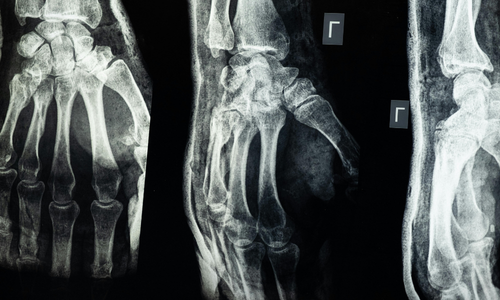
Ask NJS

For fast, friendly affordable legal advice. Contact a member of our team today.

FAQ

For any questions we may be able to answer, discover our FAQ section.

Categories
Personal Injury

Personal Injury Claims: A Complete Step-by-Step Guide

Personal Injury Claims A Step-by-Step Guide

LEGAL GUIDE · ENGLAND & WALES

April 2026

Hurt through someone else’s negligence? Understand your rights, the claims process, and what compensation you could receive — explained clearly by NJS Law.

What Is a Personal Injury Claim?

personal injury claim is a legal process that allows someone who has been hurt through another party’s negligence to seek financial compensation. In England and Wales, claims arise from road traffic accidentsworkplace incidentsslips and trips in public places, defective products, and any situation where a duty of care was breached and that breach caused avoidable harm.

Many people delay seeking advice because they are unsure whether their injury is “serious enough,” worry about the legal process, or feel uncomfortable placing blame. In reality, personal injury claims exist to promote accountability, support rehabilitation, and ensure injured individuals are not left carrying the financial consequences of harm that could have been prevented.

Personal injury claims are not about blaming someone for an unavoidable accident.
They are about whether your injury could reasonably have been prevented — and ensuring you are not left to bear those consequences alone.

Why Every Claim Is Different

No two personal injury cases are identical. Injuries may not present immediately — particularly soft-tissue injuries, back or neck problems, and psychological conditions. Symptoms can worsen over time, and the full extent of harm may not be clear for weeks or months after the original incident. Liability may be disputed. Evidence may be limited. These factors mean that personal injury law is, at its core, deeply outcome-sensitive.

An injury that initially seems minor can develop
into long-term pain, restricted movement,
or psychological symptoms.

Not sure where to start?

Download our free Personal Injury Claims Guide 

NJS Law handles all types of personal injury claims. Explore our specialist services:

Step 1 - Protect Your Health and Build the Medical Paper Trail

Your health is the first and most important priority. Seek medical attention as soon as possible after an accident — not just for your wellbeing, but because contemporaneous medical records form the evidential backbone of any personal injury claim.

Why Medical Records Are Critical

Personal injury claims rely heavily on contemporaneous medical documentation. Your records establish a precise timeline of when symptoms were first reported, how the injuries were described at the time, whether those symptoms are consistent with the incident, and how recovery has progressed.

  • Visit your GP or A&E immediately and describe all symptoms accurately
  • Explicitly mention the accident and link any symptoms to it
  • Attend all follow-up appointments and record any changes
  • Request copies of consultation notes and referral letters
  • Keep all prescriptions and receipts for medical expenses

What If Symptoms Appear Later?

Delayed symptoms are common, particularly where adrenaline initially masks pain, or where injuries involve the neck, back, or joints. Psychological symptoms — including anxiety, PTSD, and depression — frequently develop in the days and weeks following an incident. Delayed symptoms do not invalidate a claim, provided the medical evidence clearly links those symptoms to the original accident. invalidate a claim, provided medical evidence clearly links those symptoms to the original accident.

⏰ Time limit alert: 

You generally have 3 years from the date of your accident — or from when you first connected your injury to negligence — to start legal proceedings. Don’t delay. Contact NJS Law today for a free assessment.

Alongside formal medical records, a personal recovery diary is a powerful evidential tool. Record daily pain levels, sleep disturbance, fatigue, emotional changes, tasks you can no longer perform, and the impact on work, childcare, and independence. This diary demonstrates the real, day-to-day human cost of the injury — not just the clinical diagnosis.

Step 2 - Gathering Evidence That Supports Your Claim

You are not expected to investigate your own case or confront anyone involved. However, evidence already within your reach can significantly strengthen a claim. Your solicitor will gather further documentation once instructed — your role is simply to preserve what you have.

Photographs, Video and CCTV

Visual evidence is among the most persuasive in personal injury claims. Take photographs of visible injuries at different stages of healing, the accident location and any hazards present, damage to vehicles or equipment, and any defects that caused or contributed to the incident. Take serial photographs to show progression or worsening over time.

Accident Reports and Official Documentation

Depending on the circumstances, relevant documentation may include workplace accident book entries, RIDDOR reports filed by an employer, health and safety records, police reference numbers (for road traffic accidents), and any correspondence with insurers. These records often reveal critical details about how and why an incident occurred.

Witness Evidence

Witnesses may include colleagues or supervisors, bystanders who saw the accident occur, or friends and family who observed your recovery. Independent witnesses carry particular weight, but accounts from loved ones who can describe your day-to-day limitations remain relevant and admissible.

Financial Losses and Expenses

From the outset, keep detailed records of all costs linked to your injury — these form part of your compensation claim:

  • Loss of earnings or reduced income while recovering
  • Medical expenses, prescriptions, and private treatment costs
  • Travel and parking costs for medical appointments
  • Care or domestic assistance required because of your injury
  • Equipment, adaptations, and mobility aids

Speak to a specialist solicitor today

Free, confidential, no obligation

Step 3 - Can You Claim? Negligence, Fault, and Time Limits

Not every accident gives rise to a valid legal claim. To succeed in a personal injury claim, three legal elements must be established: duty of carebreach, and causation.

The Three Legal Tests Explained

1. Duty of Care

The person, company, or organisation responsible had a legal obligation to take reasonable steps to prevent foreseeable harm. Employers owe this duty to employees; drivers owe it to other road users; occupiers owe it to visitors on their premises.

2. Breach of Duty

That duty was not fulfilled. A breach might involve unsafe systems of work, poor or absent training, failure to carry out safety inspections, ignoring known hazards, or defective maintenance of vehicles or premises.

3. Causation

The breach caused your injury — or made an existing condition materially worse. In other words, the injury would not have occurred, or would have been significantly less severe, if proper care had been taken.

Contributory negligence: You can still pursue a claim even if you were partly responsible for the accident. Compensation may be reduced to reflect your share of fault, but partial fault does not automatically bar a claim.

The 3-Year Limitation Period

In most personal injury cases in England and Wales, court proceedings must be issued within three years of the date of the accident — or from the “date of knowledge,” meaning the date you first became aware your injury was linked to negligence. Important exceptions apply for children (time does not run until their 18th birthday), individuals lacking mental capacity, and cases involving industrial diseases where symptoms emerge gradually. Legal advice should always be sought even if time appears to have passed.

Common Types of Personal Injury Claim

NJS Law regularly acts for clients in a wide range of personal injury claims, including:

We also specialise in representing clients who have suffered serious and life-changing injuries, ensuring access to the expert rehabilitation and support they need.

Step 4 - Starting the Claim and Understanding Legal Costs

Once you instruct a solicitor, they take full responsibility for progressing the claim. Your role is simply to explain what happened and provide whatever documentation you hold. You do not need to prepare a legal case yourself.

The Initial Consultation

During your first conversation with NJS Law, your solicitor will ask about how the accident occurred, the nature and progression of your injuries, and any documents or evidence already available. This consultation is confidential and does not commit you to pursuing a claim. Many clients simply want clarity — to understand whether what happened to them was avoidable and what options exist.

No Win No Fee — How It Works

The vast majority of personal injury claims in England and Wales are funded under a Conditional Fee Agreement — commonly known as No Win No Fee. This means:

  • No upfront legal costs whatsoever
  • No legal fees payable if the claim does not succeed
  • A capped deduction from compensation only if the claim wins

All funding terms, deductions, and any insurance arrangements are explained clearly before you proceed. There are no hidden costs and no surprises.

The Pre-Action Protocol

Once instructed, your solicitor will follow the Pre-Action Protocol for Personal Injury Claims, a structured process designed to encourage early resolution and fair exchange of information. This involves obtaining medical records and accident documentation, sending a formal Letter of Claim to the defendant, instructing independent medical experts, and allowing the defendant a defined period to investigate and respond. Many claims resolve at this stage, without the need for court proceedings.

Receive expert legal guidance today

Confidential, considered, no obligation

Step 5 - Medical Evidence, Valuation, and Compensation

Independent medical evidence is central to the valuation of any personal injury claim. Your solicitor will instruct a specialist medical expert — chosen for their relevant expertise and independence — to prepare a report specific to your circumstances.

What Medical Experts Assess

  • The severity of your injuries and their effect on physical and mental wellbeing
  • Whether your recovery is complete, ongoing, or likely to remain incomplete
  • The long-term prognosis, including any permanent restrictions
  • Future treatment, rehabilitation, or support you are likely to require

How Compensation Is Calculated

Compensation in personal injury claims is divided into two categories:

Type What It Covers Examples
General Damages Pain, suffering, and loss of amenity Physical pain, psychological distress, inability to enjoy activities
Special Damages Financial losses — past and future Lost earnings, medical costs, travel, care, equipment, adaptations
Future Losses Ongoing consequences of serious injury Future treatment, loss of future earnings, long-term care needs

Interim Payments

Where liability is admitted at an early stage, interim payments may be available before the claim concludes. These can help fund private treatment, physiotherapy, or psychological support, and relieve financial pressure while the full extent of the claim is assessed.

Step 6 - Settlement, Court, and Timescales

How Long Does a Personal Injury Claim Take?

Timescales depend on the complexity of the claim, the severity of the injury, and how quickly liability is resolved and negotiated. As a general guide:

01 -Straightforward Claims

Around 12–18 months. Clear liability, defined injuries, predictable recovery.

02 -Complex Claims

2–3 years or more. Serious injuries, disputed responsibility, ongoing treatment.

03 -Serious Injury

Potentially longer — the full long-term impact must be understood before concluding.

The Claim Journey: From Accident to Settlement

Accident & Immediate Action

Seek medical attention. Preserve evidence. Contact NJS Law for an initial assessment.

Evidence Gathering & Letter of Claim

Solicitor obtains records, instructs experts, and formally notifies the defendant.

Medical Assessment

Independent expert examines you and provides a detailed report on injury and prognosis.

Defendant Investigation

The defendant (or their insurer) investigates and responds, admitting or disputing liability.

Negotiation

Your solicitor negotiates a fair settlement based on medical evidence and financial losses.

Settlement & Payment

Compensation is paid — typically within weeks of agreement — directly to you.

Will You Have to Go to Court?

Very rarely. The vast majority of personal injury claims in England and Wales settle before trial. If a case does proceed to a hearing, NJS Law will prepare and support you fully throughout the process. A denial of liability by the defendant does not mean a claim will fail — further evidence can be obtained and many disputed cases settle with continued negotiation.

Start your claim with a specialist solicitor

Free, confidential, no obligation

Step 7 - What Compensation Can You Receive?

The value of a personal injury claim depends on the severity and duration of the injury, its impact on daily life and earning capacity, and the financial losses incurred both before and after the claim is resolved. Your solicitor will provide a compensation assessment once medical evidence is available.

Compensation May Cover:

  • Pain, suffering, and loss of amenity (general damages)
  • Past and future loss of earnings and pension contributions
  • Medical treatment, prescriptions, and rehabilitation
  • Travel and parking for appointments
  • Care and domestic assistance provided by family or professionals
  • Equipment, home adaptations, and mobility aids
  • Psychological support and therapy

Where injuries have long-term or permanent consequences, compensation for future losses can form the most significant element of a claim — particularly where earning capacity is affected.

Want a copy to keep?

Download the NJS Law Personal Injury Claims Guide as a free PDF

Frequently Asked Questions About Personal Injury Claims

What counts as a personal injury claim?

A personal injury claim arises when you suffer harm because another person, employer, business, or organisation failed to take reasonable steps to prevent foreseeable harm. This might involve unsafe working conditions, poor vehicle maintenance, lack of training, failure to address known hazards, or negligent driving. The claim is about whether your injury could reasonably have been prevented — not about blame for a genuinely unavoidable accident.

In most cases, court proceedings must be started within three years of the date of the accident, or from the date you first became aware that your injury was linked to negligence (known as the “date of knowledge”). Important exceptions apply for children, those lacking mental capacity, and gradually developing conditions. Advice should always be sought even if you think time has passed.

Yes. Partial fault does not automatically prevent a claim. Under the principle of contributory negligence, compensation may be reduced proportionally to reflect your share of responsibility — but a valid claim can still be brought and resolved.

Delayed symptoms are very common in personal injury cases, particularly for soft-tissue injuries, back and neck conditions, and psychological reactions. Provided medical evidence supports the link between your symptoms and the original incident, delayed presentation does not invalidate your claim. Seek medical advice promptly and ensure the connection to the accident is recorded in your notes.

Witnesses are helpful but not essential. Liability can often be established using accident records, photographs, CCTV, expert opinion, and circumstantial evidence. Similarly, failing to report an accident at the time does not automatically prevent a claim — it may make evidence gathering more challenging, but medical records and other documentation can still support your case.

A No Win No Fee agreement (formally called a Conditional Fee Agreement) means there are no upfront legal costs, no fees to pay if the claim is unsuccessful, and a capped deduction from your compensation only if the claim succeeds. All terms are explained clearly before you proceed.

Yes. Where liability is admitted, interim payments can be made before the final settlement. These can help fund treatment, physiotherapy, or cover financial pressures while the claim continues.

Yes. Claims can be brought on behalf of a child, a family member, or someone who lacks mental capacity. In the case of children, the three-year limitation period does not begin until their 18th birthday. Your solicitor can advise on the appropriate procedure.

Ready to Understand Your Options?

A confidential conversation with NJS Law costs nothing and commits you to nothing.
We will tell you honestly whether you have a claim worth pursuing.

This guide is provided for general information purposes only and does not constitute legal advice. The information reflects personal injury law in England and Wales. For advice specific to your circumstances, please contact NJS Law directly.

CONTACT US

Get in touch using the form below or via the following methods:

Ask NJS

For fast, friendly affordable legal advice. Contact a member of our team today.

FAQ

For any questions we may be able to answer, discover our FAQ section.

Categories
Medical Negligence Private Hospital Negligence

Were You a Patient of Surgeon Leslie Irwin? You May Have a Claim

Important: Spire Washington Hospital is contacting former patients of Mr Leslie Irwin. If you have not yet been contacted and had surgery with Mr Irwin, speak to our medical negligence team today.

Were You a Patient of Surgeon Leslie Irwin - You May Have A Claim

MEDICAL NEGLIGENCE UPDATE — 2026

April 2026

Dozens of patients treated at Spire Washington Hospital and Sunderland Royal Hospital have been recalled following serious concerns about unnecessary and harmful orthopaedic surgery.

NJS Law’s medical negligence team is here to help you understand your rights

22+

Years practising at Spire Washington

50+

Patients potentially affected

2023

Suspended by Spire Healthcare

£0

Upfront cost — No Win, No Fee

What Has Happened?

A growing number of patients who received orthopaedic surgery from consultant surgeon Leslie Irwin are now coming forward with serious concerns about the treatment they received. Mr Irwin practised at Spire Washington Hospital and Sunderland Royal Hospital (South Tyneside and Sunderland NHS Foundation Trust) between 2001 and 2023, specialising in hand, wrist, elbow, shoulder and upper limb surgery.

Investigations by Spire Healthcare — and media reporting by ITV Tyne Tees, the Sunderland Echo and others — have revealed that some patients underwent operations that were clinically unnecessary, carried out to a poor technical standard, and left them with lasting pain, reduced mobility and a significantly reduced quality of life.

“I thought he was saving us. I thought the man could walk on water.”

— David Render, patient of Leslie Irwin, speaking to ITV Tyne Tees, February 2026

One patient, David Render from Washington, underwent a series of operations on his hands, wrists and elbows over four years. An independent review by Spire concluded that his first procedure had caused thermal damage to his wrist, that a second procedure had no clinical justification, and that screws placed in his fingers were poorly positioned. He now lives with constant pain and is unable to pursue hobbies he once loved.

A Timeline of Events

2001 – 2022

Mr Irwin works as a consultant orthopaedic surgeon at South Tyneside and Sunderland NHS Foundation Trust (Sunderland Royal Hospital) and Spire Washington Hospital.

May 2022

Mr Irwin retires from NHS practice at South Tyneside and Sunderland NHS Foundation Trust.

August 2023

Spire Healthcare suspends Mr Irwin from practising at all its hospitals.

September 2024

Spire Healthcare formally withdraws Mr Irwin’s practising privileges across all its sites.

May 2025

Mr Irwin relinquishes his registration with the General Medical Council (GMC). He is no longer a registered doctor.

Summer 2025

Spire Healthcare launches a review of specific procedures under NHS England’s National Quality Board Recall Framework, contacting a select cohort of former patients.

October 2025

The Care Quality Commission (CQC) inspects Spire Washington Hospital in response to rising concerns. Its report is expected imminently.

January – March 2026

ITV Tyne Tees, the Sunderland Echo and national legal publications report that more than 50 patients are potentially affected. Legal firms across the North East begin taking on cases.

The Scale of the Concern

While the full extent of Mr Irwin’s alleged misconduct is still being assessed, early indications are deeply troubling. It is understood that more than 50 patients may have been affected. Some patients underwent operations across multiple body areas — including hand, wrist, hip and shoulder surgery — sometimes spread across decades of care.

Legal sources have noted patterns consistent with systematic over-treatment: repeat surgeries that had no clinical indication, procedures outside Mr Irwin’s core speciality, and outcomes that left patients significantly worse off than before they sought help.

Mr Irwin’s name has been placed on a recall list alongside four other surgeons whose patients have been recalled nationally — a list that includes disgraced breast surgeon Ian Paterson, currently serving a 20-year custodial sentence.

⚠ Important: Time Limits Apply

In England, medical negligence claims must generally be brought within three years of the date you first became aware — or reasonably ought to have become aware — that you suffered harm. Many former patients of Mr Irwin are only now discovering that their treatment was substandard. Do not delay in seeking legal advice.

Who May Have Been Affected?

You may have a potential claim if you received surgery from Mr Leslie Irwin and experienced any of the following:

  • Surgery that you were later told was unnecessary or lacked clinical justification
  • Ongoing pain, reduced function or deterioration following your procedure
  • Repeat operations on the same joint or area that did not improve — or worsened — your condition
  • Contact from Spire Washington Hospital asking for your feedback or informing you of a review
  • Operations carried out on areas outside the scope of your original referral (e.g. hip or shoulder surgery from a hand specialist)
  • A procedure carried out to an apparently poor technical standard, such as misplaced fixings or implants

Surgeries of concern include — but are not limited to — operations on the hand, wrist, fingers, elbow, shoulder and hip. Both NHS-referred patients and those treated privately are potentially included.

Can I Still Make a Claim?

Yes. Although Mr Irwin has surrendered his GMC registration and is no longer practising, civil medical negligence claims can still be pursued against Spire Healthcare as the employing hospital, and against South Tyneside and Sunderland NHS Foundation Trust for any NHS-funded treatment.

The fact that Spire Healthcare has already issued formal apologies to some patients and acknowledged poor standards of care strengthens the foundation upon which many claims will be built. Spire’s own review under the NHS England National Quality Board Recall Framework is an acknowledgement that serious concerns exist.

Importantly, because many patients are only now learning that their surgeries were substandard, the legal “clock” for limitation purposes may not have started until recently — meaning claims that might otherwise appear time-barred could still be viable. Specialist legal advice is essential.

What Compensation Could I Receive?

Compensation in medical negligence cases typically reflects the full impact of the harm caused, including:

  • General damages for pain, suffering and loss of amenity
  • The cost of corrective surgery or further treatment
  • Loss of earnings if you have been unable to work
  • Care costs, adaptations and equipment
  • Psychological harm, including anxiety and loss of trust
  • Travel and other out-of-pocket expenses

Each case is unique, and the value of a claim will depend on the severity of the harm suffered, the treatment required and the long-term prognosis. Our specialist solicitors at NJS Law will provide a clear and honest assessment from the outset.

Not sure if your claim qualifies?

 Get a free, no-obligation assessment today.

Frequently Asked Questions

Who is Leslie Irwin and where did he work?

Leslie Irwin was a consultant orthopaedic surgeon specialising in hand and wrist surgery. He worked at Sunderland Royal Hospital (South Tyneside and Sunderland NHS Foundation Trust) and Spire Washington Hospital in Washington, Tyne and Wear, between 2001 and 2022/2023. He gave up his GMC registration in May 2025.

Not necessarily. Spire’s review is described as covering a “select cohort” of patients, and it is not yet clear how comprehensive the recall process is. If you had surgery with Mr Irwin and have concerns, you should seek independent legal advice regardless of whether Spire has been in touch.

Medical negligence claims involving multiple experts and institutional defendants can take time to resolve. However, the fact that Spire has already acknowledged concerns about Mr Irwin’s practice may assist in the process. Your solicitor will be able to provide a realistic timeframe once they understand the facts of your case.

The success fee is capped by law on your general damages and past financial losses under It means there is no financial risk to you. If your claim is unsuccessful, you pay nothing. If it succeeds, a percentage of your compensation will cover legal fees. NJS Law will explain all the terms clearly before you proceed.

Yes. Many patients were referred to Mr Irwin via the NHS. Claims can be made against the NHS Trust responsible for the referral and treatment, in addition to or instead of Spire Healthcare. Both routes are open to affected patients.

Don’t Wait — Get Expert Advice Today

Time limits apply to medical negligence claims.

If you have any concerns about treatment you received from Mr Leslie Irwin, contact NJS Law’s medical negligence solicitors now for a free, confidential consultation.

CONTACT US

If you or a loved one received treatment from Mr Leslie Irwin, speak to our specialist medical negligence team today — completely free and with no obligation.

Ask NJS

For fast, friendly affordable legal advice. Contact a member of our team today.

FAQ

For any questions we may be able to answer, discover our FAQ section.

Categories
Road Traffic Accident

No Win No Fee Car Accident Claims — How Does It Work

No Win No Fee Car Accident Claims — How Does It Work

LEGAL GUIDE · CAR ACCIDENT CLAIMS

April 2026

How Conditional Fee Agreements work for car accident claims, what you pay if you win or lose, ATE insurance, success fees and everything you need to know before you sign.

Direct Answer

No Win No Fee car accident claim is funded through a Conditional Fee Agreement (CFA). You pay nothing upfront and nothing at all if you lose. If you win, a legally capped success fee is deducted from your compensation — agreed in writing before your claim begins. ATE insurance protects you against the defendant’s costs if the claim fails. This arrangement means you can pursue a legitimate car accident claim without any financial risk, regardless of your financial situation.

Table of Contents

The cost of legal representation is one of the most common reasons people hesitate before making a No Win No Fee car accident claim. The fear of a large solicitor’s bill — particularly if the claim is unsuccessful — stops many people from pursuing compensation they are fully entitled to. No Win No Fee funding exists precisely to remove that barrier. This guide explains exactly how it works for car accident claims in the UK — what you will and will not pay, how the CFA protects you, and what to look for before you sign anything.

What Is No Win No Fee?

No Win No Fee is the common name for a funding arrangement in which your solicitor agrees to represent you without charging any upfront legal fees. If your claim is unsuccessful, your solicitor writes off their fees and you pay nothing. If your claim succeeds, a pre-agreed percentage of your compensation — the success fee — is deducted to cover your solicitor’s costs.

The formal legal name is a Conditional Fee Agreement (CFA) — the fee is conditional on the outcome of your claim. CFAs are governed by the Courts and Legal Services Act 1990, as amended by the Legal Aid, Sentencing and Punishment of Offenders Act 2012 (LASPO), and the Conditional Fee Agreements Order 2013.

How widespread is No Win No Fee? According to Ministry of Justice data, over 90% of personal injury claims in England and Wales — including car accident claims — are now funded on a No Win No Fee basis. It is the standard and most accessible funding model for this type of claim.

What Is a Conditional Fee Agreement (CFA)?

A Conditional Fee Agreement is a written, legally binding contract between you and your solicitor. It must be put in place before your solicitor begins work on your claim, and it must clearly set out:

  • The work your solicitor will carry out on your behalf
  • The circumstances in which the success fee becomes payable
  • The success fee percentage and how it is calculated
  • What happens if you lose, withdraw from, or breach the agreement
  • How disbursements — such as expert report fees and court fees — are handled
  • Your 14-day right to cancel without penalty

The CFA is not a casual arrangement. It is a formal legal document and you should read it carefully before signing. A reputable firm will take the time to explain every term and welcome any questions you have before you commit.

The alignment of interests: Because your solicitor’s success fee is linked to your compensation outcome, they have a direct financial interest in maximising your award. The higher your compensation, the higher their fee. This means your solicitor is always working toward the best possible result for you — not simply toward any settlement.


What You Pay If You Win — and If You Lose

🏆 If Your Car Accident Claim Succeeds

  • You receive your compensation award
  • A legally capped success fee is deducted from your general damages and past losses
  • Future losses — future earnings and future treatment costs — are paid to you in full and not subject to any deduction
  • The ATE insurance premium is typically deducted from your compensation
  • The defendant pays the majority of your solicitor’s base legal costs
  • You keep the legally protected majority of your general damages and past losses

🛡️ If Your Car Accident Claim Is Unsuccessful

  • You pay nothing to your solicitor — their fees are written off under the CFA
  • ATE insurance covers the defendant’s legal costs and any disbursements
  • You are not left with any legal bill, provided you have complied with the CFA terms
  • No success fee is payable — it only arises if you win
⚠️ Important exception

The protection from costs if you lose is conditional on you complying with the terms of your CFA throughout the claim. If you fail to attend a medical examination, deliberately mislead your solicitor, or reject a reasonable settlement offer against your solicitor’s advice, you may become liable for some costs. Your solicitor must explain these terms clearly before you sign.

The Success Fee — What It Is and How It Is Capped

The success fee is the additional amount your solicitor charges on top of their basic costs when your claim succeeds. It reflects the financial risk they took by acting for you with no guarantee of payment. In road traffic accident claims, the success fee is capped by law on your:

  • General damages — compensation for pain, suffering and loss of amenity
  • Past financial losses — special damages already incurred at the time of settlement

It does not apply to future financial losses. Future lost earnings, future treatment costs and any other future financial losses are paid to you in full and are entirely outside the success fee calculation. This is a significant protection — particularly in serious injury claims where future losses can substantially exceed the general damages award.

The Jackson uplift — how it partially offsets the success fee

When the 2013 Jackson Reforms moved the success fee from the losing defendant to the winning claimant, general damages in CFA-funded claims were simultaneously increased by 10% across the board. This uplift — applied automatically to all CFA-funded car accident claims — was introduced specifically to partially offset the impact of the success fee deduction on claimants’ compensation.

💡 The key protection

The cap on success fees is set by the Conditional Fee Agreements Order 2013 and cannot be overridden by any individual agreement. No matter what a CFA says, your solicitor cannot legally deduct more than the capped amount from your general damages and past losses. If any agreement appears to go beyond this, do not sign it without seeking independent advice.

After-the-Event (ATE) Insurance — Your Financial Safety Net

ATE insurance is a policy taken out after the car accident has occurred — hence “after the event.” It protects you against the financial risk of having to pay the defendant’s legal costs and disbursements if your claim is unsuccessful. In a car accident claim, this can include:

  • The defendant’s solicitor’s costs if your claim fails at court
  • Expert report fees — medical experts and accident reconstruction specialists can be expensive
  • Court fees if proceedings are issued
  • Barrister fees if your claim goes to a hearing
  • Any other disbursements incurred during the claim

What ATE insurance costs

If your claim succeeds, the ATE premium is typically deducted from your compensation at the conclusion of the case. If your claim fails, the ATE insurer pays and you pay nothing. The premium varies depending on the complexity and value of your claim — your solicitor will arrange it on your behalf and explain the expected premium before the policy is taken out.

Do You Already Have Legal Expenses Cover?

Before ATE insurance is arranged, it is worth checking whether you already have legal expenses cover that could fund your car accident claim. This is often referred to as Before the Event (BTE) insurance and is frequently included — sometimes without the policyholder’s knowledge — as part of:

  • Your motor insurance policy — many policies include legal expenses cover as a standard or optional extra
  • Your home contents insurance — often includes legal expenses cover for personal injury claims
  • bank account benefit — packaged bank accounts frequently include legal expenses insurance among their benefits
  • Trade union membership — some unions provide legal support for personal injury claims on behalf of members

If you have existing BTE cover, it may be possible to fund your claim through it — which can reduce or eliminate the deduction from your compensation. Tell your solicitor about any existing policies at your first consultation so they can assess whether BTE cover is available and appropriate for your claim.

When Do You Need a No Win No Fee Solicitor for a Car Accident Claim?

For straightforward, low-value whiplash claims worth under £5,000, the Official Injury Claim (OIC) portal allows unrepresented claimants to proceed without a solicitor at no cost. However, there are many situations where No Win No Fee solicitor representation makes a significant difference to the outcome of your claim.

⚖️ Disputed Liability

The other driver or their insurer is denying responsibility for the accident. A solicitor gathers evidence, instructs experts and argues the case on your behalf.

🤕 Serious or Complex Injuries

Where your injuries are significant — head injuries, spinal injuries, multiple fractures or long-term disability — a solicitor ensures all heads of loss are properly identified and maximised.

💼 Significant Financial Losses

Where you have lost substantial earnings, required expensive treatment or face ongoing financial consequences, a solicitor ensures your special damages are fully evidenced and recovered.

🤝 Low Insurer Offer

An insurer has made an offer that you suspect undervalues your claim. A solicitor can assess whether the offer is fair and negotiate aggressively on your behalf.

🔀 Mixed or Additional Injuries

Where you suffered injuries in addition to whiplash — such as a knee injury, shoulder injury or psychological harm — a solicitor ensures each injury is correctly identified and valued.

🧠 Psychological Harm

PTSD, driving phobia, anxiety and depression following a car accident are fully compensable but frequently overlooked by unrepresented claimants and initial insurer assessments.

Will My Car Accident Claim Be Accepted on No Win No Fee?

Solicitors only offer a CFA if they assess your claim has a reasonable prospect of success — typically meaning prospects of 51% or higher. Because they act without any guaranteed payment, they take on real financial risk in accepting your case.

To assess your claim, a solicitor will consider whether:

  • Another road user owed you a duty of care — universal for all car accident victims
  • That duty was breached through negligent, careless or reckless driving
  • The breach caused or contributed to your injury
  • Your injuries are sufficiently serious to justify the cost of the claim
  • Your claim falls within the three-year limitation period under the Limitation Act 1980
  • There is a realistic prospect of recovering compensation that exceeds the cost of pursuing the claim

Not sure if your claim qualifies?

 Get a free, no-obligation assessment today.

The No Win No Fee Car Accident Claim Process — Step by Step

1. Free Initial Consultation

You speak with a specialist road traffic accident solicitor at no cost and with no obligation. They assess your claim, explain your options and answer your questions. This is your opportunity to decide whether the firm is the right fit for you.

2. Case Assessment and CFA Offered

If the solicitor assesses your claim as having good prospects, they offer you a Conditional Fee Agreement. They explain every term — including the success fee, ATE insurance and what happens if the claim fails — before you sign. You have 14 days to cancel without penalty.

3. ATE Insurance Arranged

ATE insurance is put in place to protect you against the defendant’s costs if the claim is unsuccessful. Your solicitor arranges this on your behalf. If you have existing legal expenses cover, your solicitor will assess whether it is suitable before arranging ATE.

4. Evidence Gathered

Your solicitor obtains your medical records, arranges an independent medical examination, and compiles all evidence to support your claim — including any CCTV or dashcam footage, witness statements, police reports and financial documentation.

5. Claim Submitted to the Insurer

Your solicitor formally notifies the defendant’s insurer of your claim. For low-value whiplash claims, this may go through the OIC portal. For higher-value or more complex claims, the Pre-Action Protocol for Personal Injury applies, giving the insurer time to investigate and respond.

6. Negotiation and Settlement

Your solicitor negotiates aggressively on your behalf to achieve the maximum appropriate compensation. Most car accident claims settle through negotiation without court proceedings. Your solicitor will advise you clearly on whether any offer made is fair and reasonable.

7. Compensation Paid

Once a settlement is agreed, your compensation is paid. The success fee and ATE premium are deducted from the relevant portion of your award. Your solicitor provides a clear breakdown of all deductions and the remaining balance is paid directly to you.

Questions to Ask Before Signing a No Win No Fee Agreement

Ask your solicitor these questions before signing any CFA

  • What is your assessment of my prospects of success and why?
  • What is the exact success fee and what portion of my compensation does it apply to?
  • What happens to disbursements if my claim is unsuccessful?
  • What is the estimated ATE insurance premium and when is it payable?
  • Are there any circumstances in which I might owe costs even if I lose?
  • What are the specific circumstances in which I could be in breach of the CFA?
  • What is your estimate of how long my claim will take?
  • Who will be handling my case day to day and how will you communicate with me?
  • Are you authorised and regulated by the Solicitors Regulation Authority?

A reputable, specialist firm will answer all of these questions clearly, in writing, and without hesitation. If a firm is evasive, rushes you through the agreement or discourages questions, treat this as a warning sign.

Can I Cancel a No Win No Fee Agreement?

Yes. Under consumer protection law you have a 14-day cooling-off period from the date you sign the CFA during which you can cancel without incurring any fees or costs. This applies regardless of the individual terms of the agreement.

After the 14-day period, cancellation may result in liability for costs already incurred — such as disbursements paid to medical experts. The exact position depends on the specific CFA terms, which your solicitor must explain clearly before you sign. If you are considering cancelling, speak to your solicitor first — they may be able to address your concerns without the need to terminate the agreement entirely.

Why Make Your No Win No Fee Car Accident Claim with NJS Law?

At NJS Law, all car accident claims are accepted on a No Win No Fee basis. You will never be asked to pay anything upfront, and if your claim is unsuccessful, you pay nothing. Our specialist road traffic accident team will:

  • Assess your claim honestly and in full during a free initial consultation
  • Explain the CFA terms clearly — including the success fee, ATE insurance and your protections — before asking you to sign anything
  • Check whether existing legal expenses cover is available before arranging ATE insurance
  • Handle all evidence gathering — medical records, expert reports, CCTV and dashcam footage, witness statements and financial documentation
  • Identify all heads of loss — including psychological harm and future losses that unrepresented claimants frequently miss
  • Negotiate aggressively with the defendant’s insurer to achieve the maximum appropriate award
  • Only pursue court proceedings where necessary and where prospects justify it
  • Keep you informed at every stage of your claim

We are authorised and regulated by the Solicitors Regulation Authority. For further detail on how No Win No Fee agreements work in personal injury law, see our full guide to No Win No Fee claims.

Frequently Asked Questions - No Win No Fee Car Accident Claims — How Does It Work?

How does No Win No Fee work for a car accident claim?

A No Win No Fee car accident claim is funded through a Conditional Fee Agreement (CFA). You pay nothing upfront and nothing at all if your claim is unsuccessful. If your claim succeeds, a legally capped success fee is deducted from your compensation — agreed in writing before your claim begins. ATE insurance protects you against the defendant’s costs if the claim fails.

A CFA is the formal written contract between you and your solicitor that underpins the No Win No Fee arrangement. It sets out the success fee, what happens if you lose, and any disbursements. It is governed by the Courts and Legal Services Act 1990 and the Conditional Fee Agreements Order 2013. You have 14 days to cancel without penalty after signing.

Nothing — provided you have complied with the terms of your CFA. Your solicitor writes off their fees. ATE insurance covers the defendant’s costs and disbursements. The only exception is if you have breached the CFA terms, for example by failing to attend a medical examination.

The success fee is capped by law on your general damages and past financial losses under the Conditional Fee Agreements Order 2013. The exact amount is agreed before signing. Future losses — future earnings and future treatment costs — are not subject to the deduction and are paid to you in full. The Jackson uplift also increased general damages by 10% in CFA-funded claims to partially offset the success fee.

ATE insurance protects you against having to pay the defendant’s costs and disbursements if your claim fails. Your solicitor arranges it on your behalf. If your claim succeeds, the premium is deducted from your compensation. If it fails, the insurer pays. Before arranging ATE, check whether your existing car or home insurance includes legal expenses cover.

Solicitors will only offer a CFA if they assess your claim has reasonable prospects of success — typically 51% or higher. They review whether another driver breached their duty of care, caused your injury and whether your losses are quantifiable. A free initial consultation will give you a clear picture of your prospects.

Yes. Under consumer law you have a 14-day cooling-off period during which you can cancel without any fees. After this period, cancellation may result in liability for costs already incurred. Your solicitor must explain the cancellation terms clearly before you sign.

For straightforward low-value whiplash claims under £5,000 you can use the OIC portal without a solicitor. However, for any claim involving more serious injuries, disputed liability, additional injuries, significant financial losses or an unreasonably low insurer offer, No Win No Fee solicitor representation significantly improves your outcome.

Start Your No Win No Fee Car Accident Claim Today

Our team of specialist road traffic accident solicitors offers a free, no-obligation consultation. We will assess your claim, explain exactly how No Win No Fee works for your specific circumstances, and handle everything on your behalf — with no upfront cost and no financial risk.

Legal disclaimer: This article is for general informational purposes only and does not constitute legal advice. The terms of individual Conditional Fee Agreements vary between firms. You should read any CFA carefully and seek clarification on any term before signing. This guide reflects the law in England and Wales as at April 2026. Different rules may apply in Scotland and Northern Ireland.

CONTACT US

Get in touch using the form below or via the following methods:

Ask NJS

For fast, friendly affordable legal advice. Contact a member of our team today.

FAQ

For any questions we may be able to answer, discover our FAQ section.

Categories
Road Traffic Accident

Soft Tissue Injury Claims After a Car Accident

Soft Tissue Injury Claims After a Car Accident

LEGAL GUIDE · CAR ACCIDENT CLAIMS

April 2026

What counts as a soft tissue injury, whether you use the whiplash tariff or the JCG, what compensation you can receive, and how to build the strongest possible claim.

Direct Answer

Yes — you can claim for a soft tissue injury after a car accident that was not your fault. Whether your claim is valued using the fixed whiplash tariff (for neck, back or shoulder soft tissue injuries lasting up to two years) or the Judicial College Guidelines (for all other soft tissue injuries or those lasting more than two years) depends on the nature and location of your injury. Compensation covers both general damages for pain and suffering and special damages for financial losses.

Table of Contents

Soft tissue injury claims are the most common type of personal injury claim arising from car accidents in the UK. They range from minor strains that resolve within weeks to serious ligament tears, chronic pain conditions and long-term disability requiring ongoing treatment. If your soft tissue injury was caused by a car accident that was not your fault, you have the right to claim compensation — but the route your claim takes and the amount you can receive depends critically on the nature and location of your injury.

This guide explains what soft tissue injuries are, how they are valued under the two different legal frameworks that now apply in England and Wales, what compensation you can claim, and what evidence you will need to build the strongest possible case.

What Is a Soft Tissue Injury?

A soft tissue injury is damage to the non-bony components of the musculoskeletal system — specifically the muscles, tendons and ligaments that connect, support and stabilise the skeleton. Unlike fractures or dislocations, soft tissue injuries do not involve damage to bone. They can, however, be just as painful and disabling as bone injuries and often take as long — or longer — to heal.

In the context of a car accident, soft tissue injuries most commonly result from the sudden forces exerted on the body during a collision — the rapid acceleration and deceleration that causes muscles and ligaments to overstretch, tear or be crushed. The neck, back, shoulder and knee are the most frequently affected areas.

An important legal distinction: Under the Civil Liability Act 2018, the term “whiplash injury” has a specific legal definition — a soft tissue injury (sprain, strain, tear, rupture or associated damage) to the neck, back or shoulder caused by a road traffic accident. This definition determines which compensation framework applies to your claim. Not all soft tissue car accident injuries are legally “whiplash” — and those that are not attract different and often higher compensation.

Types of Soft Tissue Injury from Car Accidents

🔄 Whiplash

A specific soft tissue injury to the neck caused by the sudden forward and backward jerking motion in a collision. Symptoms include neck pain, stiffness, headaches, shoulder pain and dizziness. The most common car accident injury in the UK.

💪 Muscle Strains

Stretching or tearing of muscle fibres — most commonly in the back, neck or shoulder following the forces of a collision. Symptoms include localised pain, swelling, muscle spasm and restricted movement.

🦵 Ligament Sprains

Partial or complete tearing of ligaments — most commonly in the knee, ankle or wrist. A knee ligament sprain (ACL, MCL or PCL) can be particularly serious, requiring physiotherapy and sometimes surgery.

💥 Contusions (Bruising)

Deep bruising caused by blunt force impact — from the steering wheel, dashboard, door or seatbelt. Can involve damage to deep muscle tissue not visible externally and may take weeks or months to fully resolve.

🩻 Shoulder Injuries

Rotator cuff tears, shoulder impingement and soft tissue damage to the shoulder joint — often caused by bracing against the steering wheel or being thrown against a door. Can require prolonged physiotherapy or surgical repair.

🧠 Back Soft Tissue Injuries

Muscle and ligament injuries to the lower or upper back — including lumbar strain, paraspinal muscle damage and soft tissue injuries to the thoracic spine. Can cause chronic pain and long-term functional limitation.

Two Compensation Tracks — Which One Applies to You?

One of the most important things to understand about soft tissue injury claims after a car accident is that not all soft tissue injuries are valued in the same way. Since 2021, there have been two distinct compensation frameworks in England and Wales, and which one applies to your claim depends on the type and location of your injury.

Track 1: The Whiplash Tariff

Track 2: Judicial College Guidelines

Fixed amounts. Applies to qualifying neck/back/shoulder RTA injuries lasting up to 2 years.

  • Soft tissue injury to neck, back or shoulder
  • Caused by a road traffic accident
  • Claimant aged 18 or over
  • Injury expected to last up to 24 months
  • Claim value of £5,000 or less
  • Fixed tariff amounts — no judicial discretion
  • Up to 20% uplift in exceptional cases
  • OIC portal typically used for claims

Individually assessed. Applies to all other soft tissue injuries and serious cases.

  • Soft tissue injuries outside neck/back/shoulder
  • Any injury lasting more than 24 months
  • Claims worth more than £5,000
  • Injuries involving significant functional limitation
  • Chronic pain and complex soft tissue conditions
  • Individually assessed using JCG brackets
  • Can attract significantly higher awards
  • Solicitor representation typically beneficial

Why this distinction matters: A shoulder soft tissue injury sustained in a car accident — even a rotator cuff tear — is not legally a “whiplash injury” and is therefore valued under the JCG, not the fixed tariff. The same applies to knee ligament injuries, wrist sprains and ankle injuries from a collision. JCG awards for these injuries can substantially exceed tariff amounts, particularly where the injury is serious or has long-term consequences.


The Whiplash Tariff — 2025 Official Figures

For qualifying whiplash and soft tissue neck/back/shoulder injuries from accidents on or after 31 May 2025, the following fixed tariff applies under the Whiplash Injury (Amendment) Regulations 2025. These figures were uplifted by approximately 15% from the 2021 tariff to reflect inflation.

Duration of Injury (Prognosis)Whiplash OnlyWhiplash + Minor Psychological Injury
Not more than 3 months£275£300
More than 3 months, up to 6 months£565£595
More than 6 months, up to 9 months£965£1,025
More than 9 months, up to 12 months£1,510£1,595
More than 12 months, up to 15 months£2,335£2,435
More than 15 months, up to 18 months£3,445£3,550
More than 18 months, up to 24 months£4,830£4,975


Source: Whiplash Injury (Amendment) Regulations 2025 / GOV.UK. General damages only — special damages for financial losses are claimed in addition. A 20% exceptional uplift may apply in exceptional circumstances. For accidents between 31 May 2021 and 30 May 2025, the original 2021 tariff applies.

For a full explanation of the tariff, the 20% exceptional uplift and how the two tariff tables interact, see our dedicated guide to whiplash claims in the UK.

Non-Tariff Soft Tissue Injuries — The Judicial College Guidelines

Where your soft tissue injury falls outside the tariff — because it involves a different part of the body, lasts more than two years, or is valued at more than £5,000 — compensation is assessed individually using the Judicial College Guidelines (JCG) 17th Edition. These cases are not subject to fixed amounts and can attract significantly higher awards, particularly where the injury has long-term consequences.

Indicative JCG brackets for non-tariff soft tissue injuries

InjuryIndicative General Damages (JCG 17th Ed.)
Minor soft tissue back or neck injury — full recovery within 3 monthsUp to £2,990
Moderate soft tissue back injury — ongoing symptoms, disc involvement£12,510 – £38,780
Severe soft tissue back injury — nerve root damage, long-term disability£38,780 – £196,450
Minor shoulder soft tissue injury — full recovery within 3 monthsUp to £7,890
Moderate shoulder injury — rotator cuff damage, significant ongoing symptoms£12,770 – £19,200
Serious shoulder injury — significant disability, surgery required£19,200 – £48,030
Minor knee soft tissue injury — full recoveryUp to £14,840
Moderate knee injury — ligament damage, instability, ongoing symptoms£14,840 – £26,190
Serious knee injury — significant disability, surgery, risk of arthritis£26,190 – £65,440


Source: Judicial College Guidelines 17th Edition (April 2024). Indicative general damages only. Special damages are claimed in addition. All figures are guidelines — actual awards depend on the specific medical evidence and facts of each case.

Shoulder Soft Tissue Injuries After a Car Accident

Shoulder injuries are among the most commonly misunderstood soft tissue injuries in road traffic accident claims. Many claimants — and some insurers — incorrectly treat shoulder injuries as part of a whiplash claim, when in fact a soft tissue shoulder injury is legally distinct from whiplash and is valued separately under the JCG.

Common shoulder soft tissue injuries from car accidents include:

  • Rotator cuff tears — damage to the group of tendons and muscles that stabilise the shoulder joint, often caused by impact or bracing during a collision. Can require physiotherapy or surgical repair
  • Shoulder sprain — stretching or partial tearing of the ligaments supporting the shoulder joint
  • Shoulder impingement — inflammation and compression of the soft tissues in the shoulder, causing pain and restricted movement
  • AC joint injury — damage to the acromioclavicular joint, often from direct impact

Shoulder injuries valued under the JCG can attract awards significantly higher than the whiplash tariff — particularly where they require surgery, cause long-term functional limitation or affect the claimant’s ability to work. It is important that your solicitor correctly identifies and values a shoulder injury as a separate head of claim from any neck injury.

Knee Soft Tissue Injuries After a Car Accident

Knee soft tissue injuries are common in car accidents — particularly where the knee strikes the dashboard, or where the occupant braces against the floor in anticipation of impact. They are not whiplash injuries and are valued under the JCG. Common knee soft tissue injuries include:

  • ACL (Anterior Cruciate Ligament) tear — a serious ligament injury that often requires surgical reconstruction and can result in long-term instability and an increased risk of early osteoarthritis
  • MCL (Medial Collateral Ligament) sprain or tear — typically caused by a lateral force on the knee joint
  • Meniscus tear — damage to the cartilage in the knee, which may require arthroscopic surgery and can cause chronic pain
  • Knee contusion — deep bruising to the knee from impact, which can cause prolonged pain and swelling
💡 Important

If you suffered both a neck/back soft tissue injury (whiplash) and a knee soft tissue injury in the same accident, these are valued separately — the whiplash element under the tariff and the knee injury under the JCG. Your total compensation reflects the combined impact of both injuries. This is known as a mixed injury claim and benefits significantly from specialist legal representation.

Chronic Pain and Long-Term Soft Tissue Injuries

A significant proportion of soft tissue injuries do not resolve within the expected timeframe. Where a soft tissue injury persists beyond two years — or where a medically recognised chronic pain condition develops — the claim falls entirely outside the fixed tariff and is assessed individually.

Long-term soft tissue conditions that can develop following a car accident include:

  • Chronic pain syndrome — persistent pain that continues long after the expected healing period, often with no clear structural cause on imaging. Treated as a recognised medical condition and compensable as such
  • Fibromyalgia — widespread muscle and soft tissue pain that can be triggered or exacerbated by trauma
  • Chronic whiplash associated disorder (WAD) — ongoing symptoms from a whiplash injury lasting beyond the two-year tariff period
  • Disc degeneration — where a soft tissue injury to the back has accelerated pre-existing disc degeneration

In these cases, compensation is based on the JCG, independent medical evidence from appropriate specialist experts, and a detailed assessment of the impact of the condition on your daily life, work capacity and future needs. Claims of this type can attract substantially higher awards than the tariff.

Special Damages — Financial Losses on Top of General Damages

In all soft tissue injury claims — whether valued under the tariff or the JCG — you can claim special damages for financial losses directly caused by the accident. These are assessed separately from general damages and are calculated from your documented actual losses:

  • Lost earnings during recovery and any future loss of earning capacity
  • Physiotherapy, specialist consultations and rehabilitation costs
  • Medication and prescription costs
  • Travel to and from medical appointments
  • Vehicle repair or replacement costs and hire car costs
  • Care and assistance provided by family members during recovery
  • Future treatment costs where ongoing intervention is required

In serious soft tissue injury cases — particularly those involving long-term disability or requiring surgery — special damages can equal or exceed the general damages element. Keep every receipt, invoice and payslip from the date of the accident.

Evidence You Need for a Soft Tissue Injury Claim

The strength of a soft tissue injury claim rests almost entirely on the quality of its evidence. Unlike fractures, soft tissue injuries are not visible on standard X-rays — making medical records, expert reports and contemporaneous documentation especially important.

Medical evidence — the foundation of your claim

  • Accident and emergency or GP records — attend A&E or see your GP immediately after the accident. Getting your symptoms on your medical record the same day creates the most persuasive contemporaneous evidence and ensures nothing is missed
  • MedCo medical report — for tariff whiplash claims, a report from an accredited MedCo medical expert is legally required before any settlement can be reached. Your solicitor arranges this
  • Independent medical expert report — for non-tariff claims, your solicitor will instruct a specialist — such as an orthopaedic surgeon or physiotherapist — to assess your injury and provide a detailed report on severity, prognosis and causation
  • Physiotherapy and treatment records — attendance at and completion of physiotherapy demonstrates the seriousness of the injury and its ongoing impact
  • Imaging results — MRI scans, CT scans and ultrasound imaging can reveal soft tissue damage that X-rays cannot, and provide objective evidence of the injury’s extent

Supporting evidence

  • Photographs of the accident scene, vehicle damage and any visible injuries
  • Dashcam or CCTV footage — request preservation urgently as it is typically deleted within 28–31 days
  • Police report reference number — report the accident and retain the reference
  • Witness contact details — taken at the scene where possible
  • Symptoms diary — a contemporaneous daily record of pain levels, difficulties and the emotional impact of your injury. Start it immediately
  • Financial records — receipts, payslips, invoices and bank statements documenting all losses
⚠️ Act fast on footage

CCTV footage and dashcam recordings are typically deleted within a matter of days or weeks. If there is any footage of the accident, your solicitor needs to act to preserve it immediately. This is one of the strongest reasons to instruct a solicitor as quickly as possible after the accident.

How to Make a Soft Tissue Injury Claim — Step by Step

1. Seek Medical Attention Immediately

Visit A&E or your GP the same day as the accident — even if symptoms seem minor. Soft tissue injuries often worsen over the following 24–72 hours as inflammation develops. Getting your symptoms formally documented on the day of the accident is critical.

2. Document Everything at the Scene

Photograph the vehicles, road conditions and any visible injuries. Note the other driver’s details and insurance information. Take witness contact details. Report the accident to police if anyone was injured and retain the reference number.

3. Start a Symptoms Diary

Begin a daily record of your pain levels, difficulties and the impact on your daily life from the day of the accident. A contemporaneous diary is one of the most persuasive forms of personal evidence in a soft tissue injury claim.

4. Contact a Specialist Solicitor

Speak with a specialist road traffic accident solicitor for a free assessment. They will identify whether your injury is subject to the tariff or the JCG, assess all available heads of claim and advise on the full value of your compensation.

5. Medical Assessment

Your solicitor will arrange an independent medical examination — with a MedCo expert for tariff claims or a specialist consultant for JCG claims. This produces the expert report that forms the foundation of your compensation claim.

6. Claim Submitted and Settled

Your solicitor submits the claim to the insurer, negotiates the maximum appropriate compensation and advises you on whether any offer is fair. Most soft tissue injury claims settle without court proceedings — but your solicitor will issue proceedings if needed to secure what you are owed.

Suffered a soft tissue injury in an accident? 

Get a free case assessment today.

Time Limits

Under the Limitation Act 1980, you have three years from the date of the car accident to bring a soft tissue injury claim. For children, the three-year period runs from their 18th birthday. For those lacking mental capacity, the period is suspended.

Even where time appears to remain, act as quickly as possible. CCTV and dashcam footage may be deleted within days. Witness memories fade. Medical records become harder to obtain and correlate. The earlier you instruct a solicitor, the stronger your claim will be.

No Win No Fee

Soft tissue injury claims — particularly those falling outside the tariff, involving disputed liability or where the injuries are more serious — can be pursued through a Conditional Fee Agreement (CFA). You pay nothing upfront and nothing at all if your claim is unsuccessful. If your claim succeeds, a legally capped success fee is deducted from your compensation — agreed in writing before your claim begins.

For straightforward whiplash tariff claims worth under £5,000, the OIC portal allows unrepresented claimants to proceed without a solicitor at no cost. However, for any claim involving additional injuries, disputed liability, a more serious soft tissue injury or uncertainty about which compensation framework applies, specialist No Win No Fee representation significantly improves your prospects of a full and fair award.

Frequently Asked Questions - Soft Tissue Injury Claims After a Car Accident

Can I claim for a soft tissue injury after a car accident?

Yes. If your soft tissue injury was caused by a car accident that was not your fault, you are entitled to claim compensation against the at-fault driver and their motor insurer. Road users owe each other a duty of care under the Road Traffic Act 1988 and the Highway Code.

A soft tissue injury is damage to the muscles, tendons and ligaments — the non-bony components of the musculoskeletal system. Common types in car accidents include whiplash, muscle strains, ligament sprains, contusions, rotator cuff tears and knee ligament injuries.

For whiplash and qualifying neck/back/shoulder soft tissue injuries from accidents on or after 31 May 2025, the fixed tariff ranges from £275 to £4,830. Non-tariff soft tissue injuries — such as shoulder or knee injuries — are valued under the JCG and can attract significantly higher awards. Special damages for financial losses are claimed in addition in all cases.

Your claim is subject to the tariff if it involves a soft tissue injury to the neck, back or shoulder from a road traffic accident, you are 18 or over, the injury lasts up to two years and the value is £5,000 or less. Shoulder injuries, knee injuries, ankle injuries and wrist sprains from a car accident are not subject to the tariff — they are valued under the JCG.

Key evidence includes a medical report from an accredited expert (mandatory for tariff whiplash claims), GP and hospital records, a symptoms diary, photographs of the accident scene, dashcam or CCTV footage, witness contact details, a police reference number and financial records documenting all losses.

Under the Limitation Act 1980, you have three years from the date of the accident. For children, the period runs from their 18th birthday. Act quickly — CCTV and dashcam footage is deleted within days and witness memories fade rapidly.

Yes. A shoulder soft tissue injury — such as a rotator cuff tear or shoulder impingement — is not legally a whiplash injury and is valued under the JCG, not the fixed tariff. JCG awards for shoulder injuries can range from a few thousand pounds for minor injuries to over £48,000 for serious injuries requiring surgery.

Yes. Soft tissue injury claims outside the OIC portal — including non-tariff injuries, serious injuries and disputed liability cases — can be pursued on a No Win No Fee basis. You pay nothing upfront and nothing if your claim is unsuccessful.

Suffered a Soft Tissue Injury in a Car Accident?

Our team of specialist road traffic accident solicitors offers a free, no-obligation consultation. We will identify which compensation framework applies to your injury, assess all heads of claim and handle everything on your behalf — with no upfront cost and no financial risk.

Legal disclaimer: This article is for general informational purposes only and does not constitute legal advice. The compensation figures quoted are indicative only and drawn from the Whiplash Injury (Amendment) Regulations 2025 and the Judicial College Guidelines 17th Edition. Every claim is assessed on its individual facts. You should seek independent legal advice from a qualified solicitor before taking any action. This guide reflects the law in England and Wales as at April 2026.

CONTACT US

Get in touch using the form below or via the following methods:

Ask NJS

For fast, friendly affordable legal advice. Contact a member of our team today.

FAQ

For any questions we may be able to answer, discover our FAQ section.