
Categories
Motorbike Accident

Motorcycle Accidents Claim Guide

motorcycle_accidents_injury_claims_nicholson_jones_sutton_Solicitors

This Motorcycle Accidents Claim Guide gives information on motorcycle accidents claims.

It explains the rights who suffer motorcycle accident injuries.

Motorcycle Accidents Claim Guide

What to do After a Motorcycle Accident that is Not Your Fault?

If you have been involved in an accident as a motorcyclist and the accident was not your fault, follow the next steps:

  • Take lots of photos
  • Witnesses
  • Record the other person admitting fault
  • Record any injuries
  • Stay calm
  • Call us

Of course, sometimes the severity of the accident may mean the motorcyclist is taken to hospital by ambulance and unable to do any of these things, and in those cases, we will work to gather all relevant evidence including police reports, witness testimonials and photographs of the accident location to ensure a fair outcome is achieved, and if you were not at fault recover you the right and fair amount of compensation.

If you have been involved in an accident as a motorcyclist and the accident was not your fault then we can help you claim the compensation you deserve.

Most Common Causes of Motorcycle Accidents

According to the Department for Transport, motorcyclists are one of the vulnerable user groups. They are not protected by a vehicle body in the same way car users are and tend to be harder for drivers to see on the road. They are, therefore, particularly susceptible to injuries.

The most common causes of motorcycle accident are:

  • When motorists fail to recognise the presence of a motorcyclist in traffic, whether this is before overtaking
  • When changing lanes
  • When taking an exit on a roundabout or side road
Motorcycle Accident Claim – What can I Claim For?

If you have been involved in an accident as a motorcyclist and the accident was not your fault, then we can help you claim the compensation you deserve for the injuries suffered as well as for any other losses or costs incurred as a result of the accident or subsequent treatment and rehabilitation.

We will make sure to consider the following:

  • How severe your injury is and your recovery time.
  • Whether your injury will affect your life in the future.
  • The amount of time you have had to take off work because of your injury.
  • Any care you have received, even if from a family member
  • Any adaptation to your home, car, or life
  • Any medical expenses, form therapy costs to prescription cost and even travel expenses.
Can I make a motorcycle accident claim on behalf of someone else?

A motorcycle accident can mean serious head and brain injury that leaves someone close to you unable to function normally. In those circumstances, you can make a motorcycle accident personal injury claim on their behalf.

If you find yourself in this situation, we can help. We are able to advise you about making a claim on behalf of somebody else and what the next steps might be.

How NJS Law Can Help You to make a Motorcycle Accident Claim

If you have been involved in an accident as a motorcyclist and the accident was not your fault, then we can help you claim the compensation you deserve.

Sometimes, the motorist involved may deny responsibility, however we will work to gather all relevant evidence including police reports, witness testimonials and photographs of the accident location to ensure a fair outcome is achieved, and if you were not at fault recover you the right and fair amount of compensation.

As well as working to establish liability we will gather evidence to support the value of your claim in respect of both your injuries and financial losses, which may include amongst other things repairing or replacing your motorbike, loss of earnings due to time off work, as well as care and treatment costs.

Our NJS Law Cycling Accident Specialists are sympathetic, understanding, and can help you get the outcome you deserve.

If you would like to discuss an issue, please get in touch to arrange a free no obligation consultation. We are available by email or phone.

Ask NJS Law

For fast, friendly affordable legal advice. Contact a member of our team today.
FAQ

For any questions we may be able to answer, discover our FAQ section.

Categories
Damp & Mould Disrepair

How A Damp, Mouldy Home Can Hurt Your Health

damp_mould_in_social_house

This week’s Coroner’s ruling that two-year-old Awaab Ishak died from a respiratory condition caused by exposure to mould in his flat has sent shockwaves through the social housing sector. The ruling has reignited national debate about damp and mould in social housing and raised urgent questions about how such conditions were allowed to persist in 2020, the year Awaab died.

The tragedy has prompted renewed calls from politicians, housing experts, and tenant advocates for stronger action to ensure homes are safe, healthy, and fit for human habitation.

Government Response to Awaab Ishak's Death

The Secretary of State for Levelling Up, Housing and Communities, Michael Gove, described Awaab Ishak’s death as an “unacceptable tragedy”. Speaking to the BBC, he made clear that financial pressures facing local authorities are no excuse for failing tenants:

“We all know that local authorities are facing challenging times when it comes to finance but, frankly, that is no excuse.”

He continued:

“When you have got a situation where you have a young child in a house that is unfit for human habitation, it is a basic responsibility of the local authority – but particularly the housing association – to make sure that people are in decent homes.”

Mr Gove also criticised attempts to deflect responsibility, adding:

“All this what-aboutery… ‘Oh, if only we had more government money’ – do your job.”

Social Housing Providers Told to Act on Damp and Mould

Following the Coroner’s report, Mr Gove confirmed that he had written to all registered providers of social housing in England, directing them to take damp and mould hazards seriously.

Housing providers were instructed to:

  • Assess damp and mould issues within their housing stock
  • Identify properties affected by hazardous conditions
  • Produce clear actions plans to resolve the problem

This directive reflects growing recognition that damp and mould are not cosmetic issues, but serious health hazards.

Awaab Ishak's Family Raised Repeated Concerns

Like many tenants living with mould, Awaab’s father repeatedly reported the damp and mould issues in the family’s flat to Rochdale Boroughwide Housing (RBH). Despite these complaints, no effective action was taken before Awaab’s death.

The Coroner described the case as a “defining moment” for the housing sector, calling for greater awareness and understanding of the dangers posed by damp and mould.

Damp and Mould Remain Widespread in England

Despite England being one of the world’s wealthiest countries, millions of people still live in damp and mouldy homes.

According to the latest English Housing Survey, commissioned by the Department for Levelling Up, Housing and Communities:

  • 5% of social rented homes contain a Category 1 hazard under the Housing Health and Safety Rating System (HHSRS)
  • Damp and mould affect around 4% of socially rented properties

These figures highlight that damp and mould remain a systemic issue, particularly in social hosuing.

How Damp and Mould Affect Health and Tenant Rights

Damp and mould can cause or worsen respiratory conditionsasthmaallergiesand infections, particularly in children and vulnerable individuals.

Below, we explain:

  • How damp and mould compromise human health
  • What legal duties social housing providers owe tenants
  • How a Housing Law Solicitor can force repairs and help tenants claim compensation

If you are living in a social housing property affected by damp or mould, you have rights – and legal options – to ensure your home is made safe.

How Do Damp and Mould Become a Problem in Homes?

Damp and mould develop when excess moisture builds up inside a property. There are three main types of damp commonly found in rented homes.

Condensation Damp

Condensation is the most common cause of damp in rented properties. Everyday activities such as cooking, showering, and drying clothes indoors release moisture into the air.

If a home lacks adequate ventilation, this moisture settles on cold surfaces like walls and windows, creating ideal conditions for mould growth.

Penetrating Damp

Penetrating damp occurs when water enters the property from outside. Common causes include:

  • Leaking roofs
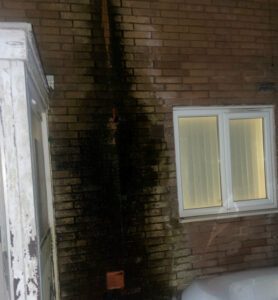
  • Damaged brickwork
  • Blocked or overflowing gutters
  • Faulty plumbing

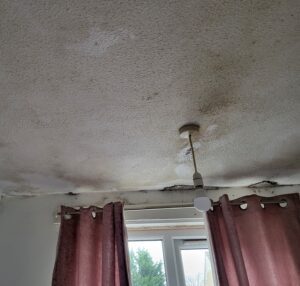
This type of damp often leads to black mould growth, particularly on walls and ceilings.

Rising Damp

Rising damp happens when groundwater travels upward through the structure of a building. It is most commonly found in properties built before 1875, where modern damp-proof courses may be absent or ineffective.

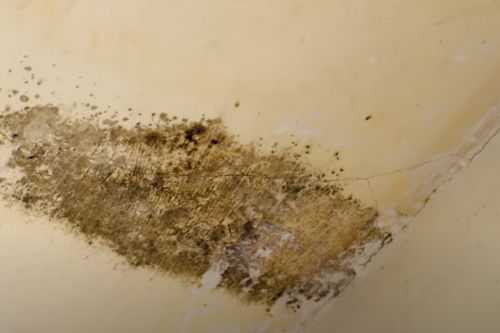
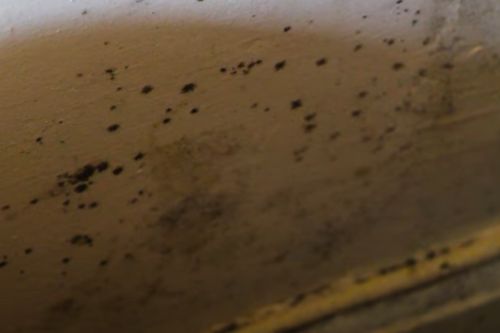
damp and mould in council house
damp and mould

How Mould Develops

Mould is a fungus that thrives in damp conditions. Condensation and penetrating damp can cause severe black mould, which releases airborne spores. These spores can be harmful when inhaled and pose serious health risks.

What Are the Health Risks of Living With Damp and Mould?

Mould spores are microscopic – around half the width of a human hair – and can circulate through the air unnoticed. They are a known allergen and can trigger adverse health effects.

According to the NHS, people living in damp and mouldy homes are at increased risk of:

  • Respiratory infections
  • Asthma and breathing difficulties
  • Allergies
  • Weakened immune response

Who Is Most at Risk?

The following groups are particularly vulnerable to mould exposure:

  • Babies and children
  • Older people
  • Individuals with skin conditions such as eczema
  • People with asthma or other respiratory illnesses
  • Those with weakened immune systems, including people undergoing chemotherapy

No one should be forced to live in a damp or mouldy home. Landlords have a legal duty to fix these issues, and tenants may be entitled to compensation if repairs are delayed or ignored.

How Can I Get My Landlord to Fix Damp and Mould?

Many tenants spend months or even years reporting damp and mould before seeking legal help. However, the sooner you contact a Housing Disrepair Solicitor, the sooner repairs can be enforced.

Two key laws protect tenants:

  • Landlord and Tenant Act 1985
  • Housing Act 2004

Under these laws, landlords are responsible for maintaining and repairing:

  • The structure and exterior of the property (walls, floors, windows, drains, pipes)
  • Water, gas, and electrical systems
  • Bathrooms and sanitary fittings
  • Fixed heating and hot water systems

If damp and mould are caused by any of these issues, your landlord must fix the problem within a reasonable timeframe.

Tenant Responsibilities and Structural Issues

Tenants do have a responsibility to ventilate their homes where possible. However, many tenants cannot do so due to structural defects, such as broken windows, faulty extractor fans, or inadequate heating – issues that are the landlord’s responsibility.

Where this is the case, a Housing Disrepair Solicitor can:

  • Arrange for a structural engineer or surveyor to inspect the property
  • Identify the true causes of damp and mould
  • Provide expert evidence to support your claim

How a Housing Disrepair Solicitor Can Help

A Housing Disrepair Solicitor can do more than request repairs. They can:

  • Force your landlord to prioritise your repairs
  • Ensure work is carried out properly
  • Secure compensation for the harm and inconvenience you have suffered

Legal intervention often moves a claim to the front of the repair queue.

Concluding Comments

The Social Housing (Regulation) Bill 2022-23, announced in the 2022 Queen’s Speech, aims to improve standards across social housing. Proposed changes include:

  • Ofsted-style inspections for underperforming landlords
  • Emergency repairs carried out at the landlord’s expense
  • Mandatory health and safety leads for all social housing providers

While this represents progress, Awaab Ishak’s tragic death shows why urgent action is needed now. Social landlords must respond immediately and effectively to damp and mould complaints.

How NJS Law Can Help With Damp and Mould Repairs

NJS Law is one of the few housing disrepair solicitors operating across England and Wales with a dedicated legal team focused on tenant claims.

We can help by:

  • Instructing a surveyor to assess disrepair and provide expert evidence
  • Legally compelling your council or housing association to complete repairs
  • Claiming compensation for the period your home has been in disrepair

We act nationwide on a No Win No Fee basis. Our experienced and compassionate team will support you every step of the way.

Call NJS Law on 0800 093 3393 to discuss your claim.


*This took place in May 2022 when Her Majesty, Queen Elizabeth II was on the throne.

FIND OUT IF YOU ARE ELIGIBLE TO CLAIM FOR REPAIRS AND COMPENSATION

Average Compensation - £1,895
We work on a NO WIN NO FEE basis
to get your home put right and to get you compensated!

Ask NJS Law

For fast, friendly affordable legal advice. Contact a member of our team today.
FAQ

For any questions we may be able to answer, discover our FAQ section.

Categories
Serious Injury

Serious Injury Claim Guide

serious injury claim guide

This Serious Injury Claim Guide gives information on serious injury claims.

It explains the rights who suffer serious injuries.

Suffering a serious injury can be life-changing, both physically and emotionally. Therefore, it is essential to understand your rights and the support available if you or a loved one has been seriously injured due to someone else’s negligence.

This guide explains what qualifies as a serious injury, the most common causes, and how a serious injury claim can help you move forward.

How Are Personal Injury Claims Usually Settled?

A serious injury, sometimes referred to as a catastrophic injury, is one that has a long-term or permanent impact on a person’s life. Sadly, in many cases, a full recovery is not expected.

Examples of serious injuries include:

  • Brain injuries
  • Spinal cord injuries
  • Amputations
  • Multiple or complex injuries
  • Fatal accidents

As a result, anyone affected by these injuries often requires specialist legal, medical, and rehabilitative support.

Common Causes of Serious Injuries

Serious injuries can occur in many situations. However, some causes are more common than others.

The most frequent causes of serious injury claims include:

  • Accidents on construction or building sites
  • Accidents at work
  • Catastrophic road traffic accidents
  • Cycling or motorbike accidents
  • Pedestrian accidents
  • Medical negligence, including surgical errors

Because these incidents often involve complex liability issues, early legal advice is crucial.

Can I Make a Serious Injury Claim on Behalf of Someone Else?

In some situations, an injured person cannot make a claim themselves. For example, they may lack mental capacity or have suffered severe brain injuries.

In these cases, the law allows a close family member or representative to bring a serious injury claim on their behalf. This ensures the injured person still receives the compensation and support they need.

If you are considering making a claim for someone else, our expert solicitors will gladly talk through your options and next steps.

Is There a Time Limit for Serious Injury Claims?

In most cases, you have three years to start a serious injury claim. This period usually begins from:

  • The date of the accident, or
  • The date you became aware of the injury or diagnosis

However, some exceptions apply. Therefore, it is always best to seek legal advice as soon as possible.

Serious Injury Claims: How NJS Law Can Help

At NJS Law, we specialise in supporting people who have suffered serious or catastrophic injuries. From the outset, we focus on securing both financial compensation and practical support.

We can help you with:

  • Claiming compensation
  • Accessing medical treatment
  • Rehabilitation and recovery planning
  • Adapting your accommodation
  • Reviewing benefits and financial support
  • Assessing future employment prospects
  • Arranging expert care and assistance

Importantly, we understand that serious injuries affect not only the injured person but also their family. Therefore, we provide dedicated support at every stage of the claim.

Our team has decades of combined experience in handling serious injury claims, and we are committed to achieving the best possible outcome for you.

CONTACT US

Get in touch using the form below or via the following methods:

Ask NJS Law

For fast, friendly affordable legal advice. Contact a member of our team today.
FAQ

For any questions we may be able to answer, discover our FAQ section.

Categories
Medical Negligence

Medical Negligence Claim Guide

medical_negligence_medical_negligence_claims_Solicitors

This Medical Negligence Claim Guide gives information on medical negligence claims.

It explains the patients’ rights who suffer surgical or medical negligence errors.

What Is Clinical Negligence?

Clinical negligence, more commonly referred to as medical negligence, occurs when a healthcare professional fails to provide treatment that meets the accepted standard of care. As a result, the patient may suffer a new injury or experience a deterioration in an existing condition.

Medical negligence can arise in several ways. For example, it may involve a delay in diagnosis, a misdiagnosis, incorrect treatment, or a surgical error. In each case, the key issue is whether the care fell below an acceptable medical standard and caused avoidable harm.

Medical Misdiagnosis Claims

Medical misdiagnosis claims generally fall into three categories:

  • Incorrect diagnosis
  • Delayed diagnosis
  • Missed diagnosis

An incorrect diagnosis occurs when a medical professional wrongly identifies your condition. By contrast, a delayed diagnosis arises when your condition is recognised later than it should have been. Finally, a missed diagnosis happens when a doctor fails to diagnose any condition at all.

Crucially, the consequences of misdiagnosis can be severe. Without timely and appropriate treatment, patients may suffer permanent injury or a worsening condition. In serious cases, such as cancer or cauda equina syndrome, delayed or missed diagnosis can be life-changing.

Making a GP Negligence Claim

General Practitioners are held to the same professional standards as other healthcare providers. Accordingly, they owe their patients a duty to deliver appropriate and competent care.

If a GP fails to diagnose a condition, delays treatment, makes a prescribing error, or does not refer you for specialist care when required, this may amount to GP negligence. Where such failures cause avoidable harm, a compensation claim may be possible.

Surgical Errors and Negligence

General Practitioners are held to the same professional standards as other healthcare providers. Accordingly, they owe their patients a duty to deliver appropriate and competent care.

If a GP fails to diagnose a condition, delays treatment, makes a prescribing error, or does not refer you for specialist care when required, this may amount to GP negligence. Where such failures cause avoidable harm, a compensation claim may be possible.

Hospital Negligence Compensation Claims

Poor hospital care can take many forms. For instance, patients may suffer from pressure sores, medication errors, delayed diagnosis, or preventable falls during an inpatient stay. Unfortunately, these issues can make an existing condition worse rather than better.

Whether the treatment took place in an NHS hospital or a private medical facility, our specialist medical negligence team can help you pursue the support and compensation you deserve.

How NJS Law Can Help

At NJS Law, our medical negligence team has decades of combined experience supporting clients who have been harmed by medical mistakes. Above all, we focus on helping you access the support you need to rebuild your life after negligence.

Because every case is different, we provide tailored advice based on your individual circumstances. In addition, we can usually act on a No Win No Fee basis, reducing financial risk while your claim is ongoing.

If you believe negligent medical care has caused you harm, please contact us to discuss your situation and explore your options.

CONTACT US

Get in touch using the form below or via the following methods:

Ask NJS Law

For fast, friendly affordable legal advice. Contact a member of our team today.
FAQ

For any questions we may be able to answer, discover our FAQ section.

Categories
Housing Disrepair Claims

Housing Disrepair Claim Guide

Housing Disrepair Claim Guide

This guide explains housing disrepair claims, including the responsibilities of tenants and landlords, and the options available if a landlord fails to carry out necessary repairs.

If you are living in a Council or Housing Association property that has fallen into disrepair and your landlord has failed to fix the problem, you may be entitled to make a housing disrepair claim.

What Is Classed as Housing Disrepair?

Housing disrepair occurs when a rented property is not properly maintained and falls below a reasonable standard of living.

As a tenant, you have a legal right to live in a safe and habitable home, free from hazards caused by disrepair.

Your Council or Housing Association has a legal obligation to:

  • Keep the structure and exterior of the property in good repair
  • Ensure the home is safe and suitable to live in
  • Carry out repairs within a reasonable timeframe once notified

What Repairs Constitute Housing Disrepair?

You may be eligible to make a housing disrepair claim if your Council or Housing Association property is affected by issues such as:

  • Damp and mould
  • Defective brickwork
  • Defective or leaking roofs
  • Cracks in walls or ceilings
  • Water leaks
  • Defective or broken windows

These issues can impact your health, safety, and quality of life.

When Can You Claim Against Your Landlord?

You may be able to claim compensation and a rent refund if:

  • You have reported the disrepair to your landlord
  • You have allowed a reasonable amount of time for repairs
  • The landlord has failed to fix the problem or ignored your requests

If repairs are delayed or not carried out properly, your landlord may be in breach of their legal duties.

How NJS Law Can Help You

NJS Law are among the few specialist housing disrepair solicitors acting for tenants across England and Wales.

Our dedicated legal team focuses on ensuring that:

  • Your repairs are completed
  • Your home is restored to a safe and decent standard
  • You receive the compensation you deserve

What Our Housing Disrepair Team Can Do for You

We can assist you by:

  • Instructing an independent surveyor to assess the disrepair and provide evidence
  • Legally compelling your Council or Housing Association to carry out repairs
  • Claiming compensation for the period your property has been in disrepair

We handle the legal process so you don’t have to.

Why Choose NJS Law?

At NJS Law, we are specialist housing disrepair solicitors, assisting tenants nationwide on a No Win No Fee basis.

  • Decades of combined experience
  • Tenant-focused, compassionate support
  • Proven success in housing disrepair claims

We are sympathetic, understanding, and here to support you every step of the way.

Start Your Housing Disrepair Claim Today

If your landlord has failed to carry out necessary repairs, you do not have to put up with unsafe living conditions.

Call or email us today to start your housing disrepair claim and find out how we can help.

FIND OUT IF YOU ARE ELIGIBLE TO CLAIM FOR REPAIRS AND COMPENSATION

Average Compensation - £1,895
We work on a NO WIN NO FEE basis
to get your home put right and to get you compensated!

Ask NJS Law

For fast, friendly affordable legal advice. Contact a member of our team today.
FAQ

For any questions we may be able to answer, discover our FAQ section.

Categories
Occupier Liability

Occupier Liability Claim Guide

Occupier_Liability_Personal injury occupiers slips claims

This Occupier Liability Claim Guide gives information on occupier liability claims.

Occupier Liability Claim Guide

Accidents which take place on property or land owned by someone else are called Occupiers Liability Claims.

The ‘occupier’ is usually the person, council or company, landlord or tenant who has ‘control’ over the premises/land where you were injured. An occupier has duty of care to all visitors to ensure the premises are reasonably safe.

If you are involved in an accident on property or land owned by someone else (which could be a restaurant, shop, a housing estate, shopping centres, buildings…), you may be entitled to compensation from the ‘occupier’ of that property.

Occupier Liability Examples:

Slip, Trip or Fall in a Shop/Supermarket?

Shops and other public venues have a duty to follow health and safety guidance to protect customers.

Slipping accidents can seem inoffensive, but often the injuries can be serious.

The most common accidents are slips, trips and falls from spillages, wet floors or broken goods which haven’t been properly cleaned up or warning signs weren’t used.

Is a Shopping Centre Liable for a Customer Injury?

Shopping centres are designed to be comfortable and very safe environments.

Shopping centres have a duty to keep customers safe but there are instances when health and safety regulations are not followed properly, and people get hurt.

Some common examples of shopping centre accidents include:

slips, trips and falls from spillages, wet floors or broken goods which haven’t been properly cleaned up or warning signs weren’t used.
Injured in an area that was undergoing maintenance but was not cordoned off properly.

Accident in a Restaurant, What to Do?

Restaurant owners must take ownership of operational procedures that ensure safety and security for the guests. This means that they need to take steps to try and reduce any hazards.

Here are some types of incidents which could lead to restaurant accident claims:

  • Slips, trips or falls on slippery floors without signposts.
  • Wet and slippery toilets without signposts.
  • Physical injuries in a car park or entrance with poor maintenance.

If you are involved in an accident on property or land owned by someone else (which could be a restaurant, shop, a housing estate, shopping centres, buildings…), you may be entitled to compensation from the ‘occupier’ of that property.

At NJS Law, our Personal Injury experts will guide you through every step of the process and will help get you the outcome you deserve whilst operating on a NO WIN NO FEE basis.

Contact NJS Law today for a free no-obligation consultation by calling 01625 667 262 or email injury@njslaw.co.uk

Ask NJS Law

For fast, friendly affordable legal advice. Contact a member of our team today.

FAQ

For any questions we may be able to answer, discover our FAQ section.

Categories
Dental Negligence

Can I Claim Against my Dentist for Dental Negligence?

Dental negligence - What is

Dental negligence occurs when a dental professional fails to provide an acceptable standard of care. As a result, a patient’s dental condition may worsen instead of improving. Understanding common dental negligence examples can help you recognise whether you may have a valid claim.

Common Examples of Dental Negligence

Dental negligence can take many forms. In particular, patients may experience:

  • Damage to teeth caused by incorrect treatment
  • Nerve damage leading to ongoing pain or numbness
  • Failure to diagnose oral cancer at an early stage
  • Poorly fitted or failed dental implants
  • Substandard or incomplete root canal treatment

Each of these issues can have long-term consequences. Therefore, early advice from a specialist solicitor is essential.

What to Do If Your Dentist Breaks Your Jaw

In some cases, a dentist may fracture a patient’s jaw during a procedure. This can happen when the dentist uses excessive force or fails to follow proper techniques and preparation.

A broken jaw often causes severe pain and usually requires extensive medical treatment to repair the damage. When dental negligence causes a jaw fracture, you may be entitled to claim compensation against the dentist or dental hygienist responsible for your care.

Time Limits for Making a Dental Negligence Claim

Generally, you have three years to make a dental negligence claim. This time limit usually starts from the date you became aware, or should reasonably have become aware, that negligent dental treatment caused your injury.

However, some exceptions may apply. For this reason, it is always best to seek legal advice as soon as possible.

Information Needed to Support Your Claim

To assess your dental negligence claim, your solicitor will need specific information. This may include:

  • Your dental history, including treatment received during childhood
  • Details of how your symptoms affect your daily life now and in the future
  • Any medical or dental expenses you have already paid
  • Information about ongoing or future treatment you may require
  • Whether you have raised concerns with the dental professional and their response

Providing this information early helps your solicitor build a strong and well-prepared claim.

Why Choose NJS Law for a Dental Negligence Claim?

NJS Law has a dedicated Dental Negligence team with decades of combined experience. We focus exclusively on representing patients who have received negligent dental treatment.

Because every case is different, we provide tailored legal advice based on your individual circumstances. In addition, our solicitors are sympathetic, understanding, and committed to supporting you throughout the claims process.

Where appropriate, NJS Law can act on your behalf on a No Win No Fee basis, reducing the financial risk of bringing a claim.

Speak to Our Dental Negligence Specialists

If you believe you have suffered due to dental negligence, we are here to help. Our experienced team can explain your rights and advise whether you may be entitled to compensation.

Contact NJS Law today by phone or email to arrange a free, no-obligation consultation.

CONTACT US

Get in touch using the form below or via the following methods:

Ask NJS Law

For fast, friendly affordable legal advice. Contact a member of our team today.

FAQ

For any questions we may be able to answer, discover our FAQ section.

Categories
Contentious Probate

Contentious Probate Guide: Understanding the Process

contentious_probate_intro

Disputes involving Wills and estates can quickly become complex. However, when disagreements arise, contentious probate provides a clear legal route to resolve them fairly and efficiently.

In the sections below, we explain why a Will may be challenged, how Inheritance Act claims work, and when specialist legal advice becomes essential.

When Can You Challenge a Will?

In practice, individuals challenge Wills for a variety of reasons. Most commonly, disputes arise where:

  • You have been excluded from the Will entirely
  • Your inheritance falls short of reasonable expectations
  • The deceased lacked mental capacity or was vulnerable when making the Will
  • The Will was not properly executed, or you believe someone forged it

Additionally, if a person dies without leaving a valid Will, disputes often still occur. In these circumstances, intestacy rules apply, but they do not always produce fair outcomes. Consequently, early legal advice can prove invaluable.

What Is an Inheritance Act Claim?

The Inheritance (Provision for Family and Dependants) Act 1975, commonly known as the Inheritance Act, allows certain people to apply for financial provision from an estate if the Will (or intestacy rules) fail to provide reasonably for them.

In simple terms, the Act exists to prevent unfair outcomes where someone who depended on the deceased has been left without adequate support.

Who Can Make an Inheritance Act Claim?

Under the Act, the following categories of people may bring a claim:

  • A spouse or civil partner
  • A child of the deceased
  • A person who was financially maintained by the deceased

As a result, if the deceased left no Will, excluded you from their Will, or failed to provide adequately for your needs, you may have grounds to pursue a claim.

Time Limits: Why Acting Quickly Matters

Crucially, you must normally bring an Inheritance Act claim within six months of the Grant of Probate being issued. For this reason alone, you should seek legal advice as soon as possible.

Nevertheless, the court does retain discretion to allow claims outside this timeframe. That said, such extensions are not automatic. Therefore, if the deadline has passed, you should obtain specialist advice immediately.

How NJS Law Supports Contentious Probate Claims

At NJS Law, we recognise that contentious probate disputes often involve grief, stress, and family tension. Accordingly, we take a measured and supportive approach while providing clear, decisive legal guidance.

Our contentious probate solicitors regularly assist clients with:

  • Claims where a Will excludes them
  • Disputes over insufficient or unexpected inheritance
  • Cases where financial dependence was ignored
  • Situations involving unfulfilled informal agreements
  • Allegations of lack of capacity
  • Beneficiary disputes
  • Help to locate a missing Will
  • Concerns about fraud or forgery

Throughout the process, we actively investigate the facts, gather evidence, and advise on the most effective strategy to resolve the dispute—often without the need for court proceedings.

Experienced, Supportive Legal Advice

Importantly, our team has extensive experience handling contentious probate and Inheritance Act claims. We combine technical expertise with a practical, client-focused approach.

Where appropriate, NJS Solicitors can act on a No Win No Fee basis, thereby reducing financial risk and improving access to justice.

CONTACT US TODAY

Use our contact form to message us below, or alternatively if you feel more comfortable, you can call us on

Ask NJS Law

For fast, friendly affordable legal advice. Contact a member of our team today.

FAQ

For any questions we may be able to answer, discover our FAQ section.

Categories
Accident at Work

How to Make an Accident at Work Claim

accident at work compensation_personal_injury

If you have been injured at work, you may be entitled to make an accident at work claim. Workplace accidents can happen across many industries and roles, often due to a failure to follow proper health and safety procedures.

Types of Accidents at Work We Can Help With

An accident at work claim can arise from a wide range of incidents, including:

  • Trips and slips at work
  • Falls from height
  • Manual handling injuries
  • Forklift truck accidents
  • Burns and scalds
  • Electric shocks and electrocutions

No matter how your injury occurred, if it was caused by employer negligence, you may be able to claim compensation.

Who Is Responsible for an Accident at Work?

Employer's Duty of Care

Employers have a legal duty of care to keep employees safe while at work. This includes an obligation to:

  • Provide a safe workplace and safe systems of work
  • Ensure employees are properly trained and competent
  • Supply suitable work equipment and personal protective equipment (PPE), such as footwear or gloves
  • Take reasonable steps to minimise health and safety risks
  • Carry out risk assessments
  • Perform regular inspections of the workplace and equipment
  • Ensure all equipment is properly maintained and safe to use

Unfortunately, some employers fail to meet these standards, which can result in serious workplace injuries.

What Are My Rights After an Accident at Work?

If you have been injured due to your employer’s negligence, you have the right to make a personal injury claim.

Your Right to Compensation

You may be able to claim compensation for:

  • Your physical injuries
  • Psychological harm
  • Loss of earnings
  • Medical expenses
  • Travel costs
  • Ongoing care or future financial losses

Compensation is intended to put you back, as far as possible, in the position you would have been in had the accident not occurred.

How Do I Claim When Injured at Work?

To make a successful accident at work compensation claim, you must show that:

  • Your employer owed you a duty of care
  • That duty was breached
  • You suffered an injury as a result of that breach

Expert Legal Support for Workplace Injury Claims

At NJS Law, we specialise in workplace injury claims. Our experienced personal injury team will use their expertise to secure the maximum compensation possible for your injuries and recover any financial losses, including loss of earnings.

How NJS Law Can Help With Your Accident at Work Claim

What We Consider When Valuing Your Claim

Our personal injury specialists will carefully assess your case, including:

  • The severity of your injury and expected recovery time
  • The long-term impact on your quality of life
  • Time taken off work due to your injury
  • Any care received, including help from family members
  • Adaptations required to your home or vehicle
  • Medical costs, including therapy, prescriptions, and travel expenses

Why Chose NJS Law?

NJS Law has a strong reputation for providing outstanding customer service while being robust and determined when pursuing those responsible for your injury. We offer:

  • Clear, honest, and practical advice
  • A supportive and understanding approach
  • Expert representation throughout your claim

We aim to make the claims process as straightforward and stres-free as possible.

Contact Us Today for Free Legal Advice

If you have suffered an injury due to an accident at work, contact NJS Law today, for a FREE, no obligation consultation. Our friendly team is available by phone or email and will advise you whether your claim has a strong chance of success.

We’re here to help you get the outcome you deserve.

Ask NJS Law

For fast, friendly affordable legal advice. Contact a member of our team today.
FAQ

For any questions we may be able to answer, discover our FAQ section.