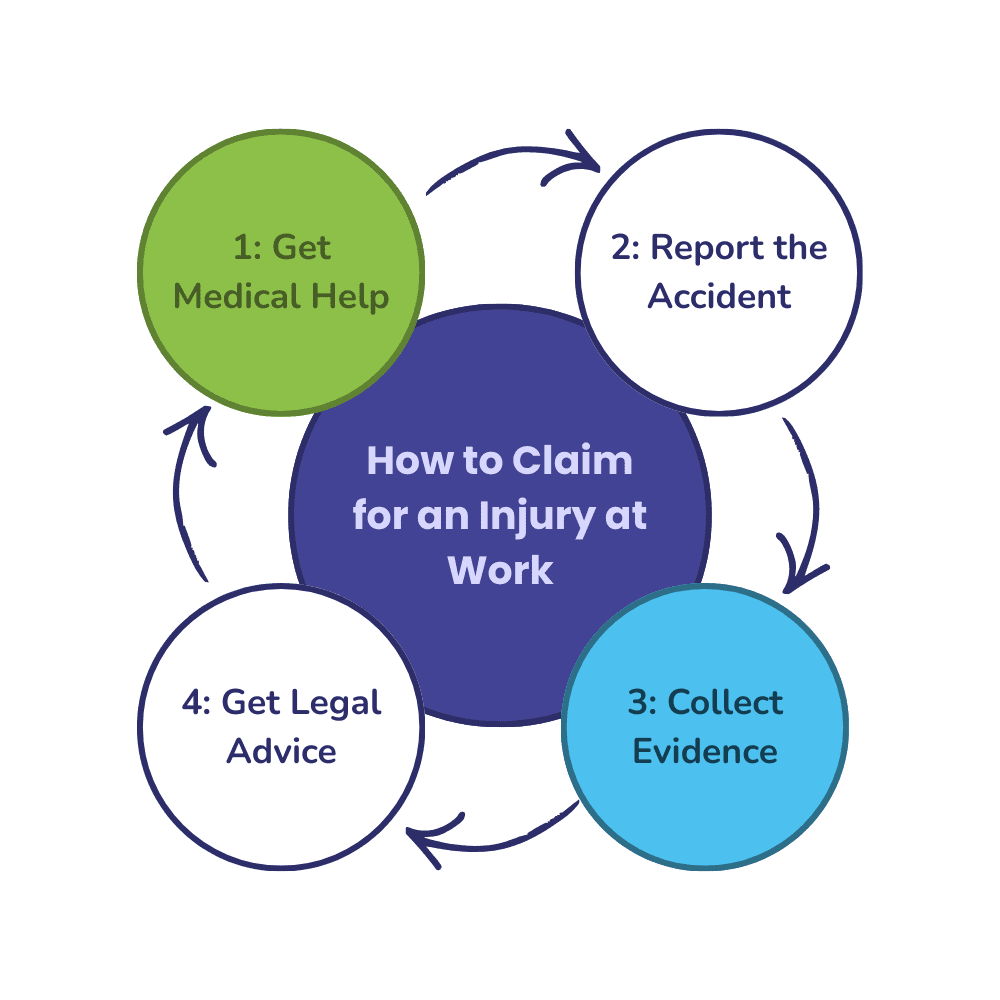

Categories
Accident at Work

Can I Be Sacked for Making an Accident at Work Claim?

Can I Be Sacked for Making an Accident at Work Claim?

Can I Be Sacked for Making an Accident at Work claim?

One of the biggest fears employees have after being injured at work is this:

“Will I lose my job if I make a claim?”

It is completely understandable to worry about your position — particularly if you rely on your income, have worked for your employer for many years, or feel uncomfortable about bringing a claim against the company.

However, UK law provides strong protection for employees who assert their legal rights.

Bringing an accident at work claim is not misconduct. It is not disloyal. It is not unreasonable. It is a lawful step to recover compensation where your employer’s negligence has caused injury.

In most cases:

  • Claims are handled by the employer’s insurance company
  • The employer does not personally pay compensation
  • You are legally protected from unfair treatment

Understanding your rights can remove much of the anxiety that prevents injured workers from seeking proper legal advice.

Is It Legal for My Employer to Dismiss Me?

No.

Dismissing an employee for asserting a legal right — including bringing a personal injury claim — may amount to:

  • Unfair dismissal
  • Automatic unfair dismissal
  • Victimisation

Employers cannot lawfully penalise you simply because you have pursued compensation following a workplace injury. You can read more about your protections in our guide to workplace accident legal rights in the UK.

If a dismissal is connected to your claim, you may have additional legal remedies.
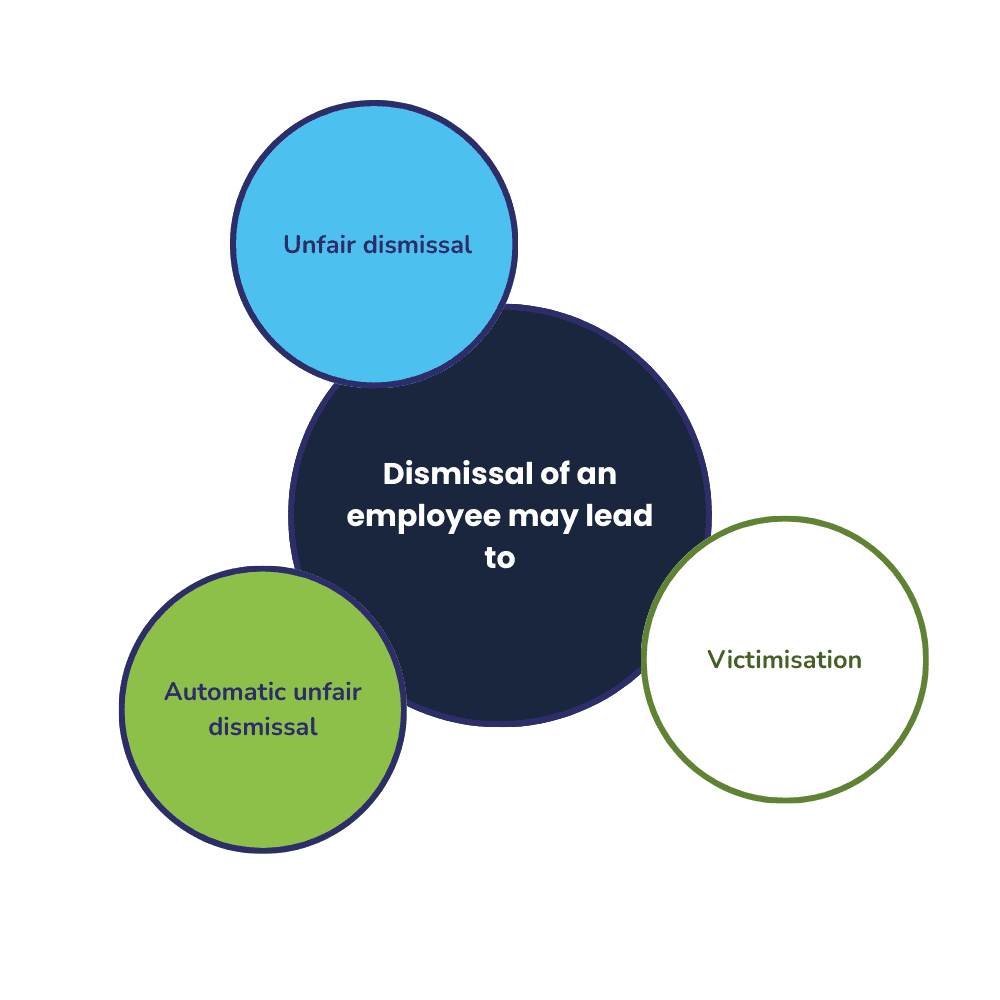
Dismissing an employee for asserting a legal right — including bringing a personal injury claim — may amount to:

What If I Experience Retaliation?

Sometimes the concern is not dismissal, but subtle changes in treatment.
Examples of unlawful retaliation can include:

  •  Reduced hours
  •  Demotion
  •  Hostility
  •  Unjustified disciplinary action
  •  Being excluded from meetings or opportunities

If this occurs, you may have separate employment law claims in addition to your injury claim.
Keeping written records of any changes in treatment can be important evidence.

Who Actually Pays?

Employers in the UK are legally required to hold Employers’ Liability Insurance.

This means:

  • Compensation is paid by the insurer
  • The claim is handled by insurance solicitors
  • It does not come directly from your manager’s salary or daily business operations

Personal injury claims are a standard and anticipated part of employer insurance arrangements.

They are not personal attacks — they are legal processes designed to ensure injured workers are compensated fairly.

We’re Here To Help

Why Choose NJS Law for Your Accident at Work Claim?

When you are injured at work, you need more than general advice — you need clear, strategic legal guidance from solicitors who understand employer liability, workplace regulations and insurer tactics.

At NJS Law, we act exclusively in the interests of injured individuals. We understand the physical, financial and emotional pressure that follows a workplace accident. Our role is to remove that pressure and handle the legal process with clarity and confidence. You can read what clients say about our service on our NJS Law reviews.

When you instruct NJS Law, you can expect:

We are experienced in handling claims involving:

  • Manual handling injuries
  • Slips, trips and falls
  • Construction site accidents
  • Machinery and equipment failures
  • Industrial and factory injuries 
  • Workplace head and back injuries

Every case is handled with attention to detail and a focus on achieving the best possible outcome for you.

Speak To NJS Law Today

If you have suffered an accident at work, early advice can make a significant difference to your claim.

Contact our Accident at Work Solicitors  today for a confidential discussion about your situation. We will explain:

There is no obligation to proceed – just clear professional advice.

Call us today or complete our online enquiry form to speak with a specialist accident at work solicitor.

Your recovery matters. Your rights matter.

Let NJS Law help you secure the compensation you deserve.

→ Learn more About Us

Frequently Asked Questions

Can I claim if the accident was partly my fault?

Yes. Even if you were partly responsible, you may still receive compensation under contributory negligence principles.

Your compensation may be reduced to reflect your share of responsibility, but you are not automatically prevented from claiming. Employers still have a legal duty to provide a safe working environment.

What if the accident wasn't recorded in the Accident Book?

You can still bring a claim.

While accident book entries are helpful evidence, they are not essential. Medical records, witness statements, CCTV footage and photographs can all support your case.

It is advisable to notify your employer in writing as soon as possible if the incident was not formally recorded.

How long do I have to make an accident at work claim?

In most cases, you have three years from the date of the accident to start court proceedings. You can read a detailed guide on accident at work time limits and how long you have to claim.

If your injury developed over time (for example, repetitive strain injury), the three year period may begin from the date you became aware that your condition was work-related.

There are exceptions for children and individuals lacking mental capacity.

Will claiming compensation affect my job?

Most workplace accident claims are handled by the employer’ liability insurance.

The claim is made against the insurer – not directly against your employer personally. Professional employers understand that insurance exists for this purpose.

CONTACT US

Get in touch using the form below or via the following methods:

Ask NJS

For fast, friendly affordable legal advice. Contact a member of our team today.

FAQ

For any questions we may be able to answer, discover our FAQ section.

Categories
Accident at Work

Accident at Work Time Limits: How Long Do I Have to Claim?

Accident at Work Time Limits: How Long Do I Have to Claim?

If you have been injured at work, one of the most important questions to ask is:

“How long do I have to make a claim?”

Many people assume they can deal with a workplace injury when they feel ready — but personal injury claims in England and Wales are subject to strict legal time limits. If those deadlines are missed, you may lose your right to claim compensation entirely.

Understanding limitation periods is crucial. Even if your injuries seem manageable now, delaying legal advice can seriously weaken or prevent your claim.

This guide explains:

  • The standard 3-year time limit
  • What “date of knowledge” means
  • Exceptions to the rule
  • Why acting early protects your case

The 3-Year Rule

In most accident at work claims, you have three years to issue court proceedings.

The three year period runs from:

  • The date of the accident; or
  • The “date of knowledge”

This rule is set out in the Limitation Act 1980 and applied to most personal injury claims.

It is important to understand that simply contacting a solicitor is not enough. If a claim has not been settled, formal court proceedings must be issued within the limitation period to protect your right to compensation.

What is the "Date of Knowledge"?

The “date of knowledge” applies when your injury is not immediately obvious.

This is common in cases involving:

  • Repetitive strain injuries
  • Hearing loss
  • Exposure to hazardous substances
  • Work-related respiratory conditions
  • Industrial diseases

The limitation period begins when you first knew – or ought reasonably to have known – that:

  1. You were suffering from significant injury; and
  2. The injury was attributable to your work

This can sometimes be years after exposure occurred.

Because this area of law can be complex, specialist advice is particularly important in industrial disease claims.

Exceptions to the 3-Year Rule

There are several important exceptions.

Children

If the injured person is under 18 at the time of the accident:

  • The three-year limitation period does not begin until their 18th birthday
  • They therefore usually have until their 21st birthday to bring a claim

A parent or litigation friend may bring a claim on their behalf before they turn 18.

Mental Incapacity

If an injured person lacks mental capacity (within the meaning of the Mental Capacity Act 2005):

  • The limitation period may not apply while incapacity continues

If capacity is later regained, the three year period may begin from that point.

Can the Court Extend the Time Limit?

In limited circumstances, the court has the discretion to allow a claim to proceed outside the standard three-year period.

However:

  • This is not guaranteed
  • The burden is on the claimant
  • Delay must be justified
  • The court will consider whether a fair trial is still possible

Relying on discretion is risky. It is always safer to seek advice well before limitation expires.

Why You Should Not Delay

Even though you may technically have three years, waiting can seriously weaken your claim. Our guide on what to do immediately after an accident at work explains why early action is so important.

Over time:

  • Evidence fades
  • CCTV footage is erased (often within weeks)
  • Witnesses leave employment
  • Employers change management
  • Documents are lost
  • Recollections become unreliable

Early legal advice allows your solicitor to:

  • Secure evidence quickly
  • Preserve documentation
  • Request accident reports
  • Obtain medical evidence promptly
  • Protect your position before deadlines approach

The earlier you act, the stronger your case is likely to be.

Why Choose NJS Law for Your Accident at Work Claim?

When you are injured at work, you need more than general advice — you need clear, strategic legal guidance from solicitors who understand employer liability, workplace regulations and insurer tactics.

At NJS Law, we act exclusively in the interests of injured individuals. We understand the physical, financial and emotional pressure that follows a workplace accident. Our role is to remove that pressure and handle the legal process with clarity and confidence. You can read what clients say about our service on our NJS Law reviews.

When you instruct NJS Law, you can expect:

We are experienced in handling claims involving:

  • Manual handling injuries
  • Slips, trips and falls
  • Construction site accidents
  • Machinery and equipment failures
  • Industrial and factory injuries 
  • Workplace head and back injuries

Every case is handled with attention to detail and a focus on achieving the best possible outcome for you.

Speak To NJS Law Today

If you have suffered an accident at work, early advice can make a significant difference to your claim.

Contact our Accident at Work Solicitors  today for a confidential discussion about your situation. We will explain:

There is no obligation to proceed – just clear professional advice.

Call us today or complete our online enquiry form to speak with a specialist accident at work solicitor.

Your recovery matters. Your rights matter.

Let NJS Law help you secure the compensation you deserve.

→ Learn more About Us

We’re Here To Help

Frequently Asked Questions

Can I claim if the accident was partly my fault?

Yes. Even if you were partly responsible, you may still receive compensation under contributory negligence principles.

Your compensation may be reduced to reflect your share of responsibility, but you are not automatically prevented from claiming. Employers still have a legal duty to provide a safe working environment.

What if the accident wasn't recorded in the Accident Book?

You can still bring a claim.

While accident book entries are helpful evidence, they are not essential. Medical records, witness statements, CCTV footage and photographs can all support your case.

It is advisable to notify your employer in writing as soon as possible if the incident was not formally recorded.

How long do I have to make an accident at work claim?

In most cases, you have three years from the date of the accident to start court proceedings. You can read a detailed guide on accident at work time limits and how long you have to claim.

If your injury developed over time (for example, repetitive strain injury), the three year period may begin from the date you became aware that your condition was work-related.

There are exceptions for children and individuals lacking mental capacity.

Can my employer dismiss me for making a claim?

No. It is unlawful for an employer to dismiss or treat you unfairly for pursuing a legitimate personal injury claim. You can read more about your rights in our guide on being sacked for making an accident at work claim.

If your employer takes adverse action against you because you exercised your legal rights, this may amount to unfair dismissal or victimisation.

Will claiming compensation affect my job?

Most workplace accident claims are handled by the employer’ liability insurance.

The claim is made against the insurer – not directly against your employer personally. Professional employers understand that insurance exists for this purpose.

CONTACT US

Get in touch using the form below or via the following methods:

Ask NJS

For fast, friendly affordable legal advice. Contact a member of our team today.

FAQ

For any questions we may be able to answer, discover our FAQ section.

Categories
Accident at Work

No Win No Fee Accident at Work Claims – How It Works

No Win No Fee Accident at Work Claims – How It Works

Many injured employees delay making a claim because they are worried about legal costs.

It is completely understandable to ask:

“Can I afford to bring a claim?”

“What happens if I lose?”

The good news is that most accident at work claims are handled under a No Win No Fee agreement, known as a Conditional Fee Agreement (CFA).

This funding arrangement allows you to pursue compensation without paying upfront legal fees and without taking on financial risk.

At NJS Law, we believe access to justice should not depend on your financial position. A No Win No Fee agreement allows you to protect your legal rights while keeping costs transparent and controlled.

What Is a No Win No Fee Agreement?
How Does a No Win No Fee Claim Work in Practice?

A No Win No Fee agreement (Conditional Fee Agreement) means:

  •  You do not pay any upfront legal fees
  •  You do not pay your solicitor’s fees if the claim is unsuccessful
  •  If you win, a legally capped success fee is deducted from your compensation

The success fee is agreed with you in advance and is subject to a statutory cap. There are no hidden charges.

This structure ensures that:

  •  Your solicitor shares the financial risk
  •  Your case is carefully assessed before proceeding
  •  Your interests are aligned with your solicitor’s

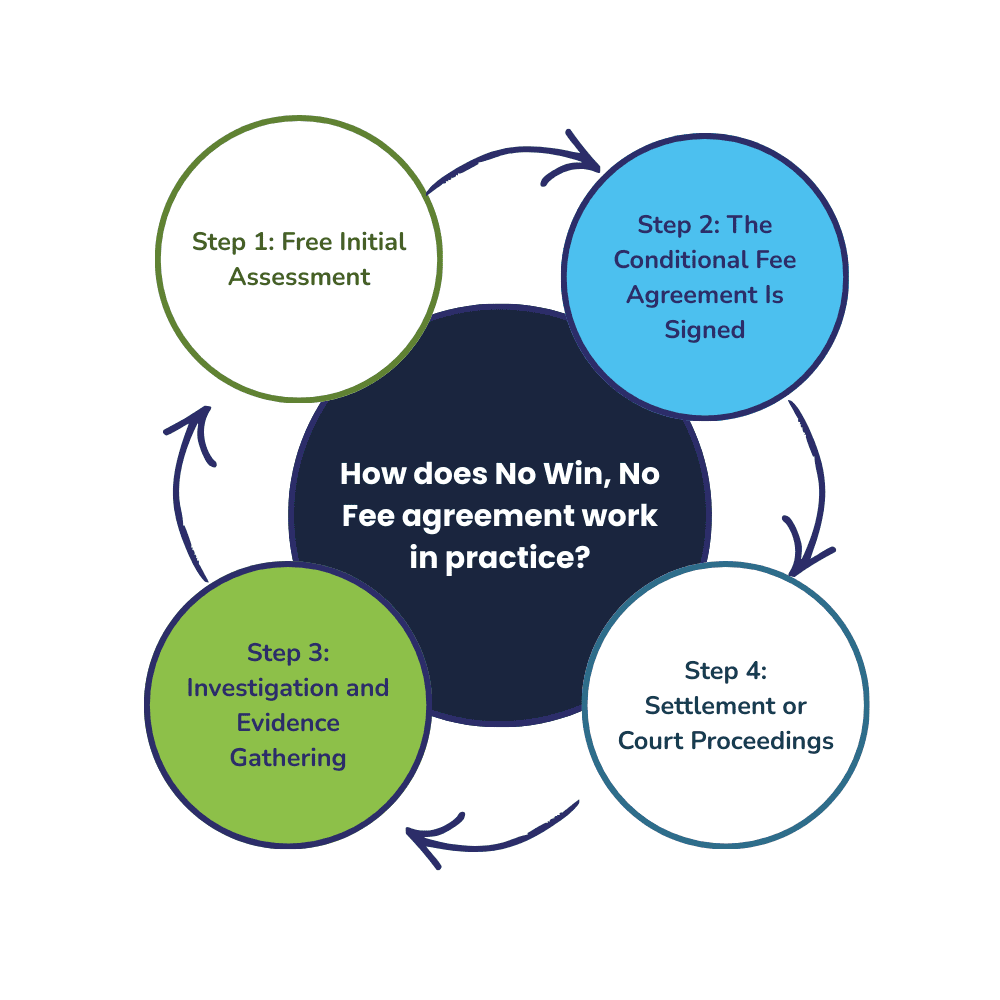
Step 1: Free Initial Assessment

We review your case at no cost and advise you on:

  •  Whether you have a valid claim
  •  The likely prospects of success
  •  The potential value of your case

If your claim has reasonable prospects, we offer to act under a No Win No Fee agreement.

Step 2: The Conditional Fee Agreement Is Signed

Before work begins, you will receive:

  •  A clear explanation of the success fee
  •  Details of how costs are handled
  •  Information about insurance protection

Everything is explained in straightforward language so you can make an informed decision.

Step 3: Investigation and Evidence Gathering

We, then:

  •  Obtain medical evidence
  •  Secure witness statements
  •  Request employer documentation
  •  Preserve CCTV where relevant
  •  Value your claim properly

We deal directly with the employer’s insurers, so you do not have to.

Step 4: Settlement or Court Proceedings

 Most accident at work claims settle without the need for a court hearing.
If settlement is achieved:

  •  Compensation is paid
  •  The agreed success fee is deducted
  •  The remainder is transferred to you

If the claim does not succeed, you do not pay our legal fees.

How a no win no fee agreement works

What About Legal Costs If the Claim Fails?

A common concern is:

“What if I lose — will I owe thousands of pounds?”

 In most cases:

  • You do not pay your solicitor’s fees
  • After-the-Event (ATE) insurance can protect you from paying the opponent’s legal costs
  • The cost of that insurance is only payable if you win

This structure is specifically designed to protect claimants from financial risk.

We explain all potential scenarios clearly before you proceed.

For more detailed information about funding and insurance, please visit our dedicated ‘No Win No Fee Claims’ page.

Why This System Exists

The No Win No Fee system was introduced to ensure:

  •  Access to justice for injured individuals
  •  Protection from financial hardship
  •  Fair legal representation
  •  Accountability where employers breach health and safety laws

Without this system, many injured workers would be unable to pursue legitimate claims

Is There Any Risk to Me?

While no legal claim can ever be described as “risk-free,” a properly structured No Win No Fee agreement significantly reduces financial exposure.

At NJS Law, we:

  •  Carefully assess claims before accepting them
  •  Provide written cost transparency
  •  Explain insurance protection
  •  Keep you informed at every stage

Our role is to ensure you understand exactly how funding works before making any decision.

We’re Here To Help

Why Choose NJS Law for Your Accident at Work Claim?

When you are injured at work, you need more than general advice — you need clear, strategic legal guidance from solicitors who understand employer liability, workplace regulations and insurer tactics.

At NJS Law, we act exclusively in the interests of injured individuals. We understand the physical, financial and emotional pressure that follows a workplace accident. Our role is to remove that pressure and handle the legal process with clarity and confidence. You can read what clients say about our service on our NJS Law reviews.

When you instruct NJS Law, you can expect:

We are experienced in handling claims involving:

  • Manual handling injuries
  • Slips, trips and falls
  • Construction site accidents
  • Machinery and equipment failures
  • Industrial and factory injuries 
  • Workplace head and back injuries

Every case is handled with attention to detail and a focus on achieving the best possible outcome for you.

Speak To NJS Law Today

If you have suffered an accident at work, early advice can make a significant difference to your claim.

Contact our Accident at Work Solicitors  today for a confidential discussion about your situation. We will explain:

  • Whether you have a valid claim
  • What your claim may be worth
  • How the No Win No Fee process works 
  • The next steps to protect your rights

There is no obligation to proceed – just clear professional advice.

Call us today or complete our online enquiry form to speak with a specialist accident at work solicitor.

Your recovery matters. Your rights matter.

Let NJS Law help you secure the compensation you deserve.

→ Learn more About Us

Frequently Asked Questions

Can I claim if the accident was partly my fault?

Yes. Even if you were partly responsible, you may still receive compensation under contributory negligence principles.

Your compensation may be reduced to reflect your share of responsibility, but you are not automatically prevented from claiming. Employers still have a legal duty to provide a safe working environment.

What if the accident wasn't recorded in the Accident Book?

You can still bring a claim.

While accident book entries are helpful evidence, they are not essential. Medical records, witness statements, CCTV footage and photographs can all support your case.

It is advisable to notify your employer in writing as soon as possible if the incident was not formally recorded.

How long do I have to make an accident at work claim?

In most cases, you have three years from the date of the accident to start court proceedings. You can read a detailed guide on accident at work time limits and how long you have to claim.

If your injury developed over time (for example, repetitive strain injury), the three year period may begin from the date you became aware that your condition was work-related.

There are exceptions for children and individuals lacking mental capacity.

Can my employer dismiss me for making a claim?

No. It is unlawful for an employer to dismiss or treat you unfairly for pursuing a legitimate personal injury claim. You can read more about your rights in our guide on being sacked for making an accident at work claim.

If your employer takes adverse action against you because you exercised your legal rights, this may amount to unfair dismissal or victimisation.

Will claiming compensation affect my job?

Most workplace accident claims are handled by the employer’ liability insurance.

The claim is made against the insurer – not directly against your employer personally. Professional employers understand that insurance exists for this purpose.

CONTACT US

Get in touch using the form below or via the following methods:
Ask NJS

For fast, friendly affordable legal advice. Contact a member of our team today.

FAQ

For any questions we may be able to answer, discover our FAQ section.

Categories
Accident at Work

Accident at Work Claims: How Much Compensation Could You Get?

Person at work

One of the most common questions we hear from injured workers is: “How much compensation could I actually receive?”

The truthful answer is that every claim is different. But that doesn’t mean you’re in the dark. UK courts and solicitors use established legal guidelines to calculate compensation, and understanding how those figures work can give you a realistic picture of what your claim may be worth.

This guide explains how compensation is calculated, provides guideline figures for the most common workplace injuries, and explains what can increase or reduce the amount you receive.

→ Ready to find out what your claim is worth? Start your accident at work claim today.

How Is Accident at Work Compensation Calculated?

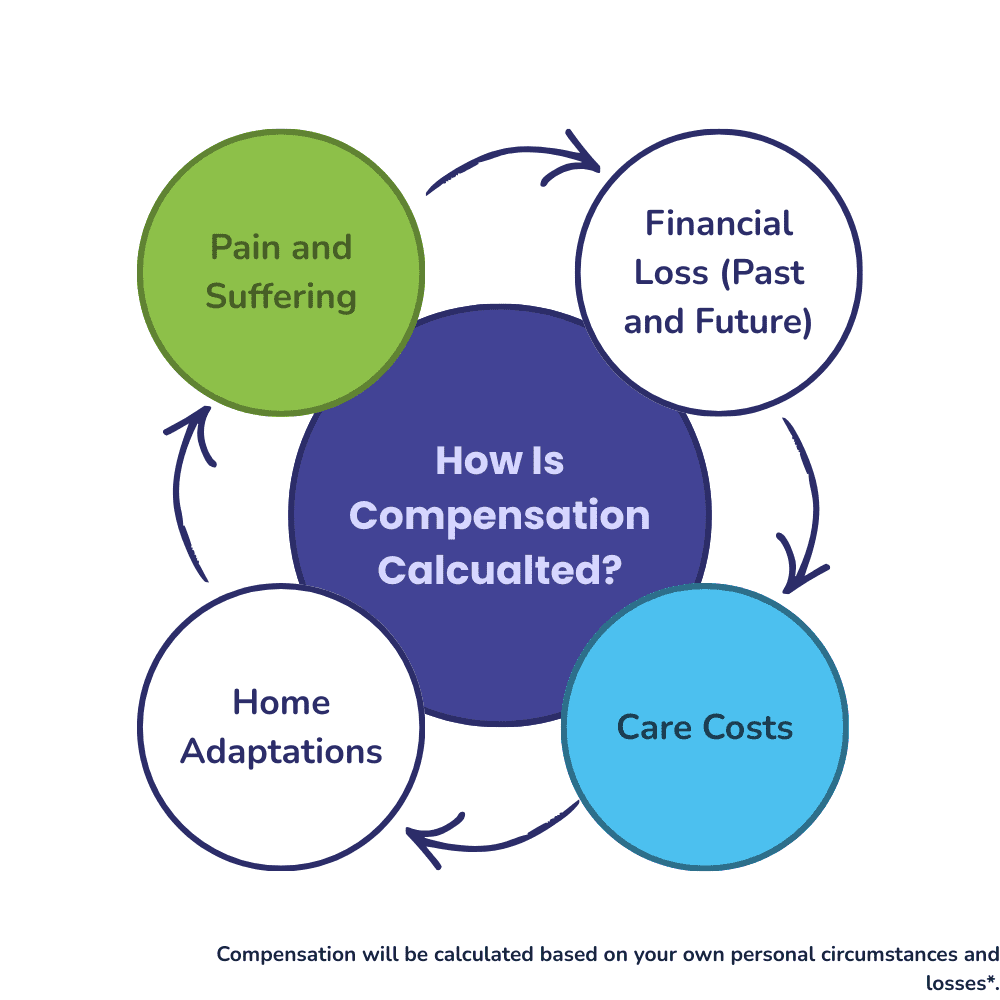
Compensation in a workplace injury claim is divided into two distinct categories: general damages and special damages. Most claims include both.

General Damages

General damages cover the non-financial impact of your injury — specifically:

  • Pain and suffering caused by the injury itself
  • Loss of amenity — the impact on your ability to enjoy activities, hobbies and daily life
  • Psychological impact — anxiety, depression, PTSD or other mental health consequences

These are assessed using medical evidence from an independent expert and valued against the Judicial College Guidelines (17th Edition and subsequent updates) — the authoritative legal reference used by courts across England and Wales to determine fair compensation for each injury type and severity.

Special Damages

Special damages cover every financial loss caused by your injury — past and future — including:

  • Lost earnings — wages lost while off work and, where relevant, projected future loss of income
  • Medical and treatment costs — physiotherapy, surgery, specialist appointments, medication
  • Travel expenses — trips to medical appointments and solicitor meetings
  • Care costs — paid or unpaid care provided by family members
  • Home adaptations — if your injury has affected your mobility or independence
  • Pension loss — where a serious injury affects your long-term earning capacity
  • Equipment costs — wheelchairs, prosthetics, assistive technology

Special damages require supporting evidence such as payslips, receipts, invoices and medical reports. Our solicitors will help you identify and document every loss to ensure nothing is missed.

How is compensation calculated

Accident at Work Compensation Figures by Injury Type

The figures below are guideline brackets derived from the Judicial College Guidelines, reported court decisions and comparable settled claims. They represent the general damages element only — your total compensation will be higher once special damages (lost earnings, treatment costs etc.) are added.

These are indicative ranges, not guaranteed amounts. The exact figure depends on your specific medical evidence, prognosis and the full financial impact of your injury.

Back Injuries

Back injuries are among the most common workplace injuries in the UK, particularly in manual handling, construction and warehousing.


SeverityGuideline Range
Minor — full recovery within months£2,450 – £7,890
Moderate — recurring or prolonged symptoms£12,510 – £27,760
Severe — significant long-term disability£38,780 – £69,730
Very severe — permanent disability, neurological damage£91,090 – £160,980

Neck Injuries

SeverityGuideline Range
Minor soft tissue / whiplash£2,450 – £7,890
Moderate — restricted movement, ongoing symptoms£13,740 – £24,990
Severe — fractures, discs, nerve damage£45,470 – £139,210

Shoulder Injuries

SeverityGuideline Range
Minor — full recovery£4,350 – £11,980
Moderate — frozen shoulder, limited movement£12,770 – £19,200
Serious — rotator cuff damage, surgery required£19,200 – £48,030

Hand and Wrist Injuries

SeverityGuideline Range
Minor fracture or soft tissue injury£3,890 – £6,730
Moderate — fracture with lasting complications£6,730 – £19,200
Severe — significant function loss£29,000 – £61,910
Loss of index finger£14,380 – £54,830
Loss of thumb£36,720 – £96,080

Arm Injuries

SeverityGuideline Range
Simple fracture — full recovery£6,190 – £19,200
Moderate — complications or incomplete recovery£19,200 – £39,170
Severe — permanent significant disability£39,170 – £59,860
Loss of one arm£96,160 – £137,160

Leg and Knee Injuries

SeverityGuideline Range
Minor knee injury — full recovery£14,840 – £26,190
Moderate knee injury — ongoing symptoms£26,190 – £43,460
Simple leg fracture — good recovery£9,110 – £27,760
Serious leg injury — multiple fractures£39,200 – £61,910
Amputation of leg below knee£102,470 – £137,610

Ankle Injuries

SeverityGuideline Range
Moderate — ligament damage, some ongoing issues£13,740 – £26,590
Severe — significant permanent disability£31,310 – £61,090

Foot Injuries

SeverityGuideline Range
Moderate — lasting symptoms but not disabling£13,740 – £24,990
Severe — serious permanent disability£41,970 – £70,030

Head and Brain Injuries

SeverityGuideline Range
Minor — no permanent symptoms£2,210 – £12,770
Moderate — some permanent effects£43,060 – £219,070
Moderately severe — significant disability£219,070 – £282,010
Very severe — permanent vegetative state or equivalent£282,010 – £403,990

Eye Injuries

SeverityGuideline Range
Minor — temporary loss of vision£3,950 – £8,730
Serious — significant permanent vision loss£49,270 – £95,990
Total blindness in one eye£49,270 – £95,990
Total blindness both eyes£268,720 – £321,560

Psychological Injuries

Psychological injuries — including anxiety, depression and PTSD following a workplace accident — are fully compensable as either standalone claims or alongside physical injuries.

SeverityGuideline Range
Minor — full recovery within 1–2 years£1,540 – £5,860
Moderate — significant symptoms, good prognosis£5,860 – £19,070
Moderately severe — marked problems, limited improvement£19,070 – £54,830
Severe — permanent significant disability£54,830 – £115,730

Life-Changing and Catastrophic Injuries

For the most serious workplace injuries — including spinal cord damage, brain injury with permanent disability, loss of multiple limbs or permanent vegetative state — compensation can range from £100,000 to over £500,000 for general damages alone. When lifetime care costs, loss of future earnings and specialist equipment are added as special damages, total settlements in catastrophic injury cases regularly exceed £1 million.

What Increases Your Compensation?

Several factors can significantly increase the value of your claim beyond the base injury bracket:

  • Long-term or permanent disability — where the injury affects your capacity to work or live independently for years to come
  • Ongoing symptoms — pain, restricted movement or neurological effects that persist after the initial recovery period
  • Surgery required — particularly where multiple procedures are needed or complications arise
  • Psychological impact — PTSD, anxiety or depression following the accident, especially where this is diagnosed and documented by a specialist
  • Career impact — inability to return to your previous role or profession, or reduced earning capacity going forward
  • Young claimants — injuries sustained early in a career attract higher compensation for future loss of earnings
  • Care needs — where a family member has given up work or significantly reduced their hours to care for you

In serious and life-changing injury cases, claims regularly include future care costs projected over a lifetime, and expert actuarial evidence is used to calculate the full financial impact.

What Reduces Compensation?

Your compensation may be reduced in certain circumstances:

  • Contributory negligence — if you were partly responsible for the accident (for example, not wearing provided PPE), your compensation may be reduced proportionally. However, you can still make a valid claim even if the accident was partly your fault.
  • Pre-existing conditions — if a pre-existing medical condition is aggravated rather than caused by the accident, compensation covers the worsening of that condition rather than its full extent
  • Failure to mitigate — if medical advice is not followed, or recommended treatment is refused without good reason, this can affect the value of a claim

Real Cases — What NJS Law Has Secured

Understanding compensation in the abstract is one thing. Seeing real outcomes is more useful:

  • £3.7 million — secured for a client seriously injured in a forklift accident at work, covering lifetime care, loss of earnings and specialist equipment
  • £33,000 — awarded after a client was injured on an overseas work assignment
  • £18,000 — recovered for a preventable arm injury caused by inadequate workplace safety
  • £9,500 — secured after a leg injury involving a pump truck in a warehouse setting
  • £4,000 — awarded after steel fell on a worker’s head due to poor safety precautions

Every case is different, but these outcomes reflect what is achievable when a claim is handled correctly from the outset.

Frequently Asked Questions

Can I claim if the accident was partly my fault?

Yes. Even if you were partly responsible, you may still receive compensation under contributory negligence principles. Your compensation may be reduced to reflect your share of responsibility, but you are not automatically prevented from claiming. Employers still have a legal duty to provide a safe working environment regardless of employee conduct.

What if the accident wasn't recorded in the Accident Book?

You can still bring a claim. While accident book entries are helpful evidence, they are not essential. Medical records, witness statements, CCTV footage and photographs can all support your case. It is advisable to notify your employer in writing as soon as possible if the incident was not formally recorded.

How long do I have to make an accident at work claim?

In most cases, you have three years from the date of the accident to start court proceedings. If your injury developed over time — for example, a repetitive strain injury — the three-year period may begin from the date you first became aware that your condition was work-related. There are exceptions for children and individuals lacking mental capacity. You can read a full guide on accident at work time limits.

Can my employer dismiss me for making a claim?

No. It is unlawful for an employer to dismiss or treat you unfairly for pursuing a legitimate personal injury claim. If your employer takes adverse action against you for exercising your legal rights, this may amount to unfair dismissal or victimisation. Read more in our guide on being sacked for making an accident at work claim.

Will claiming compensation affect my job?

Most workplace accident claims are handled by the employer’s liability insurer — not directly by your employer. Professional employers understand that insurance exists for this purpose. The claim process is designed to be separate from the employment relationship.

How long does an accident at work claim take?

Straightforward claims with clear liability can settle within a few months. More complex cases — particularly serious injuries or disputed liability — can take longer. Our solicitors keep you updated at every stage and work to secure the best outcome as efficiently as possible.

Speak to NJS Law Today

If you have been injured at work, early legal advice makes a real difference to the outcome of your claim. Our specialist accident at work solicitors can tell you:

  • Whether you have a valid claim
  • What your claim is likely to be worth based on your injury and circumstances
  • How the no win no fee process works
  • What steps to take next to protect your rights

There is no obligation to proceed — just clear, professional advice from solicitors who handle workplace injury claims every day.

Call us on 0800 6525 656 or complete our online enquiry form to speak with a specialist today.

CONTACT US

Get in touch using the form below or via the following methods:

Ask NJS

For fast, friendly affordable legal advice. Contact a member of our team today.

FAQ

For any questions we may be able to answer, discover our FAQ section.

Categories
Accident at Work

Can I Claim Compensation for an Accident at Work

Can I Claim Compensation for an Accident at Work?

If you have been injured at work, one of the first questions you may ask is: “Can I claim compensation?”

Many employees hesitate to pursue a claim because they:

  • Blame themselves for the accident
  • Feel loyal to their employer
  • Worry about losing their job
  • Assume compensation claims are complicated or confrontational

UK law provides strong protection for employees who are injured due to unsafe working conditions. Employers have a legal duty to protect your health and safety. If they fail to do so and you are injured as a result, you may be entitled to bring an accident at work claim. You can read more about your legal protections in our guide to workplace accident legal rights in the UK.

Compensation is not about punishing your employer — it is about ensuring you are financially supported if their breach of duty has caused you harm. You can learn more about potential claim values in our guide on accident at work claims and how much compensation you could get.

This guide explains:

  •  When you are legally entitled to claim
  •  The types of workplace accidents that qualify
  •  What must be proven
  •  Whether agency and temporary workers can claim
  • How claims are handled in practice
  • Understanding your rights is the first step towards protecting them.

When Are You Entitled to Claim?

You may be entitled to claim compensation if your employer breached their duty of care and that breach caused your injury.

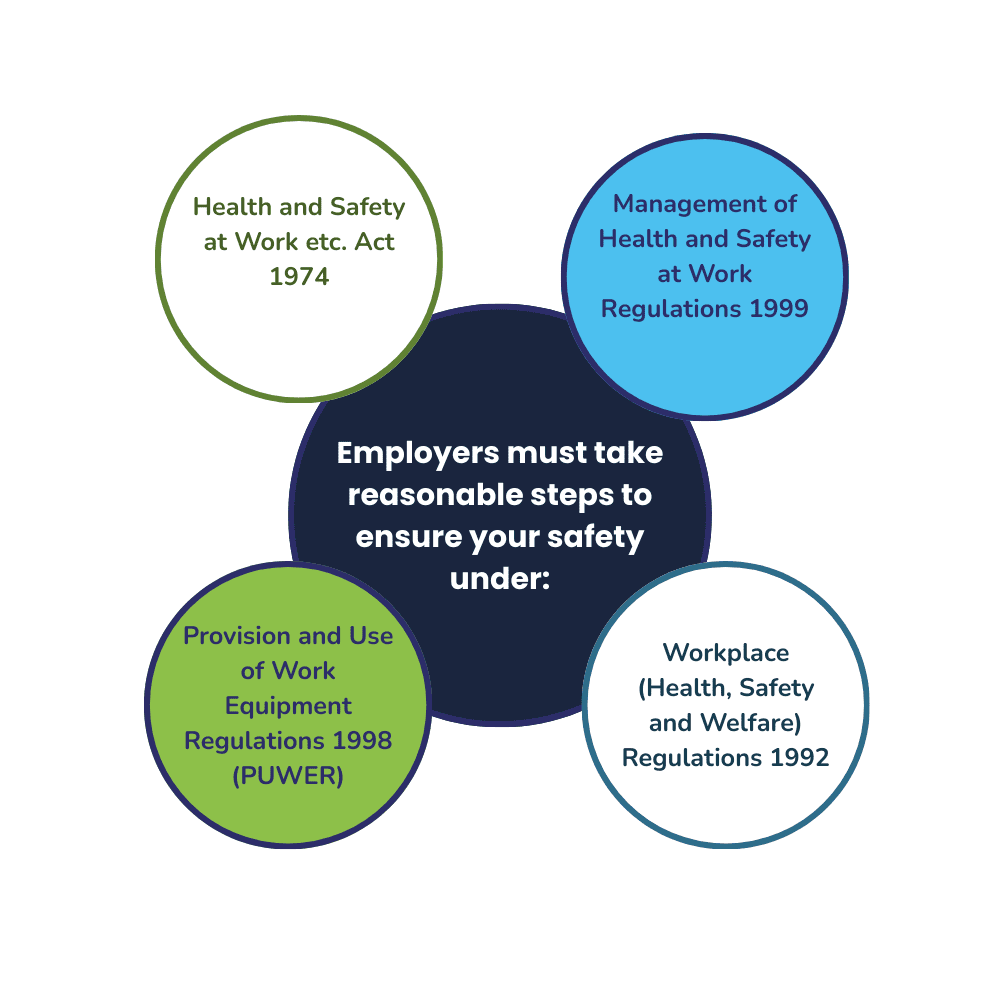
Employers must take reasonable steps to ensure your safety under:

Employers must take reasonable steps to ensure your safety under:

Common Causes of Workplace Accident Claims

You may have grounds to claim if your injury resulted from:

  •  Slips or trips due to spillages
  •  Unsafe flooring
  •  Falling objects
  •  Manual handling without proper training
  •  Defective machinery
  •  Lack of safety guards
  •  Inadequate PPE
  •  Poor supervision
  •  Exposure to hazardous substances

These are among the most common worksite personal injury claims we handle.

What Must Be Proven?

To succeed in a claim, you must prove:

  1. Your employer owed you a duty of care
  2. That duty was breached
  3. The breach caused your injury

Understanding the early steps to take can make a significant difference. Read our complete guide on what to do immediately after an accident at work.

A solicitor will investigate:

  •  Risk assessments
  •  Training records
  •  Maintenance logs
  •  CCTV
  •  Witness statements
  •  HSE involvement

Can Agency Workers Claim?

Yes. Your employment status does not remove your right to a safe workplace.

Agency workers, contractors and part-time staff are all protected.

Does Claiming Affect My Employer?

In most cases:

  • The claim is handled by insurers
  • The employer has mandatory Employers’ Liability Insurance
  • Compensation is paid by insurers

Claims are a legal process — not a personal attack.

We’re Here To Help

Why Choose NJS Law for Your Accident at Work Claim?

When you are injured at work, you need more than general advice — you need clear, strategic legal guidance from solicitors who understand employer liability, workplace regulations and insurer tactics.

At NJS Law, we act exclusively in the interests of injured individuals. We understand the physical, financial and emotional pressure that follows a workplace accident. Our role is to remove that pressure and handle the legal process with clarity and confidence. You can read what clients say about our service on our NJS Law reviews.

When you instruct NJS Law, you can expect:

We are experienced in handling claims involving:

  • Manual handling injuries
  • Slips, trips and falls
  • Construction site accidents
  • Machinery and equipment failures
  • Industrial and factory injuries 
  • Workplace head and back injuries

Every case is handled with attention to detail and a focus on achieving the best possible outcome for you.


Speak To NJS Law Today

If you have suffered an accident at work, early advice can make a significant difference to your claim.

Contact our Accident at Work Solicitors  today for a confidential discussion about your situation. We will explain:

There is no obligation to proceed – just clear professional advice.

Call us today or complete our online enquiry form to speak with a specialist accident at work solicitor.

Your recovery matters. Your rights matter.

Let NJS Law help you secure the compensation you deserve.

→ Learn more About Us

Frequently Asked Questions

Can I claim if the accident was partly my fault?

Yes. Even if you were partly responsible, you may still receive compensation under contributory negligence principles.

Your compensation may be reduced to reflect your share of responsibility, but you are not automatically prevented from claiming. Employers still have a legal duty to provide a safe working environment.

What if the accident wasn't recorded in the Accident Book?

You can still bring a claim.

While accident book entries are helpful evidence, they are not essential. Medical records, witness statements, CCTV footage and photographs can all support your case.

It is advisable to notify your employer in writing as soon as possible if the incident was not formally recorded.

How long do I have to make an accident at work claim?

In most cases, you have three years from the date of the accident to start court proceedings. You can read a detailed guide on accident at work time limits and how long you have to claim.

If your injury developed over time (for example, repetitive strain injury), the three year period may begin from the date you became aware that your condition was work-related.

There are exceptions for children and individuals lacking mental capacity.

Can my employer dismiss me for making a claim?

No. It is unlawful for an employer to dismiss or treat you unfairly for pursuing a legitimate personal injury claim. You can read more about your rights in our guide on being sacked for making an accident at work claim.

If your employer takes adverse action against you because you exercised your legal rights, this may amount to unfair dismissal or victimisation.

Will claiming compensation affect my job?

Most workplace accident claims are handled by the employer’ liability insurance.

The claim is made against the insurer – not directly against your employer personally. Professional employers understand that insurance exists for this purpose.

CONTACT US

Get in touch using the form below or via the following methods:

Ask NJS

For fast, friendly affordable legal advice. Contact a member of our team today.

FAQ

For any questions we may be able to answer, discover our FAQ section.

Categories
Accident at Work

Accident at Work: What to Do Immediately -Complete UK Guide-

Accident at Work: What to Do Immediately -Complete UK Guide-

What Should You Do After an Accident at Work?

If you’ve suffered an accident at work, knowing what to do immediately can protect:

  • Your health
  • Your job
  • Your legal rights
  • Your right to compensation

Many people feel unsure, worried about their employer’s reaction, or assume their injury is “just one of those things.” However, UK law places clear responsibilities on employers to protect their staff.

This guide explains the exact steps you should take.

Step 1: Seek Immediate Medical Attention

Your health must always come first.

Even if your injury appears minor, certain conditions — including whiplash, soft tissue injuries, concussions and back injuries — can worsen over time.

You should:

  • Call 999 in an emergency
  • Attend A&E if necessary
  • Visit your GP
  • Follow all medical advice

Medical records are vital evidence. If you later bring an accident at work claim, your medical notes will help prove:

  • The nature of your injuries
  • When symptoms began
  • The seriousness of the injury
  • Any long-term impact

Failing to seek medical attention early can weaken both your recovery and your claim.

Step 2: Report the Accident to Your Employer

Under UK law, workplace accidents must be properly recorded.

You should report the incident:

  • Immediately, or
  • As soon as reasonably possible

Ask for the accident to be entered into the Accident Book. This is a legal requirement for most workplaces.

Ensure the record includes:

  • Date and time
  • Location
  • How the accident occurred
  • Details of the injury
  • Names of witnesses

Take a photograph of the accident book entry for your records.

If your employer refuses to record the accident, send a follow-up email confirming what happened. This creates a written trail.

Step 3: Preserve Evidence

Evidence gathered early can make the difference between a straightforward claim and a disputed one.

If you are able, you should:

  • Take photographs of the accident scene
  • Photograph any defective equipment
  • Photograph spillages, broken flooring, or hazards
  • Keep damaged clothing or PPE
  • Obtain names and contact details of witnesses

If CCTV may have captured the incident, request that footage be preserved. Many systems automatically overwrite footage within days.

Step 4: Keep Financial Records

If your injury leads to financial loss, you may recover these costs as part of your claim. You can read more about potential claim values in our guide on accident at work claims and how much compensation you could get.

Keep records of:

  • Loss of earnings
  • Reduced overtime
  • Prescription charges
  • Travel expenses
  • Rehabilitation costs
  • Care provided by family members

These are known as special damages and can significantly increase the value of your claim.

Step 5: Seek Specialist Legal Advice

Many injured workers delay speaking to a solicitor because they:

  • Feel loyal to their employer
  • Fear losing their job
  • Assume the accident was their fault
  • Think claims are complicated

However, most accident at work claims are handled through the employer’s insurance and do not create direct conflict.

Early legal advice ensures:

  • Deadlines are protected
  • Evidence is preserved
  • Your rights are clearly explained
  • Insurers are dealt with properly

Why Choose NJS Law for Your Accident at Work Claim?

When you are injured at work, you need more than general advice — you need clear, strategic legal guidance from solicitors who understand employer liability, workplace regulations and insurer tactics.

At NJS Law, we act exclusively in the interests of injured individuals. We understand the physical, financial and emotional pressure that follows a workplace accident. Our role is to remove that pressure and handle the legal process with clarity and confidence. You can read what clients say about our service on our NJS Law reviews.

When you instruct NJS Law, you can expect:

We are experienced in handling claims involving:

  • Manual handling injuries
  • Slips, trips and falls
  • Construction site accidents
  • Machinery and equipment failures
  • Industrial and factory injuries 
  • Workplace head and back injuries

Every case is handled with attention to detail and a focus on achieving the best possible outcome for you.

Speak To NJS Law Today

If you have suffered an accident at work, early advice can make a significant difference to your claim.

Contact our Accident at Work Solicitors  today for a confidential discussion about your situation. We will explain:

There is no obligation to proceed – just clear professional advice.

Call us today or complete our online enquiry form to speak with a specialist accident at work solicitor.

Your recovery matters. Your rights matter.

Let NJS Law help you secure the compensation you deserve.

→ Learn more About Us

Frequently Asked Questions

Can I claim if the accident was partly my fault?

Yes. Even if you were partly responsible, you may still receive compensation under contributory negligence principles.

Your compensation may be reduced to reflect your share of responsibility, but you are not automatically prevented from claiming. Employers still have a legal duty to provide a safe working environment.

What if the accident wasn't recorded in the Accident Book?

You can still bring a claim.

While accident book entries are helpful evidence, they are not essential. Medical records, witness statements, CCTV footage and photographs can all support your case.

It is advisable to notify your employer in writing as soon as possible if the incident was not formally recorded.

How long do I have to make an accident at work claim?

In most cases, you have three years from the date of the accident to start court proceedings. You can read a detailed guide on accident at work time limits and how long you have to claim.

If your injury developed over time (for example, repetitive strain injury), the three year period may begin from the date you became aware that your condition was work-related.

There are exceptions for children and individuals lacking mental capacity.

Can my employer dismiss me for making a claim?

No. It is unlawful for an employer to dismiss or treat you unfairly for pursuing a legitimate personal injury claim. You can read more about your rights in our guide on being sacked for making an accident at work claim.

If your employer takes adverse action against you because you exercised your legal rights, this may amount to unfair dismissal or victimisation.

Will claiming compensation affect my job?

Most workplace accident claims are handled by the employer’ liability insurance.

The claim is made against the insurer – not directly against your employer personally. Professional employers understand that insurance exists for this purpose.

CONTACT US

Get in touch using the form below or via the following methods:
Ask NJS

For fast, friendly affordable legal advice. Contact a member of our team today.

FAQ

For any questions we may be able to answer, discover our FAQ section.

Categories
Dental Negligence

Dental Negligence Claims: A Step-by-Step Guide (UK)

How long does a dental negligence claim take

When patients experience dental negligence, understanding the timeline of a dental negligence claim is often a key concern. While every case is different, most claims follow a similar legal process. Several factors can influence how long a claim takes, including complexity, expert evidence, and whether the case settles early.

This guide explains each stage of a dental negligence claim and outlines what you can expect at every step.

Initial Investigation

First, the process begins with an initial investigation. During this stage, your solicitor gathers evidence to assess the strength of your claim. This typically includes obtaining dental records, reviewing treatment history, and consulting independent dental experts.

At the same time, your solicitor will evaluate whether the care you received fell below an acceptable standard. This stage is crucial, as it determines whether the claim can proceed.

Pre-Action Protocols

Next, solicitors must follow the pre-action protocols for dental negligence claims. This involves formally notifying the dentist or dental practice of the claim and setting out the allegations in detail.

As part of this process, both sides exchange information and evidence. Importantly, this stage encourages early settlement discussions and may resolve the claim without court proceedings.

Issuing a Formal Claim

However, if the claim does not settle during the pre-action phase, your solicitor may issue a formal legal claim. This step involves submitting court documents that outline the allegations and the compensation sought.

In most cases, a claim is issued within a few months of completing the pre-action protocols.

The Defendant’s Response

Once the claim is issued, the defendant has a limited period to respond. They may admit liability, deny the claim, or raise arguments about causation or value.

At this stage, negotiations often continue. As a result, the timeline can vary depending on how cooperative the parties are and how complex the issues remain.

Gathering Expert Evidence

In more complex cases, both sides may instruct independent dental experts. These experts provide opinions on whether the treatment met acceptable standards and whether negligence caused the injury.

Although expert evidence is essential, obtaining reports can take several months. Consequently, this stage often adds time to the overall dental negligence claim timeline.

Settlement Negotiations or Court Proceedings

Many dental negligence claims settle through negotiation before reaching court. If an agreement is reached, the claim can conclude relatively quickly.

On the other hand, if settlement proves impossible, court proceedings may follow. This inevitably extends the timeline, as the court sets deadlines and hearing dates.

Trial and Judgment

If the claim proceeds to trial, the court will hear evidence from both sides before delivering a judgment. The length of the trial and the time taken to receive a decision vary depending on the court’s schedule and the complexity of the case.

As a result, claims that reach this stage may take significantly longer to conclude.

How Long Does a Dental Negligence Claim Usually Take?

Overall, the timeline of a dental negligence claim depends on several factors. Straightforward claims may settle within 12 months. However, more complex cases can take several years, particularly if they proceed to trial.

Throughout the process, patience is essential. Staying informed and working closely with experienced solicitors can help reduce delays and ensure the claim progresses smoothly.

Get Expert Legal Advice

If you believe you have been affected by serious or gross dental negligence, seeking legal advice as early as possible is crucial. Understanding your rights and the available evidence will help you take confident and informed action.

Our Dental Negligence team has decades of combined experience successfully advising and representing clients in dental negligence claims. We are sympathetic, approachable, and committed to supporting you every step of the way.

Contact us today to discuss your dental negligence claim and arrange a free, no-obligation consultation.

CONTACT US

Get in touch using the form below or via the following methods:
Ask NJS Law

For fast, friendly affordable legal advice. Contact a member of our team today.

FAQ

For any questions we may be able to answer, discover our FAQ section.

Categories
Medical Negligence

Lens Opacification vs PCO (Secondary Cataract): What’s the Difference?

If you have noticed cloudy, hazy, or “misty” vision after cataract surgery or lens replacement surgery, it is natural to look for explanations. Two causes that are commonly discussed are:

  • Posterior capsule opacification (PCO) — sometimes called a “secondary cataract”

  • Intraocular lens (IOL) opacification — clouding of the implanted artificial lens itself

This article explains the difference in plain English and suggests practical questions you can ask at a review appointment.

Important: This page provides general information only and is not medical advice. Seek urgent medical care if you experience severe pain, sudden vision loss, flashes, floaters, or a red, painful eye.

Understanding Cloudy Vision After Cataract or Lens Replacement Surgery

After cataract or lens replacement surgery, most patients expect clearer vision. When vision becomes cloudy again, it can be worrying and confusing. Several conditions can cause similar symptoms, which is why careful examination and accurate diagnosis are important.

Two of the most commonly discussed causes are PCO and IOL opacification.

What Is PCO (Posterior Capsule Opacification)?

During cataract or lens replacement surgery, the natural lens is removed, but a thin transparent membrane called the posterior capsule is usually left in place. This capsule helps support the implanted lens.

Over time, this capsule can become cloudy. This is known as posterior capsule opacification (PCO).

Symptoms of PCO

PCO may cause:

  • blurred or cloudy vision,

  • glare or halos around lights,

  • reduced contrast or faded colours.

Why PCO Is Often Called a “Secondary Cataract”

PCO is sometimes referred to as a “secondary cataract,” but this can be misleading. The original cataract has not returned; instead, the supporting capsule has become cloudy. PCO is common and can develop months or years after surgery.

Common Management for PCO: YAG Laser Capsulotomy

PCO is often treated with a short outpatient procedure called a YAG laser capsulotomy.

What a YAG Laser Capsulotomy Involves

The laser creates a small opening in the cloudy capsule, allowing light to pass through more clearly and improving vision. The procedure is usually quick and painless.

When YAG Laser Treatment May or May Not Be Appropriate

Whether YAG laser treatment is appropriate depends on examination findings and individual circumstances. Not all causes of cloudy vision after surgery will improve with YAG treatment.

What Is IOL (Intraocular Lens) Opacification?

IOL opacification refers to clouding of the implanted artificial lens itself. This is different from PCO, although the symptoms can overlap.

Symptoms of IOL (Lens) Opacification

Patients may describe:

  • a gradual reduction in visual acuity,

  • persistent haze not improved by glasses,

  • glare or halos, particularly at night,

  • difficulty reading or driving in different lighting conditions.

Why Accurate Diagnosis Is Important

Other eye conditions can cause similar symptoms, which is why careful assessment is essential. Accurate diagnosis helps ensure that the most appropriate management plan is considered.

Why the Difference Between PCO and Lens Opacification Matters

Although PCO and IOL opacification can produce similar symptoms, they are different conditions and may require different management approaches.

Differences in Treatment and Management Options

In general terms:

  • PCO may be treated with YAG laser capsulotomy.

  • Lens-related issues or other causes may require monitoring, further investigation, referral, or, in some situations, discussion of lens exchange.

Questions to Ask at Your Review Appointment

You may find it helpful to prepare questions in advance.

Key Questions About Diagnosis

  • Is my reduced vision due to PCO, IOL opacification, or another cause?

  • What findings support that conclusion?

Questions About Treatment Options and Next Steps

  • Would YAG laser treatment help in my case, and why?
  • If YAG is not suitable or does not help, what are the next steps?
  • What lens model was implanted?
  • If lens exchange is discussed, what are the risks and expected outcomes for me
  • What symptoms should prompt urgent review?

Practical Record-Request Steps

If you are unsure about your diagnosis or options, it is reasonable to request copies of your medical records.

What Medical Records You Can Request

You may ask for:

  • implant details (lens model and serial or batch information, if recorded),

  • follow-up notes and test results (visual acuity, refraction, imaging),

  • copies of correspondence about advice and treatment plans.

Why Requesting Records Is Reasonable

Requesting records is not a criticism of any clinician. It is a sensible step to help you understand your care and make informed decisions.

When Legal Advice May Be Helpful

Legal advice may be appropriate if, after appropriate assessment and record review, you remain concerned about your care.

Concerns That May Warrant Legal Advice

These may include:

  • whether you were properly informed of risks and alternatives,

  • whether follow-up and investigation were appropriate,

  • how ongoing symptoms or complaints were managed.

Any potential claim is fact-specific and depends on medical evidence and independent expert opinion.

Speak to NJS Law

If you are experiencing cloudy vision or reduced acuity after cataract or lens replacement surgery and would like advice on practical next steps, NJS Law can review your circumstances and advise accordingly.

👉 Speak to our Clinical Negligence team

CONTACT US

Get in touch using the form below or via the following methods:

Ask NJS

For fast, friendly affordable legal advice. Contact a member of our team today.

FAQ

For any questions we may be able to answer, discover our FAQ section.

Categories
Medical Negligence

Time Limits for Eye Surgery Negligence Claims (England & Wales): Why “Date of Knowledge” Matters

Time Limits for Eye Surgery Negligence Claims

If you are concerned about the outcome of cataract surgery or lens replacement surgery, you may be wondering whether it is too late to bring a medical negligence claim.

This is a common concern in eye surgery cases, particularly where symptoms developed gradually or were only linked to the surgery some time later. In England & Wales, strict time limits apply, but those limits do not always run from the date of surgery itself.

This page explains, in general terms, how time limits usually work for eye surgery negligence claims and why the concept of the “date of knowledge” is often central.

Important: This information is general only and does not constitute legal advice. Limitation is fact-specific and should always be assessed individually.

In most medical negligence claims in England & Wales, court proceedings are generally expected to be issued within three years.

The Standard Three-Year Rule

The three-year period usually runs from either:

  • the date of the negligent treatment, or

  • the claimant’s date of knowledge.

Which of these applies will depend on the facts of the case.

What Is the “Date of Knowledge”?

The date of knowledge is not necessarily the date when symptoms first appeared.

Legal Meaning of “Date of Knowledge”

In broad terms, the date of knowledge is when you first knew, or could reasonably have known, that:

  • you had suffered a significant injury, and

  • the injury may be attributable to the medical treatment you received.

A formal diagnosis or confirmation of negligence is not always required for this date to arise.

Eye surgery claims often involve delayed or unclear symptoms, making the date of knowledge particularly relevant.

Gradual or Delayed Onset of Symptoms

In cataract and lens replacement surgery cases, problems may:

  • develop slowly over months or years,

  • fluctuate in severity, or

  • worsen progressively rather than appearing immediately.

Early Symptoms May Be Misattributed

Patients are frequently reassured that symptoms are unrelated to surgery, for example:

  • being told symptoms are due to dry eye,

  • being advised that new glasses are required, or

  • being reassured that symptoms are part of the normal ageing process.

In these circumstances, it may not be reasonable to expect a patient to suspect negligence at an early stage.

What Can Trigger a Date of Knowledge in Practice?

The date of knowledge is assessed on a case-by-case basis. Common triggers in eye surgery claims may include the following.

Clinical Advice or Disclosure

  • being told by a clinician that something may have gone wrong during surgery,

  • being informed that the surgical outcome is not as expected.

Discovery of Surgical or Implant Information

  • learning the type of intraocular lens implanted and realising it may be relevant,
  • discovering a discrepancy between what was consented to and what was implanted.
  •  

Investigations or Further Treatment

  • investigations confirming a likely cause of symptoms,

  • a recommendation for further procedures, such as lens exchange or corrective surgery.

  •  

Information That Raises Reasonable Suspicion

  • receiving information that reasonably leads you to suspect your symptoms may be linked to the original surgery.

  •  

Even where the date of knowledge may arise later, early advice is usually advisable.

Preservation of Evidence

As time passes:

  • medical records may be archived or harder to obtain,
  • implant labels and consent documentation may be more difficult to locate,
  • memories of events can fade.
  •  
  •  

Early Assessment of Limitation

Obtaining advice early allows limitation to be assessed properly and reduces the risk of avoidable procedural issues.

What to Do If You Are Unsure About Time Limits

If you are uncertain whether you are still within time to bring an eye surgery negligence claim, the following steps can help.

Request Your Medical Records

Obtain your full records, including surgical notes and implant details, from both NHS and private providers.

Prepare a Symptom and Treatment Timeline

Record:

  • when symptoms began,

  • how they progressed,

  • appointments attended, and

  • what you were told and when.

Seek Specialist Legal Advice

A solicitor experienced in medical negligence can review the records and advise whether your claim may still be brought.

Time limits are fact-specific. In England and Wales, many clinical negligence claims are subject to a three-year limitation period from the date of injury or date of knowledge (with exceptions). Early advice is often helpful while records are being gathered.

Speak to NJS Law

If you are concerned about time limits following cataract surgery or lens replacement surgery, NJS Law can review your circumstances and advise you on your position.

We regularly act in medical negligence claims and understand the particular issues that arise in eye surgery cases, including complex limitation questions and the date of knowledge.

👉 Speak to our Clinical Negligence team

CONTACT US

Get in touch using the form below or via the following methods:
Ask NJS

For fast, friendly affordable legal advice. Contact a member of our team today.

FAQ

For any questions we may be able to answer, discover our FAQ section.