
Categories
Dental Negligence

Dental Negligence Time Limits — How Long Do I Have to Claim?

Dental Negligence Time Limits_How Long Do I Have to Claim

The standard limit is three years — but there are important exceptions. Everything you need to know about the Limitation Act 1980, the date of knowledge rule, and what to do if time is running out.

Table of Contents

If you have been harmed by negligent dental treatment, one of the first — and most urgent — questions you will face is: how long do I have to make a claim? The answer is governed by the Limitation Act 1980, which sets strict time limits for bringing legal proceedings. Miss the deadline and, in most cases, your right to compensation is lost permanently — regardless of how strong your case might be.

This guide explains the standard three-year rule, the important exceptions that may give you more time, and the steps you should take if you are concerned that your deadline is approaching. If you believe you may have a dental negligence claim, the single most important thing you can do right now is seek legal advice without delay.

The Three-Year Rule — The Standard Time Limit

3 Years— the standard dental negligence time limit


Under Section 11(4) of the Limitation Act 1980, you have three years to begin a dental negligence claim. This applies to both NHS and private dental treatment. Once this period expires, your claim becomes time-barred and the court will not normally allow it to proceed.

The three-year period is known as the limitation period. It is not the deadline by which your case must be fully resolved — it is the deadline by which you must formally issue your claim at court. In practice, your solicitor will aim to issue proceedings well before this date to allow sufficient time for evidence gathering, expert reports and pre-action correspondence.

⚠️ Important


The limitation period is strictly enforced. Solicitors are generally unable to take on cases that are already statute-barred, because the prospects of the court exercising its discretion to allow a late claim are very low. Do not assume there is always more time.

When Does the Three-Year Clock Start?

The limitation period begins from whichever of the following two dates is the later:

Date of the negligent act

The date on which the negligent dental treatment was carried out — for example, the date of the extraction, the filling, the failed root canal, or the missed diagnosis.

Date of knowledge

The date on which you first knew — or reasonably ought to have known — that you had suffered harm as a direct result of negligent dental treatment. This is often the more relevant starting point and is explained in detail in the next section.

In straightforward cases — for example, where a dentist extracts the wrong tooth and the patient is immediately aware of what has happened — the two dates are the same and the clock starts running from the date of treatment. In more complex cases, particularly those involving a gradual worsening of a condition due to a missed or delayed diagnosis, the date of knowledge may be significantly later.

Download the Free Dental Negligence Claims Guide (PDF)


Our free guide covers the full claims process step-by-step — from what to do first and how to gather evidence, through to time limits, expert reports, and compensation. Download the Dental Negligence Claims Guide (PDF).

The Date of Knowledge Rule — Section 14 of the Limitation Act 1980

The date of knowledge principle is set out in Section 14 of the Limitation Act 1980. It recognises that patients do not always realise they have been harmed by negligent treatment on the day it happens. In those circumstances, it would be unjust to start the limitation clock from the date of treatment.

What counts as knowledge?

Under Section 14, you are taken to have the relevant knowledge when you know, or ought reasonably to have known, all of the following:

  • That you have suffered a significant injury or condition
  • That the injury was attributable — at least in part — to the act or omission of the dental professional
  • The identity of the defendant (the dentist or practice responsible)

You do not need to know that the treatment was legally negligent — only that the harm was connected to the treatment you received. This is an important distinction. Courts have held that suspecting something went wrong is enough to start the clock, even before you have formal confirmation from a solicitor or expert.

Common example: 
 
A dentist fails to diagnose and treat gum disease over several years of appointments. The patient eventually sees a new dentist who identifies the problem and explains that it has been progressing untreated for a significant period. The date of knowledge in this case is likely to be the date the new dentist made the patient aware of the issue — not the date of the original missed diagnosis.

Constructive Knowledge — What You Ought to Have Known

Alongside actual knowledge, the Limitation Act also introduces the concept of constructive knowledge. Under Section 14(3), a claimant is treated as having knowledge of facts that they could reasonably have been expected to discover — either from observable facts or with the assistance of appropriate expert advice, provided they took reasonable steps to obtain it.

In practical terms, this means that if the signs of negligence were reasonably apparent and a sensible person in your position would have sought a second opinion or raised a concern, the court may find that the limitation period started running from that earlier point — even if you personally did not make the connection at the time.

Example: A patient has a filling placed, which falls out shortly afterwards. It is replaced, and falls out again. This happens a third time. A court may conclude that a reasonable person would, by the third failed filling, have sought a second opinion and recognised that something was wrong. Constructive knowledge may be attributed from that point.

The date of knowledge test is therefore a hybrid of subjective knowledge (what you actually knew) and objective knowledge (what you ought to have known). This makes it one of the most contested issues in limitation disputes, and precisely why specialist legal advice at the earliest opportunity is so important.

Exceptions to the Three-Year Time Limit

The Limitation Act 1980 provides for a number of exceptions to the standard three-year rule. If any of these apply to your situation, you may have longer to bring your claim than you think.

👧 Children and Young People

Where the patient was under 18 at the time of the negligent treatment, the three-year limitation period does not begin until their 18th birthday. This means they have until their 21st birthday to issue a claim. Before that point, a parent, guardian or other appointed litigation friend can bring a claim on the child's behalf at any time.

🧠 Lack of Mental Capacity

Where the claimant lacks the mental capacity to manage their own legal affairs — for example due to a brain injury, dementia, or severe learning difficulties — the limitation period is suspended indefinitely. The three-year clock only begins to run if and when the claimant regains capacity. If capacity is never regained, a claim can be brought at any future time. A litigation friend can act on their behalf throughout.

⚰️ Death of the Patient

Where a patient has died as a result of — or during the period of — dental negligence, their family or estate has three years from the date of death — or three years from the date the family became aware that the death was connected to negligent treatment — to bring a claim under the Fatal Accidents Act 1976 and the Law Reform (Miscellaneous Provisions) Act 1934.

📅 Multiple Incidents

Where dental negligence involves a course of negligent treatment over a prolonged period — such as years of missed diagnoses — the limitation period may run from the date of the last negligent act in the series, rather than the first. This can significantly extend the time available to bring a claim.

Section 33 — Can the Court Give Me More Time?

In exceptional circumstances, courts have the power under Section 33 of the Limitation Act 1980 to allow a claim to proceed even after the limitation period has expired. This is known as the court exercising its discretion to disapply the limitation period.

When deciding whether to exercise this discretion, the court will consider a range of factors, including:

  • The length of the delay and the reasons for it
  • The extent to which the delay has prejudiced the defendant (for example, through the loss of evidence or fading of witness memories)
  • The conduct of the claimant — including whether they acted promptly once they became aware of the potential claim
  • The cogency of the evidence available despite the delay
  • Whether the claimant had a disability or other compelling reason for not acting sooner

Critical warning: 

Section 33 discretion is applied cautiously and sparingly. It is not a reliable safety net. Even in cases of genuine hardship — including serious illness or the effects of long COVID — courts have declined to extend the limitation period. 

You should never assume that Section 33 will save a time-barred claim. Seek advice immediately if your deadline is approaching.

What If I Think I Have Already Missed the Deadline?

If you believe the three-year limitation period may have passed, do not assume you have no options. There are two important avenues your solicitor may be able to explore:

1. Agreeing to extend time with the defendant

In some cases, it is possible to ask the defendant (or their insurer or defence organisation) to agree not to raise limitation as a defence. This is more commonly agreed in straightforward cases where the defendant has already made partial admissions or where the delay is short and easily explained. Your solicitor can make this request formally on your behalf.

2. Applying to court under Section 33

As explained above, your solicitor can make an application to court under Section 33 asking the judge to allow the claim to proceed despite the expired limitation period. This is not straightforward and success is not guaranteed — but in the right circumstances it is worth pursuing.

Our advice: Even if you are unsure whether you are in time, contact a specialist dental negligence solicitor immediately. The sooner advice is sought, the more options are available to you. Delay can only reduce those options further.

Does the Time Limit Differ for NHS and Private Patients?

No. The three-year limitation period under the Limitation Act 1980 applies equally to both NHS and private dental negligence claims. The legal rules governing time limits are identical regardless of how your treatment was funded.

The practical difference lies in who the claim is brought against — NHS England or the relevant Integrated Care Board for NHS treatment, or the practice’s professional indemnity insurer for private treatment — but this has no bearing on the limitation period itself.

Claims Following the Death of a Patient

Where a patient has died and their family wishes to bring a dental negligence claim on their behalf, two pieces of legislation apply:

  • The Law Reform (Miscellaneous Provisions) Act 1934 — allows the deceased’s estate to pursue a claim for losses suffered by the patient before their death
  • The Fatal Accidents Act 1976 — allows certain dependants (spouse, children, parents) to claim for their own losses resulting from the death

In both cases, the standard limitation period is three years from the date of death, or three years from the date on which the claimant first had knowledge that the death was connected to dental negligence — whichever is later. These claims can be complex and specialist legal advice should be sought as early as possible.

Why You Should Act Now — Even If You Think You Have Time

Even where the limitation period has not yet expired, there are compelling reasons to instruct a solicitor as early as possible:

  • Evidence preservation — dental records, X-rays and clinical notes can be lost, destroyed or altered over time. Early access to records ensures the evidence base for your claim is as complete as possible.
  • Expert availability — instructing and obtaining reports from independent dental experts takes time. Starting early gives your solicitor the time to find the right expert for your specific type of claim.
  • Negotiation leverage — claims that are well-prepared and presented early often settle faster and for higher amounts than those rushed to the deadline.
  • Peace of mind — knowing that your claim is in the hands of a specialist solicitor removes the stress of managing deadlines yourself.
  • Avoiding errors — calculating limitation dates can be complex, particularly in cases involving the date of knowledge, children or multiple incidents. A specialist solicitor will ensure the correct date is identified and that proceedings are issued in time.

No Win No Fee — Claim Without Financial Risk

The vast majority of dental negligence claims are funded through a Conditional Fee Agreement (CFA), commonly known as No Win No Fee. Under this arrangement:

  • You pay nothing upfront and nothing if your claim is unsuccessful
  • If you win, a percentage of your compensation (agreed in advance and subject to a legal cap) is paid to your solicitor
  • After-the-Event (ATE) insurance can be taken out to cover the defendant’s legal costs in the unlikely event your claim fails

No Win No Fee arrangements make dental negligence claims accessible to everyone, regardless of personal financial resources. Your solicitor will explain the terms clearly before any agreement is signed.

Want to know what your claim could be worth?

Speak to a specialist dental negligence solicitor for a free, no-obligation assessment. No win, no fee.

Frequently Asked Questions

How long do I have to make a dental negligence claim in the UK?

Under the Limitation Act 1980, you generally have three years to bring a dental negligence claim. This period starts from the date of the negligent treatment or from the date you first became aware that the treatment caused your harm — whichever is later.

The date of knowledge is the date on which you first knew — or reasonably ought to have known — that you suffered harm as a result of negligent dental treatment. Where this is later than the date of treatment, the three-year limitation period runs from the date of knowledge.

Yes. Where the patient was under 18 at the time of treatment, the three-year period does not begin until their 18th birthday, meaning they have until their 21st birthday to issue a claim. A parent or litigation friend can also bring a claim on their behalf before they turn 18.

Your claim becomes time-barred and the court will not normally allow it to proceed. In very exceptional circumstances, courts can exercise discretion under Section 33 of the Limitation Act 1980 to allow a late claim — but this is rarely granted and should not be relied upon. Always seek advice immediately if your deadline is approaching.

Yes. The three-year limitation period applies equally to NHS and private dental negligence claims. The legal rules governing time limits are identical regardless of how your treatment was funded.

Constructive knowledge means the court treats you as having known about the negligence at an earlier point if the signs were reasonably apparent and a sensible person in your position would have recognised them — even if you personally did not. For example, if a filling repeatedly failed, a court might find you ought to have suspected negligence and sought a second opinion.

Yes. All dentists registered with the GDC are required to maintain indemnity arrangements. Even if your dentist has retired or the practice has closed, a claim can still be made against their indemnity provider in most circumstances.

Legal disclaimer: This article is for general informational purposes only and does not constitute legal advice. Every dental negligence case turns on its individual facts. You should seek independent legal advice from a qualified solicitor before taking any action. This guide reflects the law in England and Wales as at June 2025. Different rules may apply in Scotland and Northern Ireland.

CONTACT US

Get in touch using the form below or via the following methods:

Ask NJS

For fast, friendly affordable legal advice. Contact a member of our team today.

FAQ

For any questions we may be able to answer, discover our FAQ section.

Categories
Dental Negligence

How to Prove Dental Negligence in the UK

How to Prove Dental Negligence in the UK

Everything you need to know about duty of care, the Bolam test, evidence and your right to compensation — for NHS and private patients.

Table of Contents

What Is Dental Negligence?

Dental negligence occurs when a dental professional — a dentist, orthodontist, oral surgeon or hygienist — provides a standard of care that falls below what is reasonably expected, and that failure causes you harm. The harm can be physical pain, psychological distress, financial loss, or a combination of all three.

If you believe you have been affected, you may be entitled to make a dental negligence claim but to succeed, you must be able to prove three specific legal elements under UK law.

It is important to distinguish between an unfortunate outcome (a recognised complication that can arise even with competent treatment) and genuine negligence (a failure that a reasonably competent dentist would not have made). Not every dental problem amounts to a legal claim; the care must fall below the accepted standard and that shortfall must have caused your injury.

In plain terms: Something went wrong with your dental treatment, it was the dentist’s fault (not just an unavoidable risk), and you suffered as a result. All three conditions must be present.

The Three Legal Elements You Must Prove

To succeed with a dental negligence claim in the UK, you must establish all three of the following elements. These mirror the requirements in any clinical negligence case under English and Welsh law.

1. Duty of Care

All dental professionals registered with the General Dental Council (GDC) — the UK-wide statutory regulator — owe a duty of care to their patients. The GDC publishes clear standards of practice that every registrant must meet. This duty exists whether you are being treated on the NHS or privately, and whether the clinician is a fully qualified dentist, a dental nurse, a dental therapist, or an orthodontist. Because the duty of care is universal across all registered dental professionals, you rarely need to spend much time proving this element. The focus of most dental negligence cases is on breach of duty and causation.

2. Breach of Duty & The Bolam Test

Proving a breach of duty means demonstrating that the treatment you received did not meet the standard expected of a competent dental professional. The principal legal tool used to make this assessment is the Bolam test, established in Bolam v Friern Hospital Management Committee [1957].

What the Bolam Test Asks

The Bolam test assesses whether the dentist's actions would be supported by a responsible body of their professional peers acting in the same circumstances. In practical terms, independent dental experts will review your treatment and ask: "Would a group of competent, responsible dentists have acted in the same way?" If the answer is no, a breach of duty is established.

The Bolitho Refinement

The Bolam test was refined by the House of Lords in Bolitho v City and Hackney Health Authority [1997] 2 AC 150. The court held that a defendant cannot automatically escape liability simply by producing expert witnesses who would have acted in the same way. The expert opinion relied upon must also be capable of withstanding logical analysis — it must be both responsible and reasonable. In dental negligence cases, this means that even if a dentist finds a body of peers who would have treated you in the same way, the court can still find a breach of duty if that approach cannot be logically justified. In practice, Bolitho gives courts the power to reject expert evidence that is technically supportable but logically indefensible.

It is worth noting the Bolitho refinement (from Bolitho v City and Hackney Health Authority [1997]), which added that the expert opinion relied upon must have a logical basis. A defendant dentist cannot escape liability simply by finding a peer who would have done the same thing if that view cannot be logically justified.

Practical example: A dentist extracts a tooth without first taking an adequate X-ray to confirm which tooth requires removal, and the wrong tooth is removed. A responsible body of dentists would agree that an X-ray should have been taken first. The dentist has breached the standard of care.

The Role of Independent Expert Evidence

Because the standard of care is assessed by reference to professional peers, independent dental expert reports are essential. Your solicitor will instruct a suitably qualified dental expert — often a specialist in the area of dentistry relevant to your treatment — to review your records and produce a written opinion on whether the care fell below the required standard. This expert report forms the backbone of your breach-of-duty case.

3. Causation — Linking the Negligence to Your Harm

Even where it is clear that a dentist has provided substandard care, you must still prove that the negligence caused the harm you suffered. This is known as establishing causation, and it is frequently the most technically demanding aspect of a dental negligence claim.

The “But For” Test

The primary legal test for causation in English law is the “but for” test, established in Barnett v Chelsea & Kensington Hospital Management Committee [1969]. It asks a simple but demanding question: would you have suffered the harm you experienced but for the dentist’s negligence? In other words, if the dentist had acted competently, would your injury still have occurred?

If the answer is yes — meaning the harm would have happened regardless — causation fails and your claim cannot succeed on that basis. If the answer is no — meaning the negligence was the decisive factor — causation is established.

Example: A dentist fails to diagnose early-stage gum disease over two years of appointments. By the time it is identified, you have lost three teeth. The question becomes: had the diagnosis been made at the first missed opportunity, would those teeth have been saved? If expert evidence confirms they would, the “but for” test is satisfied.

Why Causation Can Be Complex

Causation is particularly challenging where a patient has pre-existing dental conditions or a complicated treatment history. For example, if a tooth required extraction in any event, it may be difficult to show that a delayed diagnosis made a material difference to the outcome. This is why detailed dental records, chronological treatment histories and expert analysis are all crucial.

Key principle: The defendant is liable only for damage that would not have occurred in the absence of the negligent treatment. Your expert and solicitor will work together to trace that causal link as clearly as possible through your records and medical evidence.

Download the Free Dental Negligence Claims Guide (PDF)

Our free guide covers the full claims process step-by-step — from what to do first and how to gather evidence, through to time limits, expert reports, and compensation. Download the Dental Negligence Claims Guide (PDF).

Common Examples of Dental Negligence in the UK

Dental negligence can take many forms. The following are among the most frequently seen types of claim, though this list is not exhaustive:

  • Misdiagnosis or delayed diagnosis — failing to identify oral cancer, gum disease, decay or infection at an early stage, leading to more serious harm
  • Extraction of the wrong tooth — removing a healthy tooth rather than the problematic one
  • Nerve damage — injury to the inferior alveolar or lingual nerve during a lower wisdom tooth removal
  • Failed or substandard root canal treatment — incorrectly performed treatment leading to persistent infection or tooth loss
  • Poor crown, bridge or implant work — ill-fitting restorations causing pain, bite problems or further tooth damage
  • Failure to obtain informed consent — not explaining material risks of a procedure before carrying it out
  • Failure to manage or refer infections — allowing an infection to spread due to delayed or inadequate treatment
  • Inadequate post-operative care and follow-up — failing to monitor complications after a procedure
  • Cross-infection due to poor sterilisation — failing to sterilise instruments properly, leading to infection
  • Unnecessary or unjustified treatment — carrying out treatment that was not clinically indicated, causing avoidable harm

What Evidence Supports a Dental Negligence Claim?

You do not need to prove negligence yourself — that is your solicitor’s job, supported by independent expert evidence. But the material you already have, or can gather early, can significantly strengthen your position.

🦷 Your dental records & X-Rays

Your full treatment notes, charting, X-rays and radiographs establish what was done, when, and whether it met the required standard.

📋 Independent Expert Report

A specialist dental expert provides a written professional opinion on breach of duty and, if appropriate, causation.

📸 Photographs

Images of visible injuries — swelling, damage, scarring or disfigurement — provide powerful visual evidence.

📓 Symptoms Diary

A day-by-day record of your pain, difficulties (eating, speaking, sleeping) and emotional impact helps demonstrate the ongoing effects of the negligence.

💰 Financial Records

Receipts for corrective treatment, medication, travel to appointments and evidence of lost earnings support your special damages claim.

👥 Witness Statements

A family member, friend or chaperone present at appointments can corroborate your account of what happened and how it has affected you.

🏥 GP & Hospital Records

Any secondary care received (A&E attendances, hospital admissions, GP consultations) as a result of the dental negligence is documented here.

✉️ Correspondence

Letters or emails between you and the dental practice regarding your treatment, complaints or concerns are valuable supporting documents.

Your dental negligence solicitor will request your records directly from the practice — you have a legal right of access under the UK GDPR — and will coordinate the instruction of appropriate expert witnesses on your behalf.

Time Limits — How Long Do You Have to Claim?

3 Years to bring a dental negligence claim
 

Under the Limitation Act 1980, the standard time limit is three years from the date of the negligent treatment — or from the date you first became aware that you had been harmed by negligent treatment, if that is later. Do not delay seeking advice.

Exceptions to the Three-Year Rule

  • Children: If the patient was under 18 at the time of treatment, the three-year clock does not start until their 18th birthday. A litigation friend can bring a claim on their behalf at any point before that.
  • Mental incapacity: Where the claimant lacks the mental capacity to pursue a claim, the limitation period is suspended indefinitely. If capacity is subsequently regained, the three-year period begins from that point.
  • Court discretion: In exceptional circumstances, courts retain discretion under section 33 of the Limitation Act 1980 to allow a claim outside the limitation period — but this is applied cautiously and is not a reliable safety net.

Important: If you are approaching the three-year deadline, seek legal advice immediately. Even the strongest claim cannot proceed if it is issued out of time.

What Compensation Can You Claim?

If your dental negligence claim succeeds, compensation is designed to put you back in the financial position you would have been in had the negligence not occurred. Awards typically consist of two components:

General Damages

General damages compensate you for pain, suffering and loss of amenity. The value is guided by the Judicial College Guidelines (JCG), which publish bracket ranges for different types of dental and facial injuries. Factors that influence the award include the severity of the injury, whether it is permanent, the impact on daily activities (eating, speaking, social confidence) and any psychological effects.

Special Damages

Special damages reimburse you for financial losses that are a direct consequence of the negligence. These may include:

  • The cost of corrective dental treatment already incurred
  • The estimated future cost of remedial treatment
  • Loss of earnings (past and future)
  • Travel and accommodation expenses for medical appointments
  • Prescription and medication costs
  • Any other out-of-pocket expenses arising from the negligence

Compensation amounts vary considerably depending on the facts. Temporary pain and discomfort will attract a lower award than permanent nerve damage or the loss of multiple teeth. In complex cases — particularly those involving serious disfigurement or long-term disability — six-figure settlements are not uncommon.

NHS vs Private Dental Negligence Claims

The legal test for negligence — duty of care, breach and causation — is identical whether your treatment was provided on the NHS or privately. The key practical differences lie in who is liable and how the complaint pathway works.

NHS Dental Negligence

Claims against NHS dentists are technically claims against NHS England or the relevant Integrated Care Board (ICB). Before commencing legal proceedings, some patients choose to raise a formal complaint through the NHS complaints procedure, which can help to gather information and establish a chronology of events — though this is not a legal prerequisite to claiming.

Private Dental Negligence

Private dental practices carry their own professional indemnity insurance. The claims process proceeds in the same way as an NHS claim, but you will be dealing with the practice’s insurer rather than the NHS. The practice’s internal complaints procedure may be a useful first step, and you can also refer unresolved complaints to the Dental Complaints Service.

No Win No Fee — Making a Claim Without Financial Risk

The vast majority of dental negligence claims are funded through a Conditional Fee Agreement (CFA), commonly known as No Win No Fee. Under this arrangement:

  • You pay nothing upfront and nothing if your claim is unsuccessful
  • If you win, a percentage of your compensation (agreed in advance and subject to a legal cap) is paid to your solicitor
  • After-the-Event (ATE) insurance can be taken out to cover the defendant’s legal costs in the unlikely event your claim fails

No Win No Fee arrangements make dental negligence claims accessible to everyone, regardless of personal financial resources. Your solicitor will explain the terms clearly before any agreement is signed.

Want to know what your claim could be worth?

Speak to a specialist dental negligence solicitor for a free, no-obligation assessment. No win, no fee.

For a complete guide to making a dental negligence claim — including compensation ranges, time limits, and the claims process — see NJS Law’s dental negligence claims service page.

Frequently Asked Questions

What is the time limit for making a dental negligence claim in the UK?

Under the Limitation Act 1980, you generally have three years from the date of the negligent treatment — or from the date you first became aware of the harm — to begin a claim. Exceptions apply for children (time runs from their 18th birthday) and those lacking mental capacity (time is suspended).

The Bolam test is the legal standard used to assess whether a dentist breached their duty of care. It asks whether a responsible body of dental professionals would have supported the treatment provided. If a reputable group of peers would not have treated you in the same way, the dentist has likely breached the standard of care.

Yes. Both NHS and private dental patients can make a dental negligence claim. The legal requirements are the same in both cases. NHS claims are in effect made against NHS England, while private claims are directed at the practice’s indemnity insurer.

Key evidence includes your full dental records and X-rays, an independent expert report on the standard of care, a symptoms diary, photographs of visible injuries, witness statements, and proof of financial losses. Your solicitor will help gather and assess all of this.

Awards depend on the severity and permanence of your injury, the impact on your life, and any financial losses you have suffered. Minor temporary injuries may attract awards of a few thousand pounds; serious, permanent injuries such as nerve damage or significant tooth loss can result in much larger settlements.

Straightforward cases where liability is admitted early can settle within a few months. Complex cases — particularly those where liability is disputed or where the extent of injury is still evolving — may take one to three years or longer to conclude.

Yes. All dentists registered with the GDC are required to maintain indemnity arrangements. Even if your dentist has retired or the practice has closed, a claim can still be made against their indemnity provider in most circumstances.

Legal disclaimer: This article is for general informational purposes only and does not constitute legal advice. Every dental negligence case turns on its individual facts. You should seek independent legal advice from a qualified solicitor before taking any action. This guide reflects the law in England and Wales as at June 2025. Different rules may apply in Scotland and Northern Ireland.

CONTACT US

Get in touch using the form below or via the following methods:

Ask NJS

For fast, friendly affordable legal advice. Contact a member of our team today.

FAQ

For any questions we may be able to answer, discover our FAQ section.

Categories
Dental Negligence

A Complete Guide to Dental Negligence Claims in the UK (Step-by-Step)

A Complete Guide to Dental Negligence Claims in the UK (Step-by-Step)

“This guide explains the dental negligence claims process in detail.

If you’re ready to speak to a solicitor about your situation, visit our dental negligence claims page for a free consultation.”

Dental negligence can cause avoidable pain, infection, tooth loss, nerve damage, and expensive corrective treatment — often leaving patients uncertain about their rights and unsure where to start.

This guide explains the dental negligence claims process in plain English: how to gather evidence, what negligence actually means in legal terms, how expert witnesses assess your case, and what to expect at each stage — including when a dentist disputes liability.

Ready to speak to a solicitor?

If you’ve already experienced dental harm and want to discuss your situation with a specialist, visit our dental negligence claims page for a free, no-obligation consultation. This guide is designed to help you understand the process first.

Download the Free Dental Negligence Claims Guide (PDF)

Our free guide covers the full claims process step-by-step — from what to do first and how to gather evidence, through to time limits, expert reports, and compensation. Download the Dental Negligence Claims Guide (PDF).

What Dental Negligence Actually Means in Legal Terms

A poor dental outcome is not automatically negligence. Many things can go wrong in dentistry without anyone being at fault — a filling can fail, an extraction can be more complex than expected, and healing can be unpredictable.

A successful dental negligence claim needs to show three things:

  1. Duty of care — the dental professional owed you a duty (almost always straightforward once a treatment relationship existed)
  2. Breach of duty — treatment fell below the standard a reasonably competent dentist would have provided in the same circumstances
  3. Causation — that breach directly caused the harm you suffered, rather than the harm arising from a pre-existing condition or an unavoidable risk

Causation is often the hardest element to prove. For example, a root canal reinfection might be caused by a dentist’s poor technique — or by the natural complexity of the tooth’s anatomy. Establishing which requires independent expert evidence.

Example: A filling failing within a year is not automatically negligent. It may be if there is evidence that decay was not fully removed before placement, that isolation technique was poor, or that the patient reported symptoms that were dismissed without further investigation.
 

For a full overview of the types of treatment that commonly give rise to claims — including implants, root canals, orthodontics, and cosmetic dentistry — see our dental negligence claims page.

What Evidence Supports a Dental Negligence Claim?

You do not need to prove negligence yourself — that is your solicitor’s job, supported by independent expert evidence. But the material you already have, or can gather early, can significantly strengthen your position.

Your dental records

Your full dental records are the foundation of any claim. You are legally entitled to request them from your dentist or dental practice under UK data protection law, and they must provide them within one month. Your solicitor will also formally request them as part of the claims process, but requesting them early yourself can help you understand what treatment you actually received and identify gaps or inconsistencies.

Dental records relevant to a claim typically include:

Clinical notes and treatment history for every appointment

X-rays, CT scans, and other imaging taken before, during and after treatment

Treatment plans and consent forms — including what risks were explained to you

Referral letters — or the absence of referrals that should have been made

Laboratory prescriptions for crowns, bridges, dentures, or orthodontic appliances

Follow-up notes — particularly where you reported ongoing symptoms

Important: If you notice that your records seem incomplete — appointments you attended are not documented, or X-rays you remember being taken are missing — flag this to your solicitor immediately. Unexplained gaps in dental records can themselves be relevant evidence.

Evidence you can gather yourself

Beyond the clinical records, the following personal evidence can support a claim and help your solicitor build a fuller picture:

  • Photographs of swelling, bruising, gum damage, facial asymmetry, or visible dental problems — taken as soon as possible and dated
  • A symptom diary recording pain levels, medication taken, the impact on eating, speaking, and daily life, and any appointments you attended as a result
  • Correspondence with the dental practice — emails, letters, text messages, or any written response to a complaint
  • Financial records — receipts for private remedial treatment, travel expenses to additional appointments, prescription costs, and any evidence of lost earnings
  • Private quotes or reports from a second dentist who assessed the damage — these can provide an early independent view on what went wrong and what corrective work is needed
  • Witness evidence from anyone who accompanied you to appointments, observed your pain or distress, or heard conversations with the dentist about your treatment

Can I Still Claim If I Signed a Consent Form?

Yes — and this is one of the most common misconceptions in dental negligence. Signing a consent form does not prevent you from making a claim.

For consent to be legally valid, it must be informed consent. That means the dental professional must have:

  • Explained the proposed treatment clearly in terms you could understand
  • Disclosed all material risks — risks that a reasonable patient in your position would want to know about before deciding whether to proceed
  • Explained the likely outcomes and any alternatives to the proposed treatment, including doing nothing
  • Given you adequate time to consider the information and ask questions

A signature on a generic consent form — particularly one signed immediately before treatment, or without any meaningful discussion of risks — does not necessarily demonstrate that proper informed consent was obtained.

The Montgomery standard: Since the 2015 Supreme Court ruling in Montgomery v Lanarkshire Health Board, the legal test for informed consent in the UK shifted from what a reasonable doctor would disclose to what a reasonable patient would want to know. This is particularly relevant in dental negligence cases involving procedures such as implants, orthodontic treatment, or root canal surgery, where the risks of nerve damage, implant failure, or long-term complications should be explicitly discussed before treatment begins.
 

If you were not told about a risk that then materialised — and you would have chosen differently had you known — that failure of consent may form part of your claim even if the procedure itself was technically performed competently.

What If You Are Still Receiving Treatment?

If you are currently mid-treatment and have concerns about negligence, the situation requires careful handling — and specialist legal advice before you decide how to proceed.

Should you continue treatment with the same dentist?

In most cases, it is advisable to seek an independent dental opinion before continuing treatment with the same practice. There are two reasons for this. First, a second dentist can give you an objective view of whether the treatment so far has been appropriate and what, if anything, has gone wrong. Second, continuing treatment with the same dentist — particularly if they are aware you have raised concerns — can complicate the evidence picture.

However, if you are in the middle of time-sensitive treatment such as orthodontics, implant placement, or infection management, abruptly stopping may itself cause harm. Your solicitor can advise on the safest course for your specific situation.

Preserving the current condition for expert review

In some cases — particularly where failed restorative work is visible, or where an implant is in place but causing problems — it may be important to have an independent expert examine or photograph the current state before any corrective work is carried out. Once a new dentist has repaired the damage, the evidence of the original negligence may be harder to reconstruct from records alone.

Your solicitor will advise whether urgent preservation steps are needed before any further dental work proceeds.

Completing urgent corrective work first

Your health comes first. If you need urgent corrective treatment — to treat an active infection, to stabilise a failing implant, or to address a dental emergency — this should not be delayed for the sake of preserving evidence. Your solicitor can work with the available records, photographs, and expert assessment even where corrective work has already been carried out.

The Role of the Independent Dental Expert

Independent expert evidence is the cornerstone of most dental negligence claims. Without it, even a claim with strong factual evidence is unlikely to succeed — the court requires a qualified dental professional to assess the standard of care provided and connect any failings to the harm caused.

Who is the expert?

The expert is an independent, qualified dental professional — typically a specialist in the relevant field (for example, an oral surgeon for implant claims, a periodontist for gum disease claims, or an endodontist for root canal claims). They must have no prior involvement in your treatment and no connection to the defendant dental practice.

What does the expert assess?

The expert will be asked to provide a written report addressing some or all of the following:

  • Whether the treatment you received fell below the standard of a reasonably competent dentist in that field
  • What a competent dentist would have done differently in the same circumstances
  • Whether the harm you suffered was caused by the negligent treatment or by a pre-existing condition or unavoidable risk
  • What corrective or remedial treatment you are likely to need and an estimate of the cost
  • Your long-term prognosis — including whether the damage is permanent, whether it is likely to worsen, and what ongoing maintenance may be required
  • In cases involving consent failures — whether the risks that materialised were ones that should have been disclosed before treatment
The expert’s report is disclosed to the defendant as part of the pre-action protocol process. The defendant’s dental indemnity insurer will typically instruct their own expert in response. If the two experts’ views differ significantly, the court may direct them to produce a joint statement identifying the areas of agreement and disagreement — known as a “without prejudice” experts’ meeting.

The Pre-Action Protocol — What Happens Before a Formal Claim

The vast majority of dental negligence cases are resolved without ever going to court. Before formal proceedings are issued, both parties are required to follow the Pre-Action Protocol for the Resolution of Clinical Disputes — a process designed by the courts to encourage early information exchange and settlement.

1- Obtaining records and initial investigation

Your solicitor requests your full dental records, commissions independent expert evidence, and assesses the merits of the claim. This stage can take several months, particularly where specialist expert availability is limited.

2 – Letter of Notification (optional but recommended)

An early informal notification to the defendant that a claim is being considered. This gives them the opportunity to begin their own investigation and can speed up the overall process. It does not start the formal protocol clock.

3 – Letter of Claim

A formal letter setting out the full details of the alleged negligence, the harm caused, and the compensation sought. The defendant — usually their dental indemnity insurer — hasfour monthsto investigate and respond.

4 – Letter of Response

The defendant either admits or denies liability. If they admit, negotiation on quantum (the amount of compensation) begins. If they deny, the parties enter a period of further evidence exchange — which may include disclosure of the defendant’s own expert report.

5 – Negotiation and settlement

Most claims settle at this stage without court proceedings. Settlement can be reached through direct negotiation between solicitors, or through formal mediation. If agreement cannot be reached, court proceedings may be issued — but this remains relatively uncommon in dental negligence cases.

What Happens If the Dentist Disputes Liability?

A denial of liability in the Letter of Response does not end your claim — it is a normal part of the process. Dental indemnity insurers are instructed to investigate thoroughly and will rarely admit liability without reviewing the full evidence.

When liability is disputed, the following typically happens:

  • Exchange of expert evidence — both your expert and the defendant’s expert provide reports, which are then shared between the parties
  • Joint experts’ meeting — the two experts may be directed to meet (in person or remotely) to produce a joint statement narrowing the issues in dispute
  • Further negotiation — even where liability is initially denied, claims frequently settle once both experts’ reports have been exchanged and the areas of genuine dispute become clear
  • Court proceedings — if settlement cannot be reached, your solicitor will issue a formal claim at court. Most cases still settle before a final hearing
A denial is not a dead end. Many claims that are initially denied settle successfully once the full expert evidence is in place. The strength of your independent expert’s report — and the quality of the clinical records — are the most important factors at this stage.

The figures below are indicative ranges based on the Judicial College Guidelines — the framework used by courts across England and Wales to value personal injury claims. They reflect general damages only; special damages and future care costs are assessed separately and may increase the total significantly.

Time Limits for Dental Negligence Claims

In most cases, you must start a claim within three years of either:

  • the date of the negligent treatment, or
  • the date you first became aware — or could reasonably have become aware — that you may have received negligent treatment (your “date of knowledge”)

The date of knowledge rule is particularly important in dental cases, because many people only discover that treatment was negligent when:

  • they seek a second opinion and a new dentist identifies errors in previous work
  • an implant fails or a crown deteriorates prematurely
  • an infection worsens or recurs despite treatment
  • nerve damage symptoms persist longer than the original dentist indicated they would

Special time limit rules apply for children (the three-year period does not begin until they turn 18) and for people who lack mental capacity. If you are unsure whether your claim is in time, seek legal advice as soon as possible — the rules are complex and missing the limitation period is one of the few things that cannot be recovered.

How Much Compensation Could You Receive?

Compensation in a dental negligence claim covers both the physical impact of the negligence (general damages) and any financial losses — including corrective treatment costs, lost earnings, and travel expenses (special damages). Where long-term or ongoing treatment is required, future costs are included in the valuation.

The indicative ranges below are based on the Judicial College Guidelines — the framework courts use to value personal injuries — and reflect general damages only.

Type of dental negligenceKey factors consideredIndicative range
Nerve damageInferior alveolar or lingual nerve injurySeverity, permanence, impact on taste, speech or sensation£12,000 – £95,000+
Delayed diagnosisOral cancer, gum disease or other conditionStage at diagnosis, treatment required, long-term prognosis£15,000 – £150,000+
Jaw fractureCaused by negligent procedure or techniqueSeverity, recovery period, long-term complications£8,000 – £35,000
Multiple tooth lossNegligent extractions or untreated gum diseaseNumber of teeth, reconstructive treatment, aesthetic impact£8,000 – £45,000+
Orthodontic negligenceBraces, aligners or treatment planning errorsSeverity of misalignment, corrective treatment needed, duration of harm£5,000 – £30,000
Cosmetic dentistry failureImplants, veneers, crowns or composite bondingCost of corrective work, psychological impact, aesthetic outcome£3,000 – £25,000
Failed root canal treatmentReinfection, instrument fracture or poor techniqueOngoing pain, further treatment required, tooth loss£2,500 – £15,000
Single tooth lossNegligent extraction or wrong tooth removedAge, implant or bridge costs, aesthetic and functional impact£2,000 – £12,000

Important — please read before relying on these figures
These ranges are provided as a general guide only, based on the Judicial College Guidelines (16th edition), and do not constitute legal advice or a guarantee of outcome. The value of any individual claim depends on its specific facts and circumstances. Special damages — including the cost of corrective dental treatment, lost earnings, and travel — are assessed separately and are not reflected in the ranges above. For an accurate assessment of what your claim may be worth, contact our solicitors for a free, no-obligation consultation.

Want to know what your claim could be worth?

Speak to a specialist dental negligence solicitor for a free, no-obligation assessment. No win, no fee.

Funding Your Claim: No Win No Fee

Most dental negligence claims at NJS Law are funded by a Conditional Fee Agreement (no win, no fee), which means:

  • No upfront legal costs
  • No legal fees if the claim is unsuccessful
  • If successful, a capped success fee is deducted from your compensation — the maximum is set by law

We will explain the funding arrangement clearly at the outset so you understand exactly what you will receive if your claim succeeds.

Frequently Asked Questions

Can I claim if I signed a consent form?

Yes. A signature does not mean informed consent was properly obtained. Consent must include a clear explanation of material risks, alternatives, and likely outcomes. Under the Montgomery standard, dentists must disclose any risk a reasonable patient would want to know — not just risks the dentist considers significant.

Seek an independent second opinion before continuing if possible. In some cases it may be important to preserve the current condition for expert review before further work is carried out. If you need urgent treatment, your health comes first — your solicitor can work with the available records and expert assessment even where corrective work has already been done.

No. A formal complaint to the practice is not a prerequisite for a legal claim. That said, the practice’s response to any complaint you have already made — including any admissions or explanations — can be useful evidence. The GDC complaints process and a legal claim are entirely separate routes.

Yes. Claims can be brought whether your original treatment was NHS or private. If negligent NHS treatment has caused you to need private remedial work — implants, specialist referrals, or complex restorations — the cost of that private treatment is recoverable as special damages.

A denial is not the end. Many claims that are initially denied settle once the full independent expert evidence is exchanged. Your solicitor will review the defendant’s denial and expert evidence and advise on whether to continue to court proceedings or pursue further negotiation. The majority of dental negligence cases still settle even after an initial denial of liability.

Straightforward claims where liability is admitted early can settle within 12–18 months. More complex cases — particularly those involving disputed liability, significant expert evidence, or ongoing treatment needs — can take 2–4 years. Your solicitor will give you a realistic timeline based on the specifics of your case.

Yes. Claims can be brought on behalf of children (the three-year limitation period does not begin until they turn 18), on behalf of someone who has died as a result of negligent dental treatment, and on behalf of someone who lacks the mental capacity to bring a claim themselves.

CONTACT US

Get in touch using the form below or via the following methods:

Ask NJS

For fast, friendly affordable legal advice. Contact a member of our team today.

FAQ

For any questions we may be able to answer, discover our FAQ section.

Categories
Occupier Liability

What Is Occupier Liability in the UK?

what is occupier liability law in the UK?

Occupier liability is the legal responsibility of a person or organisation that controls premises to ensure that people on those premises are reasonably safe.

It is a core area of UK personal injury law and commonly arises in cases involving:

If an occupier fails to take reasonable care and someone is injured as a result, they may be legally liable to pay compensation.

If you are unsure about the steps to take after an accident, our guide on what to do immediately after being injured on someone else’s property explains how to protect both your health and your legal position.

Who Is Considered an "Occupier"?

The term occupier does not simply mean the legal owner of a property.

An occupier is any person or organisation that exercises sufficient control over premises.

This can include:

  • Business operators
  • Tenants
  • Landlords
  • Managing agents
  • Property management companies
  • Event organisers
  • Homeowners

In some situations, more than one party may be considered an occupier. For example:

  • A landlord may retain responsibility for structural repairs
  • A tenant business may control day-to-day safety
  • A managing agent may oversee maintenance

Liability depends on who had control of the area where the accident occurred.

What Law Governs Occupier Liability?

Occupier liability in the UK is primarily governed by two pieces of legislation:

This Act applies to lawful visitors, people who are invited or permitted to be on the premises.

It imposes a duty on occupiers to take reasonable care to ensure visitors are reasonably safe for the purposes for which they are invited or allowed to be there.

This includes customers in shops, diners in restaurants, tenants in rental properties, and guests in private homes.

This Act applies to non-visitors, including trespassers.

Although the duty is more limited, occupiers may still owe a responsibility where:

  • They are aware of a danger
  • They know people may come into the vicinity of that danger
  • The risk is one against which they could reasonably provide protection

This often arises in cases involving construction sites, abandoned buildings, or hazardous land.

What Does "Reasonable Care" Mean?

The law does not require occupiers to guarantee absolute safety. Instead they must take reasonable steps to reduce foreseeable risks.

What is reasonable depends on:

  • The type of premises
  • The level of foot traffic
  • The nature of the hazard
  • How ling the hazard existed
  • Whether inspections were carried out
  • The cost and practicality of fixing the issue

For example:

  • A supermarket is expected to have regular floor inspections and prompt clean-up systems.
  • A homeowner may not b expected to inspect flooring every hour but should repair obvious defects
  • A landlord must address reported structural hazards within a reasonable timeframe.

The standard is based on foreseeability and practicality, not perfection.

Common Examples of Occupier Liability Claims

Occupier Liability claims frequently arise from:

  • Wet floors without warning signs
  • Spillages left unattended
  • Uneven paving stones
  • Loose carpets or flooring
  • Broken steps or missing handrails
  • Poor lighting in stairwells
  • Untreated ice in car parks
  • Falling stock in retail premises

In each case, the key issue is whether the occupier knew, or should reasonably have known, about the danger and failed to act.

How Is Occupier Liability Proven?

To succeed in a claim, a claimant must prove:

  1. The defendant was the occupier of the premises
  2. A duty of care was owed
  3. The duty was breached
  4. The breach caused the injury

This often involves examining:

  • Inspection systems
  • Cleaning records
  • Maintenance logs
  • Repair history
  • CCTV footage
  • Witness statements

For example, in a slip and fall case, the court may consider whether the spillage had been present long enough that reasonable inspection procedures would have identified it.

Does Occupier Liability Apply to Private Homes?

Yes.

Occupier liability is not limited to commercial premises. It also applies to private properties.

If a homeowner fails to repair a dangerous defect, such as a broken step or loose flooring, and a guest is injured, they may be legally responsible.

However, most homeowner claims are handled through home insurance policies that include public liability cover.

Occupier Liability vs Public Liability

These terms are often confused.

  • Occupier liability refers to the legal duty arising from control of premises
  • Public liability insurance is the insurance policy that covers businesses or individuals against such claims.

In practice, if you are injured in a shop, restaurant or private home, the claim is usually handled by the occupier’s insurer.

Time Limits for Occupier Liability Claims

In most cases, you have three years from:

  • The date of the accident, or
  • The date you became aware your injury was linked to the accident

Exceptions apply for children and individuals lacking mental capacity.

Failing to issue court proceedings within the time limit can prevent you from bringing a claim.

Why Occupier Liability Law Matters

Occupier liability law exists to ensure that those who control property take safety seriously.

It encourages:

  • Proper maintenance systems
  • Regular inspections
  • Prompt hazard removal
  • Safe access for visitors

When standards fall short and injury occurs, the law provides a route to compensation for:

  • Pain and suffering
  • Loss of earnings
  • Medical expenses
  • Ongoing care needs

If you have been injured on someone else’s premises, understanding occupier liability is the first step in determining whether you may have a valid claim.

Why Choose NJS Law for Your Occupier Liability Claim?

When you are injured on someone else’s property, you need clear advice from solicitors who understand premises liability law and insurer tactics.

At NJS Law, we act exclusively for injured individuals. We understand the physical, financial and emotional impact of unexpected accidents. You can read what clients say about our service on our NJS Law reviews.

When you instruct NJS Law, you can expect:

  • Clear, honest advice
  • Thorough investigation of liability
  • Strategic handling of insurers
  • Realistic assessment of compensation
  • No Win No Fee representation in appropriate cases

We handle claims involving:

  • Slip and fall accidents
  • Supermarket accidents
  • Restaurant and café injuries
  • Landlord negligence
  • Injuries at private homes
  • Accidents in public buildings

Every case is handled with care and attention to detail.

Speak To NJS Law Today

If you have suffered an injury on someone else’s property, early advice can make a significant difference.

Contact our Occupier Liability Solicitors today for a confidential discussion about your situation. We will explain:

There is no obligation to proceed – just clear professional advice.

Call us today or complete our online enquiry form to speak with a specialist occupier liability solicitor.

Your recovery matters. Your rights matter.

Let NJS Law help you secure the compensation you deserve.

→ Learn more About Us

We’re Here To Help

Frequently Asked Questions

What is the difference between occupier liability and negligence?

Occupier liability is a specific branch of negligence law that applies to accidents occurring on premises.

While general negligence covers a wide range of situations, occupier liability focuses specifically on the duty owed by those who control property to people who enter it.

In simple terms:

  • Negligence is the broader legal concept
  • Occupier liability is how negligence applies to premises and properly related accidents.

Does the occupier have to be the property owner?

No.

An occupier is anyone who has sufficient control over the premises.

For example:

  • A tenant running a shop may be responsible for day-to-day safety
  • A landlord may remain responsible for structural defects
  • A managing agent may oversee maintenance of communal areas

More than one party can be legally responsible on who controlled the area where the accident occurred.

What duty does an occupier owe to visitors?

Under the Occupiers’ Liability Act 1957, occupiers owe lawful visitors a duty to take reasonable care to ensure they are reasonably safe.

This does not mean eliminating all risk. Instead, it requires:

  • Proper maintenance
  • Reasonable inspection systems
  • Prompt repair of hazards
  • Adequate warnings where appropriate

The duty is based on reasonableness, not perfection.

What about trespassers?

Trespassers are covered under the Occupiers’ Liability Act 1984.

Although the duty is lower, occupiers may still be liable if:

  • They know of a danger
  • They know people may come near it, and
  • They could reasonably take steps to prevent harm

For example, failing to secure a dangerous building that children regularly enter could create liability.

What types of accidents fall under occupier liability?

Common examples include:

  • Slips on wet floors
  • Trips on uneven paving
  • Falls down poorly lit staircases
  • Injuries caused by defective handrails
  • Falling objects in shops
  • Injuries in communal areas of rental properties

Each case depends on whether reasonable steps were taken to prevent foreseeable harm.

What must I prove to win an occupier liability claim?

You must prove:

  1. The defendant was the occupier
  2. They owed you a duty of care
  3. They breach that duty
  4. The breach caused your injury

It is not enough to show you were injured, you must show the injury occurred because the occupier failed to take reasonable care.

What evidence is important in occupier liability cases?

You must prove:

  1. The defendant was the occupier
  2. They owed you a duty of care
  3. They breach that duty
  4. The breach caused your injury

It is not enough to show you were injured, you must show the injury occurred because the occupier failed to take reasonable care.

CONTACT US

Get in touch using the form below or via the following methods:

Ask NJS

For fast, friendly affordable legal advice. Contact a member of our team today.

FAQ

For any questions we may be able to answer, discover our FAQ section.

Categories
Occupier Liability

The Occupiers’ Liability Act 1984

The Occupiers’ Liability Act 1984

The Occupiers’ Liability Act 1984

When accidents occur on land where someone did not have permission to be — such as abandoned buildings, construction sites or private land — liability is not automatically excluded.

The Occupiers’ Liability Act 1984 governs the duty owed by occupiers of premises to non-visitors, including trespassers.

Although the duty under the 1984 Act is more limited than the duty owed to lawful visitors under the Occupiers’ Liability Act 1957, it does not mean occupiers owe no responsibility at all.

In certain circumstances, an occupier can still be legally liable if a trespasser or other non-visitor suffers injury due to a dangerous condition on the land.
The Act strikes a balance between:

  •  Protecting landowners from unfair liability, and
  •  Preventing occupiers from ignoring serious, foreseeable dangers.

Understanding when the 1984 Act applies is essential if an injury occurred in circumstances involving trespass or unauthorised entry.

What Is the Occupiers’ Liability Act 1984?

The Occupiers’ Liability Act 1984 sets out when a duty of care may arise towards individuals who are not lawful visitors.
Unlike the 1957 Act, which imposes a general “common duty of care” to visitors, the 1984 Act only imposes a duty in specific circumstances involving known and foreseeable dangers.
It applies where:

  •  A dangerous condition exists on the land
  •  The occupier is aware of that danger
  •  The occupier knows people may come near it
  •  It would be reasonable to offer protection

This most commonly arises in cases involving:

  •  Abandoned or derelict buildings
  •  Unsecured construction sites
  •  Dangerous land features
  •  Industrial premises
The Occupiers’ Liability Act 1984

When Does a Duty Arise Under the 1984 Act?

Under Section 1 of the Act, a duty is owed only if three conditions are satisfied:

  1.  The occupier is aware of the danger (or has reasonable grounds to believe it exists).
  2.  The occupier knows or has reasonable grounds to believe that someone may come into the vicinity of the danger.
  3.  The risk is one against which the occupier may reasonably be expected to offer some protection.

All three elements must be present.
If they are, the occupier owes a duty to take reasonable care to prevent injury from the identified danger.

What Does “Reasonable Protection” Mean?

The duty under the 1984 Act is narrower than under the 1957 Act.
Occupiers are not required to make premises fully safe for trespassers. However, they may need to take reasonable steps such as:

  •  Securing abandoned buildings
  •  Locking gates or fencing off hazardous areas
  •  Posting clear warning signs
  •  Boarding up unsafe structures
  • Repairing extremely dangerous defects

The law balances personal responsibility with the occupier’s knowledge of foreseeable risk.

Common Situations Where the 1984 Act Applies

Claims under the 1984 Act commonly arise in cases involving:

  •  Abandoned or derelict buildings
  •  Unsecured construction sites
  •  Open shafts or pits
  •  Unfenced drops or cliffs
  •  Disused industrial land
  •  Dangerous machinery left accessible
  •  Uncovered wells or water hazards

A recurring issue is children entering unsecured premises. The courts recognise that children may not appreciate certain risks in the same way adults do.

The Importance of Foreseeability

Foreseeability is central to claims under the 1984 Act.
An occupier is not automatically liable simply because someone trespassed and was injured.
The court will consider:

  • Was it foreseeable that people might trespass?
  • Had there been previous incidents?
  • Was the danger obvious or concealed?
  • How serious was the risk?
  • How easy would it have been to reduce the risk?

For example, if children regularly enter an abandoned site through a broken fence and the occupier is aware of this, failing to repair the fence or secure dangerous features may amount to a breach.

Obvious Risks and Personal Responsibility

The 1984 Act recognises that some dangers are obvious.
Courts may find that an occupier is not liable where:

  • The risk was clearly apparent
  • The injured person voluntarily accepted the risk
  • The occupier had no reason to expect anyone would be present

Personal responsibility plays a greater role under the 1984 Act than under the 1957 Act.

Differences Between the 1957 and 1984 Acts

While both Acts concern premises liability, there are important differences:

1957 Act

1984 Act

Applies to lawful visitors

Applies to trespassers and non-visitors

Imposes a “common duty of care”

Imposes a limited duty in defined circumstances

Focuses on making premises reasonably safe

Focuses on protection from known dangers

Broader scope of protection

Narrower and more restrictive

The 1984 Act does not create a general obligation to make land safe for all intruders. It addresses specific, foreseeable dangers.

Proving a Claim Under the 1984 Act

To succeed, a claimant must prove:

  1. A dangerous condition existed.
  2. The occupier knew (or should have known) about it.
  3. The occupier knew (or should have known) that people might come near it.
  4. Reasonable steps were not taken to reduce the risk.
  5. The breach caused the injury.
Evidence may include:
  • Photographs of the site
  • Prior complaints or reports
  • Evidence of previous trespassing
  • Maintenance records
  • Witness statements
These cases can be complex and highly fact-specific.

Why the 1984 Act Matters

The Occupiers’ Liability Act 1984 reflects a balance between:

  •  Protecting landowners from excessive liability, and
  •  Preventing occupiers from ignoring serious, foreseeable dangers.

It ensures that occupiers cannot simply disregard hazardous conditions where they know people are likely to encounter them.

Why Choose NJS Law for Your Occupier Liability Claim?

When you are injured on someone else’s property, you need clear advice from solicitors who understand premises liability law and insurer tactics.

At NJS Law, we act exclusively for injured individuals. We understand the physical, financial and emotional impact of unexpected accidents. You can read what clients say about our service on our NJS Law reviews.

When you instruct NJS Law, you can expect:

  •  Clear, honest advice
  •  Thorough investigation of liability
  •  Strategic handling of insurers
  •  Realistic assessment of compensation
  •  No Win No Fee representation in appropriate cases

We handle claims involving:

  •  Slip and fall accidents
  •  Supermarket accidents
  •  Restaurant and café injuries
  •  Landlord negligence
  •  Injuries at private homes
  •  Accidents in public buildings

Every case is handled with care and attention to detail.

Speak To NJS Law Today

If you have suffered an injury on someone else’s property, early advice can make a significant difference.

Contact our Occupier Liability Solicitors today for a confidential discussion about your situation. We will explain:

  •  Whether you have a valid claim
  •  What your claim may be worth
  •  How the No Win No Fee process works
  •  The next steps to protect your rights

There is no obligation to proceed — just clear, professional advice.
Call us today or complete our online enquiry form to speak with a specialist occupier liability solicitor.
Your recovery matters. Your rights matter.
Let NJS Law help you secure the compensation you deserve.

→ Learn more About Us

We’re Here To Help

Frequently Asked Questions

Can a trespasser really claim compensation?

Yes, but only in limited circumstances.
A trespasser must prove that the occupier knew of the danger, knew people might encounter it, and failed to take reasonable steps to prevent injury.
Claims are typically more difficult than those brought under the 1957 Act.

Does the Act apply to children who trespass?

Yes.
Courts may take into account that children are less likely to appreciate risks.
If an occupier knows that children regularly access a dangerous area, they may be expected to take reasonable steps to secure it.

What if the danger was obvious?

If a risk is obvious and the injured person voluntarily accepted it, the occupier may have a defence.
However, each case depends on the specific facts, including the age of the injured person and the nature of the hazard.

Are landowners liable for natural features like lakes or cliffs?

Not automatically.
Courts often consider whether the danger was a natural and obvious feature of the landscape.
Liability may arise if the occupier created or significantly increased the risk, or failed to act despite knowing of a specific foreseeable danger.

Does the occupier have to fence off all dangerous land?

No.
The law does not require occupiers to eliminate all risks.
The question is whether reasonable steps were taken in light of foreseeable trespassing and the seriousness of the danger.

What is the time limit for bringing a claim under the 1984 Act?

In most cases, the time limit is three years from the date of the accident (or date of knowledge).
Different rules apply to children and individuals lacking mental capacity.

CONTACT US

Get in touch using the form below or via the following methods:

Ask NJS

For fast, friendly affordable legal advice. Contact a member of our team today.

FAQ

For any questions we may be able to answer, discover our FAQ section.

Categories
Occupier Liability

The Occupiers’ Liability Act 1957 Explained

The Occupiers’ Liability Act 1957 Explained

The Occupiers’ Liability Act 1957 Explained

Accidents in shops, restaurants, rental properties, offices and private homes are often legally assessed under one key piece of legislation: the Occupiers’ Liability Act 1957.

If you have been injured on someone else’s premises, this Act is likely to form the legal foundation of your claim.

The legislation establishes when a person or organisation that controls property can be held legally responsible for injuries suffered by visitors. It defines the standard of care required, the scope of that duty, and the circumstances in which liability may arise.

Understanding how the Act works is essential for determining:

  • Whether a duty of care was owed
  • Whether that duty was breached
  • Whether you may be entitled to compensation

Below, we explain the Occupiers’ Liability Act 1957 in clear, practical terms.

What Is the Occupiers’ Liability Act 1957?

The Occupiers’ Liability Act 1957 is the primary legislation governing accidents involving lawful visitors to premises in England and Wales.

It sets out the legal duty owed by those who control premises to ensure that visitors are reasonably safe when using the property for the purpose for which they are invited or permitted to be there.

In practical terms, this Act forms the legal foundation of most slip, trip and fall claims arising in:

  • Shops and supermarkets
  • Restaurants and cafés
  • Rental properties
  • Offices and workplaces
  • Public buildings
  • Private homes

If an occupier fails to take reasonable care and someone is injured as a result, the Act provides the legal basis for bringing a compensation claim.

What Duty Does the Act Impose?

Section 2 of the Act imposes what is known as the “common duty of care.”

This requires occupiers to take reasonable care to ensure visitors are reasonably safe in using the premises for the purposes for which they are invited or permitted to be there.

This includes:

  • Maintaining floors and walkways
  • Repairing hazards within a reasonable time
  • Cleaning spillages promptly
  • Providing adequate lighting
  • Installing appropriate handrails
  • Maintaining car parks and external areas
  • Displaying warning signs where appropriate

The duty relates not just to the physical condition of the premises but also to activities carried out there.

What Does “Reasonably Safe” Mean?

The law does not require occupiers to eliminate all risks. Instead, the standard is reasonableness.

Courts consider factors such as:

  • The likelihood of injury
  • The seriousness of potential harm
  • The practicality of preventing the risk
  • The cost of precautions
  • Industry standards and common practice

For example:

  • A supermarket is expected to have regular inspection and cleaning systems in place due to high foot traffic.
  • A restaurant should address spillages quickly and mark wet floors clearly.
  • A landlord must repair reported defects within a reasonable timeframe.

Failing to carry out basic safety checks, inspections or maintenance may amount to a breach of duty.

Special Considerations Under the Act

Children

Occupiers must be prepared for children to be less careful than adults. The premises should be reasonably safe for a child of that age.

For example, features that might be safe for adults could present foreseeable risks to children.

Skilled Visitors

The Act recognises that certain visitors — such as tradespeople — may be expected to guard against risks ordinarily associated with their profession.

For example, an electrician may be expected to understand basic electrical risks.

However, this does not remove the occupier’s duty entirely.

Independent Contractors

If damage is caused by faulty work carried out by an independent contractor, the occupier may avoid liability only if it was reasonable to:

  • Entrust the work to the contractor, and
  • Believe the contractor was competent.

Simply hiring a contractor does not automatically remove responsibility.

Examples of Breach Under the 1957 Act

Examples of situations that may amount to a breach include:

  • Failing to implement a reasonable cleaning system in a supermarket
  • Ignoring repeated complaints about loose flooring
  • Allowing uneven paving stones to remain unrepaired
  • Not providing adequate lighting in stairwells
  • Leaving cables trailing across walkways
  • Failing to treat icy car parks in winter

Each case depends on the specific facts and whether the occupier took reasonable steps.

Causation: Linking the Breach to the Injury

It is not enough to show that a hazard existed. A claimant must prove that:

  1. The occupier breached their duty, and
  2. That breach caused the injury.

For example, if a spillage occurred seconds before a fall, and no reasonable inspection system could have prevented it, liability may not arise.

The timing and foreseeability of the hazard are often central to disputes.

Defences Available to Occupiers

Occupiers may defend claims by arguing:

  • A reasonable inspection system was in place
  • The hazard arose too shortly before the accident to be identified
  • Adequate warning signs were displayed
  • The visitor failed to take reasonable care for their own safety

In some cases, compensation may be reduced for contributory negligence if the injured person was partly responsible.

Why the 1957 Act Matters

The Occupiers’ Liability Act 1957 plays a vital role in promoting safety standards across public and private premises.

It ensures that:

  • Businesses implement inspection systems
  • Landlords maintain safe housing
  • Public spaces are properly managed
  • Visitors have legal protection if standards fall short

When the duty under the Act is breached and injury results, the injured party may pursue compensation for:

  • Pain and suffering
  • Loss of earnings
  • Medical treatment
  • Rehabilitation
  • Ongoing care needs
The Occupiers’ Liability Act 1957 Explained

Why Choose NJS Law for Your Occupier Liability Claim?

When you are injured on someone else’s property, you need clear advice from solicitors who understand premises liability law and insurer tactics.

At NJS Law, we act exclusively for injured individuals. We understand the physical, financial and emotional impact of unexpected accidents. You can read what clients say about our service on our NJS Law reviews.

When you instruct NJS Law, you can expect:

  • Clear, honest advice
  • Thorough investigation of liability
  • Strategic handling of insurers
  • Realistic assessment of compensation
  • No Win No Fee representation in appropriate cases

We handle claims involving:

  • Slip and fall accidents
  • Supermarket accidents
  • Restaurant and café injuries
  • Landlord negligence
  • Injuries at private homes
  • Accidents in public buildings

Every case is handled with care and attention to detail.

Speak To NJS Law Today

If you have suffered an injury on someone else’s property, early advice can make a significant difference.

Contact our Occupier Liability Solicitors today for a confidential discussion about your situation. We will explain:

There is no obligation to proceed – just clear professional advice.

Call us today or complete our online enquiry form to speak with a specialist occupier liability solicitor.

Your recovery matters. Your rights matter.

Let NJS Law help you secure the compensation you deserve.

→ Learn more About Us

We’re Here To Help

Frequently Asked Questions

Does the Act apply to private homes?

Yes.

Homeowners owe a duty of reasonable care to lawful visitors, including friends, family members and delivery drivers.

However, the standard of care is judged in light of what is reasonable for a private homeowner rather than a commercial business.

What is meant by “lawful visitor”?

A lawful visitor is someone who has express or implied permission to be on the premises.

This includes customers, invited guests, tenants and individuals entering during normal business hours.

A trespasser would generally fall under the Occupiers’ Liability Act 1984 instead.


Is an occupier automatically liable if someone is injured?

No.

The Act does not impose automatic liability.

A claimant must prove:

  • A duty existed
  • The duty was breached
  • The breach caused the injury

Accidents can occur even where reasonable systems were in place.

Are warning signs enough to avoid liability

Not always.

A warning must be sufficient to enable a visitor to be reasonably safe.

If the hazard could reasonably have been removed rather than merely warned about, a sign alone may not be enough.

The adequacy and placement of the warning are also important.

Does the Act require constant inspection of premises?

No, but it requires a reasonable inspection system.

The frequency and nature of inspections depend on:

  • The type of premises
  • The level of foot traffic
  • The risk profile of the environment

High-traffic retail environments require more frequent checks than low-use private areas.

What happens if the injured person was partly at fault?

If a visitor failed to take reasonable care for their own safety, compensation may be reduced under contributory negligence principles.

For example, running in a clearly marked wet area may reduce damages, but it may not eliminate liability entirely.

How long do I have to bring a claim under the 1957 Act?

In most cases, you have three years from the date of the accident (or date of knowledge) to issue court proceedings.

There are exceptions for children and individuals lacking mental capacity.

In most cases, claims are handled through insurance.

Businesses and homeowners carry liability insurance specifically for situations like this. A claim is made against the insurer — not the individual personally.

Professional organisations understand that accidents happen and that insurance exists to protect both parties.

CONTACT US

Get in touch using the form below or via the following methods:

Ask NJS

For fast, friendly affordable legal advice. Contact a member of our team today.

FAQ

For any questions we may be able to answer, discover our FAQ section.

Categories
Occupier Liability

What Should I Do Immediately After Being Injured on Someone Else’s Property? (Complete UK Guide)

What Should I Do Immediately After Being Injured on Someone Else’s Property? (Complete UK Guide)

What Should I Do Immediately After Being Injured on Someone Else’s Property? (Complete UK Guide)

An injury on someone else’s property can be shocking, painful and confusing. Whether the accident happened in a supermarket, restaurant, rented accommodation, public building or even at a friend’s home, the steps you take in the minutes, hours and days that follow can significantly affect both your recovery and your legal rights.

Many people are unsure what to do. Some worry about causing trouble. Others assume the accident was simply bad luck. However, UK law places clear responsibilities on those who control property. If reasonable safety standards were not met and you were injured as a result, you may be entitled to compensation.

Acting promptly helps protect:

  • Your health
  • Your ability to prove what happened
  • Your right to bring a claim
  • Your financial position

This guide explains exactly what you should do immediately after being injured on someone else’s property and why each step matters.


What Should You Do After an Injury on Someone Else’s Property?

If you’ve been injured on someone else’s property — whether in a shop, restaurant, public building, rented accommodation or even a friend’s home — knowing what to do immediately can protect:

  • Your health
  • Your legal rights
  • Your right to compensation
  • Your financial position

Many people feel awkward about pursuing a claim, especially if the accident happened at a friend’s house or small business. Others assume it was “just bad luck.”

However, UK law places clear legal duties on those who control property. Under the rules of occupier liability in the UK those responsible for premises must take reasonable steps to keep visitors safe. If those duties are breached and you are injured, you may be entitled to compensation.

Taking the right steps early can make a significant difference to both your recovery and the strength of any potential claim.

Step 1: Seek Immediate Medical Attention

Your health must always come first.

Even injuries that seem minor — including soft tissue injuries, head injuries, sprains or back pain — can worsen over time.

You should:

  • Call 999 in an emergency
  • Attend A&E if necessary
  • Visit your GP
  • Follow all medical advice

Medical records are crucial evidence. They help prove:

  • The nature of your injuries
  • When symptoms began
  • The severity of the injury
  • Whether there is long-term impact

Delaying medical treatment can weaken both your recovery and your legal claim.

Step 2: Report the Accident to the Occupier

You should notify the person or organisation responsible for the property as soon as possible.

This could be:

  • A shop manager
  • A restaurant owner
  • A landlord
  • A managing agent
  • A homeowner

If the accident happened in a business premises, ask for the incident to be recorded in their accident book. Request a copy or take a photograph.

Ensure the report includes:

  • Date and time
  • Exact location
  • How the accident occurred
  • Description of the hazard
  • Names of witnesses

If the accident happened at a private property (for example, a friend’s house), follow up with a polite written message confirming what occurred. This creates a record.

Step 3: Preserve Evidence

Early evidence is often the key to proving occupier liability.

If you are able, you should:

  • Take photographs of the accident scene
  • Photograph the hazard (wet floor, broken step, uneven paving, poor lighting, loose carpet etc.)
  • Photograph warning signs (or lack of them)
  • Obtain names and contact details of witnesses
  • Keep damaged clothing or footwear

If CCTV may have captured the incident, request that footage be preserved immediately. Many systems automatically overwrite footage within days.

Step 4: Keep Financial Records

If your injury leads to financial losses, these may be recoverable.

Keep records of:

  • Loss of earnings
  • Missed work or reduced hours
  • Medical expenses
  • Travel costs
  • Rehabilitation costs
  • Care provided by family members

These are known as special damages and can significantly increase the value of your claim.

Step 5: Seek Specialist Legal Advice

Many people hesitate to claim because:

  • The accident happened at a friend’s home
  • They feel embarrassed
  • They assume it was their fault
  • They believe claims are complicated

However, most occupier liability claims are handled by insurance — not paid personally by the homeowner or business.

Early legal advice ensures:

  • Time limits are protected
  • Evidence is secured
  • Liability is properly investigated
  • Insurers are dealt with correctly
What Should I Do Immediately After Being Injured on Someone Else’s Property? (Complete UK Guide)

Why Choose NJS Law for Occupier Liability Claim?

When you are injured on someone else’s property, you need more than general advice — you need clear, strategic legal guidance from solicitors who understand occupiers’ liability law, premises safety obligations, and insurer defence tactics.

At NJS Law, we act exclusively in the interests of injured individuals. We understand the physical, financial and emotional pressure that follows a workplace accident. Our role is to remove that pressure and handle the legal process with clarity and confidence. You can read what clients say about our service on our NJS Law reviews.

When you instruct NJS Law, you can expect:

  • Straightforward, honest advice from the outset
  • A clear explanation of your legal position
  • Thorough investigation of employer breaches
  • Direct handling of insurer negotiations
  • Maximised compensation reflecting the true impact of your injury

We are experienced in handling claims involving:

Every case is handled with attention to detail and a focus on achieving the best possible outcome for you.

Speak To NJS Law Today

If you have been injured on someone else’s property, seeking early legal advice can make a significant difference to the strength and value of your claim.

Contact our Occupier Liability Solicitors today for a confidential discussion about your situation. We will explain:

There is no obligation to proceed – just clear professional advice.

Call us today or complete our online enquiry form to speak with a specialist accident at work solicitor.

Your recovery matters. Your rights matter.

Let NJS Law help you secure the compensation you deserve.

→ Learn more About Us

We’re Here To Help

Frequently Asked Questions

Can I claim compensation if the accident was partly my fault?

Yes.

Even if you were partly responsible for the accident, you may still be entitled to compensation under the principle of contributory negligence.

For example, if you slipped while distracted by your phone but there was also an unmarked wet floor, a court may find both parties share responsibility.

Your compensation may be reduced to reflect your share of responsibility, but you are not automatically prevented from claiming.

How long do I have to claim for an injury on someone else’s property?

In most cases, you have three years from:

  • The date of the accident, or
  • The date you became aware that your injury was connected to the accident

This is the standard time limit for personal injury claims in the UK.

Exceptions apply for:

  • Children (three years from their 18th birthday)
  • Individuals lacking mental capacity

It is important to seek legal advice early, as court proceedings must be issued within the limitation period.

What if there were no warning signs?

The absence of warning signs can strengthen your claim — but it is not the only factor.

An occupier must take reasonable steps to make premises safe. In some cases, simply putting up a sign may not be enough if:

  • The hazard should have been removed entirely
  • The risk was foreseeable
  • The area was high traffic

Each case depends on the specific facts and whether reasonable care was taken.

Can I claim if I was injured at a friend’s house?

Yes.

Many people feel uncomfortable about claiming against a friend or family member. However, most homeowner insurance policies include public liability cover.

In most cases:

  • The claim is handled by the insurer
  • Your friend does not personally pay compensation
  • The process is handled professionally and sensitively

If a homeowner failed to repair or warn about a known hazard and you were injured as a result, you may have a valid claim.

What is considered a hazard under occupier liability law?

Common examples include:

  • Wet or slippery floors
  • Uneven paving or loose tiles
  • Broken steps or handrails
  • Poor lighting in stairwells
  • Trailing cables
  • Untreated ice or snow
  • Loose carpets or flooring


The key issue is whether the occupier knew (or should reasonably have known) about the hazard and failed to address it.

What evidence do I need to make a claim?

Strong evidence can include:

  • Photographs of the hazard
  • CCTV footage
  • Witness statements
  • Accident report forms
  • Medical records
  • Maintenance or cleaning logs

Early evidence often makes a significant difference to the success of a claim.

Will I have to go to court?

Most occupier liability claims settle without going to court.

If liability is admitted and medical evidence is agreed, settlement can often be reached through negotiation.

Court proceedings are usually only necessary if:

  • Liability is denied
  • The value of the claim is disputed
  • Settlement negotiations fail

Even if court proceedings are issued, most cases still settle before trial.

How much compensation could I receive?

Compensation depends on:

  • The severity of your injury
  • Whether you made a full recovery
  • Long-term symptoms
  • Loss of earnings
  • Care or treatment needs

Minor injuries may result in modest awards, while serious orthopaedic, spinal or head injuries can attract significantly higher compensation.

Every case is assessed individually based on medical evidence and financial losses.

Will making a claim affect my relationship with the business or homeowner?

In most cases, claims are handled through insurance.

Businesses and homeowners carry liability insurance specifically for situations like this. A claim is made against the insurer — not the individual personally.

Professional organisations understand that accidents happen and that insurance exists to protect both parties.

CONTACT US

Get in touch using the form below or via the following methods:
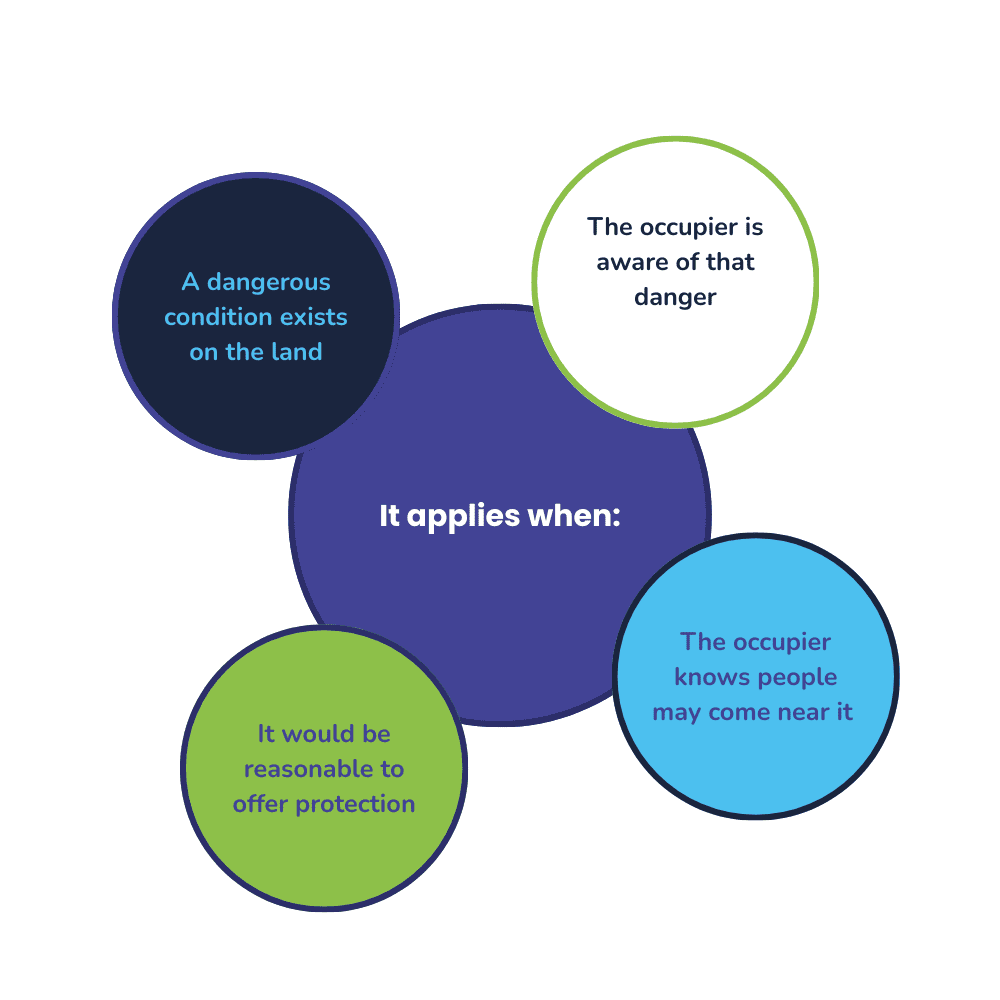
Ask NJS

For fast, friendly affordable legal advice. Contact a member of our team today.

FAQ

For any questions we may be able to answer, discover our FAQ section.

Categories
Accident at Work

Steps After Being Injured at Work

Steps After Being Injured at Work

Suffering an injury at work can be overwhelming.

In the immediate aftermath, you may be dealing with:

  • Pain or shock
  • Uncertainty about your job
  • Pressure to return to work
  • Concerns about your income
  • Confusion about your legal rights

Knowing the correct steps to take after being injured at work can protect not only your health, but also your right to compensation.

Many workplace accident claims succeed or fail based on what happens in the first hours and days following the incident. Acting promptly and carefully can make a significant difference to the strength of your case.

Below is a practical guide to the essential steps you should take.

Immediate Checklist

1. Seek Medical Treatment

Even if the injury appears minor, symptoms can worsen over time – particularly with:

  • Back injuries
  • Neck injuries
  • Head injuries
  • Soft tissue damage
  • Repetitive strain injuries

You should:

  • Call 999 in an emergency
  • Attend A&E where appropriate
  • Visit your GP
  • Follow medical advice carefully

Medical records are crucial evidence. They create an independent record of:

  • The nature of your injury
  • When symptoms begin
  • The severity of the condition
  • Any ongoing impact

Delaying treatment can not only affect recovery but may also weaken your claim.

2. Report the Accident

Under UK law, workplace accidents must be properly recorded.

You should ensure the incident is entered into the company Accident Book. Check that the record includes:

  • The date and time
  • Where it happened
  • How it occurred
  • Details of your injuries
  • Names of any witnesses

Take a photograph of the entry for your own records.

If your employer refuses to record the accident, send a written email describing what happened. This creates a documented timeline.

Failure to report the accident promptly is one of the most common reasons insurers dispute claims.

3. Collect Evidence

If you are physically able, gather evidence as soon as possible.

This may include:

  • Photographs of the accident scene
  • Images of defective equipment
  • Pictures of spillages or hazards
  • Contact details of witnesses
  • Copies of emails or reports
  • Preserving damaged clothing or PPE

If CCTV footage may exist, request that it is preserved immediately. Many systems automatically delete footage within days or weeks.

The earlier evidence is secured, the stronger your position will be.

4. Keep Financial Records

If your injury results in financial loss, you may be entitled to recover those losses as part of your compensation claim. You can read more about potential claim values in our guide on accident at work claims and how much compensation you could get.

Keep evidence of:

  • Loss of earnings
  • Reduced overtime
  • Missed bonuses
  • Travel costs
  • Prescription changes
  • Rehabilitation or private treatment
  • Care provided by family members

These losses form part of what is known as special damages and can significantly increase the overall value of your claim.

5. Speak to a Specialist Solicitor

Many people delay seeking legal advice because they:

  • Feel loyal to their employer
  • Worry about job security
  • Assume they were partly at fault
  • Think the process will be stressful

In reality, most accident at work claims are handled by the employer’s insurer and proceed professionally.

Early legal advice ensures:

  • Evidence is preserved
  • Deadlines are protected
  • Liability is investigated properly
  • Your claim is accurately valued
  • You are not pressured into early settlement

A solicitor can also explain how a No Win No Fee agreement works, so you understand the financial position from the outset.

Immediate checklist

Mistakes to Avoid

Certain common mistakes can weaken or even prevent a successful claim.

Failing to Report the Accident

If an accident is not recorded, insurers may argue it did not happen as described.

Delaying Medical Treatment

A gap between the accident and treatment may raise questions about causation.

Accepting Early Low Offers

Insurers sometimes make early offers before full medical evidence is available.

Once accepted, you cannot usually reopen the claim – even if your condition worsens.

Posting on Social Media

Social media posts can be used by insurers to challenge claims.

Avoid posting about:

  • Your accident
  • Your injuries
  • Your activities during recovery

Missing the 3-Year Time Limit

Most accident claims must be issued within three years. You can read more about the relevant deadlines in our guide on accident at work time limits and how long you have to claim.

Even though that may seem like a long time, delaying can seriously weaken your case as:

  • Evidence fades
  • CCTV is deleted
  • Witnesses leave employment
  • Documentation is lost

Early action protects your position.

Why Specialist Advice Matters

Understanding your rights is the first step. Enforcing them effectively is the next.

Workplace accident claims often involve:

  • Disputes over liability
  • Arguments about risk assessments
  • Insurer negotiations
  • Complex medical evidence

A specialist solicitor can assess whether your employer has breached statutory duties and whether that breach caused your injury.

Why Choose NJS Law for Your Accident at Work Claim?

When you are injured at work, you need more than general advice — you need clear, strategic legal guidance from solicitors who understand employer liability, workplace regulations and insurer tactics.

At NJS Law, we act exclusively in the interests of injured individuals. We understand the physical, financial and emotional pressure that follows a workplace accident. Our role is to remove that pressure and handle the legal process with clarity and confidence. You can read what clients say about our service on our NJS Law reviews.

When you instruct NJS Law, you can expect:

We are experienced in handling claims involving:

  • Manual handling injuries
  • Slips, trips and falls
  • Construction site accidents
  • Machinery and equipment failures
  • Industrial and factory injuries 
  • Workplace head and back injuries

Every case is handled with attention to detail and a focus on achieving the best possible outcome for you.

Speak To NJS Law Today

If you have suffered an accident at work, early advice can make a significant difference to your claim.

Contact our Accident at Work Solicitors  today for a confidential discussion about your situation. We will explain:

There is no obligation to proceed – just clear professional advice.

Call us today or complete our online enquiry form to speak with a specialist accident at work solicitor.

Your recovery matters. Your rights matter.

Let NJS Law help you secure the compensation you deserve.

→ Learn more About Us

We’re Here To Help

Frequently Asked Questions

Can I claim if the accident was partly my fault?

Yes. Even if you were partly responsible, you may still receive compensation under contributory negligence principles.

Your compensation may be reduced to reflect your share of responsibility, but you are not automatically prevented from claiming. Employers still have a legal duty to provide a safe working environment.

What if the accident wasn't recorded in the Accident Book?

You can still bring a claim.

While accident book entries are helpful evidence, they are not essential. Medical records, witness statements, CCTV footage and photographs can all support your case.

It is advisable to notify your employer in writing as soon as possible if the incident was not formally recorded.

How long do I have to make an accident at work claim?

In most cases, you have three years from the date of the accident to start court proceedings.

If your injury developed over time (for example, repetitive strain injury), the three year period may begin from the date you became aware that your condition was work-related.

There are exceptions for children and individuals lacking mental capacity.

Can my employer dismiss me for making a claim?

No. It is unlawful for an employer to dismiss or treat you unfairly for pursuing a legitimate personal injury claim. You can read more about your rights in our guide on being sacked for making an accident at work claim.

If your employer takes adverse action against you because you exercised your legal rights, this may amount to unfair dismissal or victimisation.

Will claiming compensation affect my job?

Most workplace accident claims are handled by the employer’ liability insurance.

The claim is made against the insurer – not directly against your employer personally. Professional employers understand that insurance exists for this purpose.

CONTACT US

Get in touch using the form below or via the following methods:

Ask NJS

For fast, friendly affordable legal advice. Contact a member of our team today.

FAQ

For any questions we may be able to answer, discover our FAQ section.

Categories
Accident at Work

Workplace Accident Legal Rights UK

Accident at Work Time Limits: How Long Do I Have to Claim?

If you have been injured at work, it is important to understand that you are not simply relying on goodwill or company policy — you are protected by law.

Many employees are unaware of the full extent of their legal rights following a workplace accident. Some assume accidents are “just part of the job.” Others feel reluctant to question their employer’s safety standards.

However, UK health and safety legislation places clear and enforceable duties on employers. When those duties are breached and an employee is injured as a result, the law provides a route to compensation.

Understanding your workplace accident legal rights in the UK can help you:

  • Recognise when safety standards have fallen short
  • Protect yourself from further harm
  • Hold employers accountable
  • Secure financial compensation where appropriate

This guide explains the core legal protections that apply to employees and workers across England and Wales.

Your Rights Under UK Law

Under the Health and Safety etc Act 1974 and related regulations, employers have a duty to take reasonable steps to ensure the health, safety and welfare of their employees.

You have the legal right to:

  • A safe working environment
  • Proper training for the tasks you are required to perform
  • Safe and properly maintained equipment
  • Suitable personal protective equipment (PPE) where necessary
  • Adequate risk assessments
  • Systems of work designed to minimise foreseeable risks
  • Raise safety concerns without fear of rehabilitation

Employers must not simply react to accidents – they must take proactive steps to prevent them.

This includes:

  • Carrying out regular safety inspections
  • Implementing clear health and safety policies
  • Providing supervision where required
  • Maintaining machinery in safe working order
  • Responding appropriately to reported hazards

If these duties are breached and you are injured, you may have grounds for a personal injury claim.

Why Legal Advice Matters

Understanding your rights is the first step. Enforcing them effectively is the next.

Workplace accident claims often involve:

  • Disputes over liability
  • Arguments about risk assessments
  • Insurer negotiations
  • Complex medical evidence

A specialist solicitor can assess whether your employer has breached statutory duties and whether that breach caused your injury.

Why Choose NJS Law for Your Accident at Work Claim?

When you are injured at work, you need more than general advice — you need clear, strategic legal guidance from solicitors who understand employer liability, workplace regulations and insurer tactics.

At NJS Law, we act exclusively in the interests of injured individuals. We understand the physical, financial and emotional pressure that follows a workplace accident. Our role is to remove that pressure and handle the legal process with clarity and confidence. You can read what clients say about our service on our NJS Law reviews.

When you instruct NJS Law, you can expect:

We are experienced in handling claims involving:

  • Manual handling injuries
  • Slips, trips and falls
  • Construction site accidents
  • Machinery and equipment failures
  • Industrial and factory injuries 
  • Workplace head and back injuries

Every case is handled with attention to detail and a focus on achieving the best possible outcome for you.

Speak To NJS Law Today

If you have suffered an accident at work, early advice can make a significant difference to your claim.

Contact our Accident at Work Solicitors  today for a confidential discussion about your situation. We will explain:

There is no obligation to proceed – just clear professional advice.

Call us today or complete our online enquiry form to speak with a specialist accident at work solicitor.

Your recovery matters. Your rights matter.

Let NJS Law help you secure the compensation you deserve.

→ Learn more About Us

We’re Here To Help

Frequently Asked Questions

Can I claim if the accident was partly my fault?

Yes. Even if you were partly responsible, you may still receive compensation under contributory negligence principles.

Your compensation may be reduced to reflect your share of responsibility, but you are not automatically prevented from claiming. Employers still have a legal duty to provide a safe working environment.

What if the accident wasn't recorded in the Accident Book?

You can still bring a claim.

While accident book entries are helpful evidence, they are not essential. Medical records, witness statements, CCTV footage and photographs can all support your case.

It is advisable to notify your employer in writing as soon as possible if the incident was not formally recorded.

How long do I have to make an accident at work claim?

In most cases, you have three years from the date of the accident to start court proceedings. You can read a detailed guide on accident at work time limits and how long you have to claim.

If your injury developed over time (for example, repetitive strain injury), the three year period may begin from the date you became aware that your condition was work-related.

There are exceptions for children and individuals lacking mental capacity.

Can my employer dismiss me for making a claim?

No. It is unlawful for an employer to dismiss or treat you unfairly for pursuing a legitimate personal injury claim. You can read more about your rights in our guide on being sacked for making an accident at work claim.

If your employer takes adverse action against you because you exercised your legal rights, this may amount to unfair dismissal or victimisation.

Will claiming compensation affect my job?

Most workplace accident claims are handled by the employer’ liability insurance.

The claim is made against the insurer – not directly against your employer personally. Professional employers understand that insurance exists for this purpose.

CONTACT US

Get in touch using the form below or via the following methods:
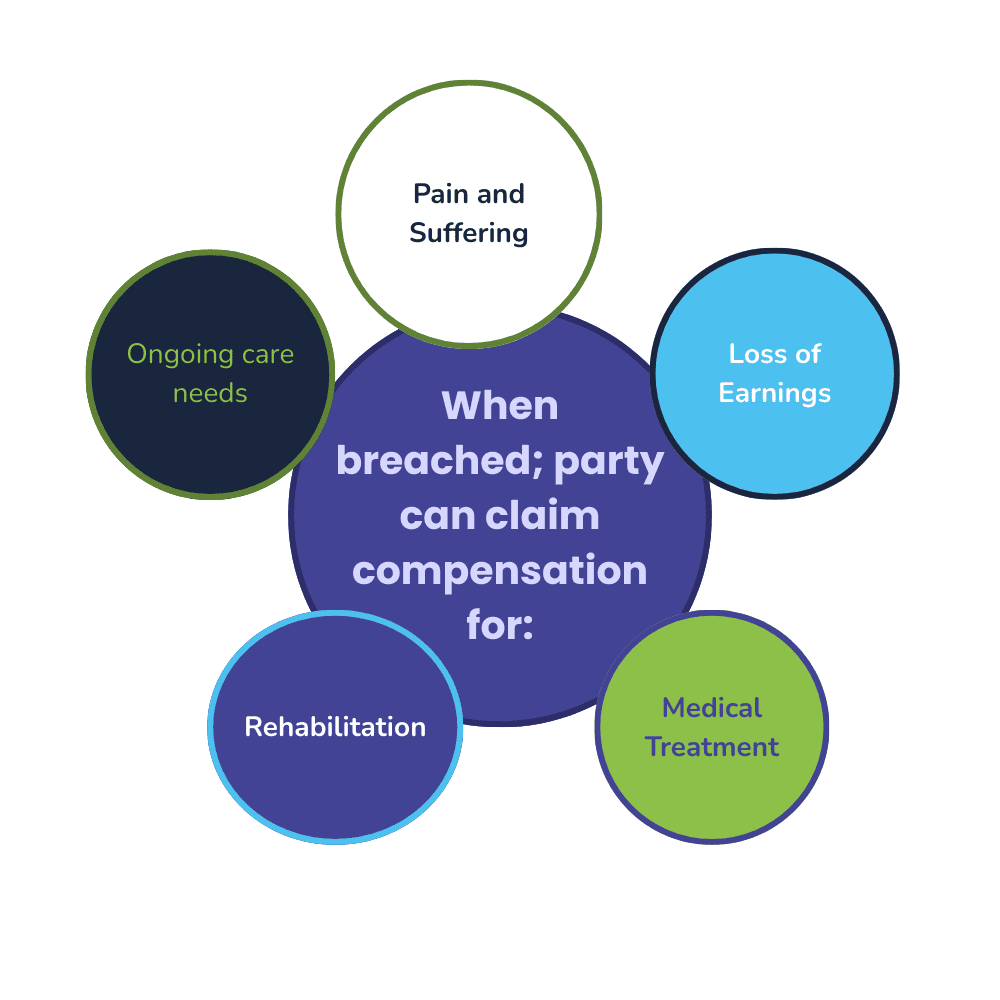
Ask NJS

For fast, friendly affordable legal advice. Contact a member of our team today.

FAQ

For any questions we may be able to answer, discover our FAQ section.