

Categories
Occupier Liability

What is the Difference Between Public and Occupiers’ Liability?

Public and occupiers’ liability deal with a property owner’s responsibilities regarding the safety of people who enter their premises. Although they are similar in nature, they are not the same. In this article, we explain how the two concepts differ.

What is public liability?

Public liability concerns liability in situations where a person suffers an injury in a park, recreation facility, or police station. In these types of cases, the Defendant is typically the relevant local authority as the land or premises is ‘public’ property.

The duty of care in public liability cases is generally lower than in occupiers’ liability matters. Local authorities are expected to take reasonable steps to prevent foreseeable harm to visitors but are not responsible for all possible hazards. In Bolton v Stone 1951 A.C. 850, the House of Lords considered the degree of care to passers-by that should be attributed to a property owner who allowed cricket games to be played on their land.

When considering whether an action and injury was foreseeable, Lord Porter stated:

“It is not enough that the event should be such as can reasonably be foreseen; The further result that injury is likely to follow must also be such as a reasonable man would contemplate, before he can be convicted of actionable negligence. Nor is the remote possibility of injury occurring enough; there must be sufficient probability to lead a reasonable man to anticipate it. The existence of some risk is an ordinary incident of life, even when all due care has been, as it must be, taken. “.

In Lewis v Wandsworth Borough Council [2020] EWHC 3205 (QB), Mr Justice Steward summarised the important points in Bolton as:

  • Just because an accident was reasonably foreseeable, liability does not automatically follow.
  • The Court must consider the chances of an accident happening, the potential seriousness of an accident, and the measures which could be taken to minimise or avoid an accident occurring.
  • The decision in Bolton does not conclude that anyone who hits a cricket ball out of the grounds or over a boundary escapes liability. The Court must examine all the facts.
  • In appeal cases, the Court should apply Lord Porter’s test as set out above.
What is occupiers’ liability?

Occupiers’ liability focuses on the duty of care an occupier (someone in control of the property) owes to those who enter their premises, including both invited and uninvited visitors. It primarily deals with accidents and injuries that occur on the property that is under the control of the occupier, such as their home, business, or land.

The Occupiers’ Liability Act (OLA) 1957 and the OLA 1984 governs the duty of care that occupiers owe to people who enter their premises.

The OLA 1957 primarily deals with the liability of occupiers concerning visitors to their premises and outlines the duty of care that an occupier owes to lawful and unlawful visitors. The OLA 1957 provides that an occupier must take reasonable care to ensure that the premises are safe, which may include warning about known hazards. In the case of unlawful visitors, i.e., trespassers, the occupier must avoid wilful or reckless injury.

Complimenting the OLA 1957 is the OLA 1984 which addresses the duty of care owed to people who enter premises for recreational purposes. Under 1984 Act, a person who allows others to enter their land or property for recreational activities, such as hiking or picnicking, is generally not responsible for injuries suffered by recreational users. However, there are exceptions, such as if the injury is caused by a hidden danger, the occupier charged a fee for entry, or the occupier intentionally caused harm.

Occupiers are expected to take reasonable care to ensure their premises are safe for all lawful visitors, which may involve conducting regular inspections, maintaining the property, and warning of any known hazards.

This is illustrated in the recent case of Ashton v The City of Liverpool Young Men’s Christian Association [2023] EWHC 707 (KB), 2023 WL 03437939.

The Claimant, A, was spotted hanging from her fingertips from a windowsill on the fourth floor of the Liverpool YMCA. She subsequently fell and landed on the first floor ledge of the building, sustaining serious injuries.

The Defendant, who was the occupier of the building argued that A deliberately exited the fourth floor window of the room which she occupied in an impulsive attempt to kill herself, before having a rapid change of mind.

A stated that she fell from the window when trying to retrieve washing which had been drying and that the opening of which was not restricted, One of the issues the Court had to decide on was whether the Defendant had breached its duty of care under the OLA 1957.

After examining the evidence, the Court concluded that the Defendant had breached the OLA 1957 by failing to ensure that the windows were appropriately restricted and not capable of being easily opened by vulnerable visitors and short term residents.

What should I do if I am unsure whether I have a claim?

The most crucial step to take if you suffer a personal injury because of negligence is to talk to an experienced Personal Injury Solicitor. They can swiftly tell you whether your claim should be brought against a local authority or the owner of a private premises. If they believe your claim has a reasonable chance of success, they may represent you on a no win, no fee basis. Time is of the essence when it comes to personal injury claims as the Limitation Act 1980 states that a claim must be brought within three years of the injury occurring.

Our team has decades of combined experience in successfully advising and representing clients in complex public and occupiers’ liability cases. We are sympathetic and understanding and are here to help you every step of the way.

CONTACT US

Get in touch using the form below or via the following methods:

Ask NJS Law

For fast, friendly affordable legal advice. Contact a member of our team today.

FAQ

For any questions we may be able to answer, discover our FAQ section.

Categories
Public Liability

Which UK Councils Are Paying The Biggest Injury Compensations?

Recent data* has revealed the 10 local councils in England and Wales most affected by personal injury compensation claims – highlighting the real cost of accidents in public places.*

The majority of these claims stem from slipstripsand falls, pothole accidents, falling objects, and injuries caused by poorly maintained public spacespavementsand equipment.

These figures demonstrate the importance of councils meeting their legal duty of care to keep the public safe.

Councils Paying the Most in Personal Injury Claims (2022-2023)

According to the data, Liverpool City Council recorded the highest personal injury payouts, paying over £1.7 million between April 2022 and April 2023.

Close behind were Essex County Council and Hampshire County Council, both of which paid out more than £1.2 million in compensation during the same period.

Top 10 Councils for Personal Injury Compensation Payouts

  1. Liverpool City Council – 311 claims – £1,743,423.43
  2. Essex County Council – 440 claims – £1,286,745.92
  3. Hampshire County Council – 217 claims – £1,256,506.82
  4. Camden Council – 92 claims – £1,108,472.57
  5. Manchester City Council – 341 claims – £1,081,522.00
  6. Birmingham City Council – 283 – £806,004.00
  7. Bury Council – 82 claims – £735,000.00
  8. Rochdale Metropolitan Borough Council – 104 claims – £719,454.46
  9. Southampton City Council – 49 claims – £494,970.00
  10. Sheffield City Council – 79 claims – £481,351.32

Why Are Councils Liable for Personal Injury Claims?

Local councils and authorities are government bodies responsible for maintaining public services and spaces, including:

  • Roads and pavements
  • Parks and public walkways
  • Schools and leisure facilities
  • Public transport infrastructure

They are legally required to ensure these environments are safe for public use.

Council Duty of Care Explained

Under the Highways Act 1980, councils are responsible for maintaining pavements and public highways in a reasonably safe condition for pedestrians.

To meet this duty of care, councils must:

  • Carry out regular safety inspections
  • Repair hazards such as potholes and uneven paving
  • Address risks from falling objects or unsafe structures
  • Provide clear warnings where immediate repairs are not possible

Failure to do so can result in council negligence claims when someone is injured.

Can You Claim Compensation Against a Council?

If you were injured due to local authority negligence, you may be entitled to claim compensation for:

  • Pain and suffering
  • Medical treatment and rehabilitation
  • Loss of earnings
  • Travel and care expenses
  • Future financial losses

Claims can arise from accidents such as slipstripsfallsor pothole injuries on council maintained land or roads.

Council Injury Claims - How NJS Law Can Help

If you’ve suffered injuries in an accident that wasn’t your fault, NJS Law can help you pursue the compensation you deserve.

Our experienced personal injury solicitors provide:

  • Clear, honest legal advice
  • Supportive, sympathetic guidance
  • No winno fee representation
  • Proven experience in council and local authority claims

We make the claims process as straightforward and stress-free as possible, so you can focus on your recovery.

Speak to a Personal Injury Specialist Today

If you would like to discuss a potential claim, contact NJS Law today for a freeno obligation consultation.

  • Available by phone or email
  • No win, no fee
  • On your side from start to finish

*Source: LegalExpert

CONTACT US

Get in touch using the form below or via the following methods:

Ask NJS Law

For fast, friendly affordable legal advice. Contact a member of our team today.
FAQ

For any questions we may be able to answer, discover our FAQ section.

Categories
Dental Negligence

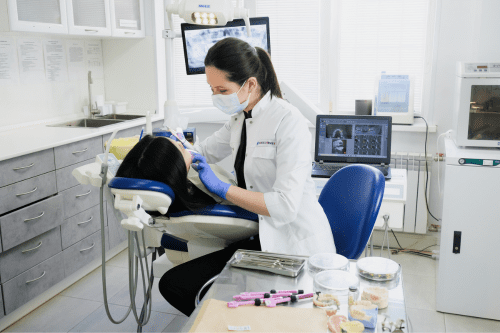
Dental Negligence in England: What It Is and How to Claim Compensation

What Are The Different Types Of Dental Negligence

Dental care plays a vital role in maintaining overall health and wellbeing. Unfortunately, access to safe and timely dental treatment in England is currently falling well below acceptable standards.

In 2022, the BBC reported that nine out of ten NHS dental practices were not accepting new adult patients, while eight out of ten were unable to take on new child patients. As a result, dentists are under extraordinary pressure, increasing the risk of negligent dental treatment.

Although Labour has pledged an additional 700,000 NHS dental appointments and supervised toothbrushing in schools if elected in 2024/25, the reality is that many patients are already suffering harm.

In this article, we explain the most common types of dental negligence and outline how you may be able to claim compensation if you have been affected.

What Is Dental Negligence?

Dental negligence occurs when a dental professional fails to provide care that meets an acceptable standard, resulting in injury, pain, or avoidable harm to a patient.

Below are some of the most common examples of negligent dental care.

Common Types of Dental Negligence

Misdiagnosis and Delayed Diagnosis

Dentists have a duty to diagnose and treat oral health conditions accurately and promptly. When they fail to do so, the consequences can be severe.

Misdiagnosis may lead to:

  • Incorrect or unnecessary treatment
  • Failure to treat the underlying condition
  • Worsening symptoms

Delayed diagnosis can allow conditions to progress unchecked. In serious cases, such as undiagnosed oral cancer or advanced gum disease, this can result in permanent damage or even death.

For example, in September 2023, a woman was awarded £9,250 after her dentist failed to diagnose periodontal disease. The condition became so severe that it caused her significant discomfort and mental distress.

Inadequate Treatment Planning

Proper treatment planning is essential for safe and effective dental care. Negligence can occur when a dentist fails to consider:

  • A patient’s medical history
  • Allergies or medications
  • Pre-existing dental conditions

Poor planning can lead to avoidable complications, adverse reactions, and unnecessary procedures.

Surgical Errors

Dental procedures such as tooth extractions, dental implants, and root canal treatments carry inherent risks. However, negligence may arise when mistakes are made, including:

  • Nerve damage during extractions or implant placement
  • Inadequate anaesthesia causing pain during treatment
  • Accidental perforation of the sinus or surrounding structures
  • Infection due to poor sterilisation

Surgical errors can result in prolonged recovery, severe pain, and irreversible injury.

Inadequate Hygiene and Infection Control

Strict hygiene standards are critical in dental practices. Failure to follow proper infection control procedures may result in the transmission of infections between patients.

Examples of negligence include:

  • Poor sterilisation of dental instruments
  • Inadequate hand hygiene
  • Improper disposal of contaminated materials

Lack of Informed Consent

Patients have a legal right to make informed decisions about their treatment. A dentist may be negligent if they fail to:

  • Explain all available treatment options
  • Clearly outline potential risks
  • Discuss realistic outcomes

Without informed consent, patients may undergo procedures without fully understanding the consequences.

Substandard Cosmetic Dentistry and Restorations

Teeth play a crucial role in both appearance and oral function. Negligent cosmetic dental work involving fillings, crowns, veneers, or bridges can result in:

  • Poor bite alignment
  • Loose or ill-fitting restorations
  • Infection
  • Teeth dying or decaying
  • Severe pain and discomfort

Failure to Refer to a Specialist

Some dental conditions require specialist care. Negligence may occur if a dentist fails to refer a patient to an appropriate specialist, such as:

  • Oral surgeons
  • Orthodontist
  • Periodontists (gum disease specialists)

For example, untreated gingivitis can develop into periodontitis, a serious form of gum disease that damages the bone and ligaments supporting the teeth. If left untreated, this can result in tooth loss and wider health complications.

Poor Record Keeping and Communication

Accurate records and clear communication are essential for safe dental care. Negligence can arise when:

  • Patient records are incomplete or inaccurate
  • Important information is not shared with other professionals
  • Treatment plans are poorly documented

These failures can lead to mismanagement and inappropriate treatment.

How Can I Sue a Dentist in the UK?

If you believe you have received negligent dental treatment, it is important to contact an experienced Dental Negligence Solicitor as soon as possible.

Under the Limitation Act 1980, most dental negligence claims must be brought within three years of the injury or the date you became aware of it.

To succeed in a dental negligence claim, you must prove that:

  • The dentist owed you a duty of care
  • They breached that duty
  • The breach caused you harm

Your solicitor will usually instruct an independent dental expert to assess your treatment. Their report will help determine whether negligence occurred and how much compensation may be awarded.

Why Claim Dental Negligence Compensation?

Negligent dental care can cause long-term pain, disfigurement, and emotional suffering. It can also seriously impact confidence and mental health.

Compensation may help cover:

  • Private corrective dental treatment
  • Medical expenses
  • Loss of earnings
  • Rehabilitation and future care

With the ongoing shortage of NHS dentists, compensation may provide vital access to private restorative treatment.

Speak to a Dental Negligence Solicitor Today

You do not have to suffer in silence. Our Dental Negligence Solicitors have decades of combined experience successfully advising and representing clients across the UK.

We are sympathetic, understanding, and committed to supporting you throughout the claims process.

Contact us today to arrange a free, no-obligation consultation by phone or email.

CONTACT US

Get in touch using the form below or via the following methods:

Ask NJS Law

For fast, friendly affordable legal advice. Contact a member of our team today.

FAQ

For any questions we may be able to answer, discover our FAQ section.

Categories
Occupier Liability

What Should I Do After a Slip and Fall Accident?

A slip and fall accident can happen unexpectedly, leaving you with injuries and a sense of confusion about what to do next. Whenever it occurs, it’s essential to take specific steps to protect your health, well-being, and legal rights.

Prioritize Your Health:

The first and most critical step is to ensure your immediate well-being:

  • Seek Medical Attention: Even if your injuries seem minor, it’s vital to consult a healthcare professional. Some injuries, like internal trauma or head injuries, may not exhibit immediate symptoms but can worsen over time.
  • Follow Medical Advice: Adhere to your doctor’s recommendations for treatment, medication, and follow-up appointments. Document all medical records and bills for future reference.
Report the Incident:

If the slip and fall occurred on someone else’s property or in a public place, report the incident:

  • Notify the Property Owner or Manager: Inform the property owner, manager, or supervisor about the accident as soon as possible. Request that they document the incident and provide you with a copy of the incident report.


Gather Details:

Take note of the names and contact information of the property owner or manager, as well as any employees who witnessed the incident.

Document the Scene:

To build a strong case, collect evidence related to the accident:

  • Take Photographs: Use your phone or camera to capture images of the accident scene, including any hazards or defects that caused the fall, such as wet floors, broken stairs, or uneven surfaces.
  • Preserve Clothing and Shoes: Keep the clothing and shoes you were wearing at the time of the accident. They may serve as evidence in your case.
Collect Witness Information:

If there were witnesses to the fall or the hazardous conditions, obtain their contact information. Witnesses can provide crucial testimony to support your claim if the matter goes to court.

Consult a Personal Injury Solicitor:

If you believe negligence on the part of the property owner or another party contributed to your slip and fall, consider seeking legal advice.

A personal injury solicitor can help you understand your legal rights and whether you have a valid claim for compensation. They can guide you through the legal process and negotiate on your behalf.

If you’ve suffered injures because of an accident that was not your fault, then Nicholson Jones Sutton Solicitors can help you get the compensation you deserve.

Our team of personal injury specialists will provide effective, clear and honest advice, making what may seem like a complicated process easier to cope with, safe in the knowledge that we’re on your side.

Our NJS Law Personal Injury Specialists are sympathetic, understanding, and can help you get the outcome you deserve.

If you would like to discuss an issue, please get in touch to arrange a free no obligation consultation. We’re available by email or phone.

CONTACT US

Get in touch using the form below or via the following methods:

Ask NJS Law

For fast, friendly affordable legal advice. Contact a member of our team today.

FAQ

For any questions we may be able to answer, discover our FAQ section.

Categories
Medical Negligence

What Are The Steps To Claim For Medical Negligence

When you or a loved one has suffered harm as a result of medical negligence, understanding your legal rights is essential. Knowing how the claims process works can also help you feel more confident about taking the next steps. This guide explains how to make a medical negligence claim and what to expect at each stage.

Seek Legal Advice Early

First and foremost, you should seek advice from a solicitor who specialises in medical or clinical negligence. An experienced solicitor will assess the merits of your case, explain your legal rights, and guide you through the claims process from the outset.

Establish the Standard of Care

To succeed with a medical negligence claim, you must show that the healthcare provider breached their duty of care. In other words, the treatment you received must have fallen below an acceptable medical standard. Your solicitor will help identify whether this threshold has been met.

Gather Supporting Evidence

Next, your legal team will collect evidence to support your claim. This may include medical records, witness statements, expert medical opinions, and other relevant documentation. Strong evidence is crucial to demonstrating negligence and supporting your case.

Prove Causation

In addition to proving a breach of duty, you must also establish causation. This means showing a direct link between the negligent care and the injury or harm you suffered. Your solicitor will work closely with medical experts to demonstrate that the negligence caused or worsened your condition.

Notify the Healthcare Provider

Before formal court proceedings begin, your solicitor will usually send a Letter of Notification to the healthcare provider or organisation involved. This letter sets out the allegations and gives the provider an opportunity to investigate and respond.

Consider Medical Negligence Mediation

In some cases, mediation may offer a quicker and less stressful way to resolve the dispute. Mediation involves an independent third party who helps both sides reach a mutually acceptable settlement without going to court.

Issue Court Proceedings if Necessary

If mediation is unsuccessful or inappropriate, your solicitor will issue court proceedings on your behalf. At this stage, the healthcare provider will formally respond to the claim.

Obtain Expert Witness Evidence

Medical negligence claims often rely on expert witness testimony. Independent medical professionals provide opinions on whether the standard of care was breached and whether that breach caused the injury. Your solicitor will instruct suitable experts to strengthen your case.

Negotiate a Settlement

Throughout the process, there may be opportunities to negotiate a settlement. Many medical negligence claims are resolved without a trial. If a fair settlement is reached, the case can conclude sooner and with less stress.

Proceed to Trial if Required

If settlement negotiations fail, the claim will proceed to trial. Both sides will present their evidence, and a judge will decide the outcome based on the facts and expert testimony.

Compensation Outcomes

If your claim is successful, you may receive compensation for medical expenses, loss of earnings, rehabilitation costs, future care needs, and other financial losses resulting from the negligence.

How NJS Law Can Help

Our NJS Law Medical Negligence Specialists are compassionate, understanding, and highly experienced in pursuing medical negligence claims. We are committed to helping you achieve the best possible outcome.

If you would like to discuss your situation, please contact us to arrange a free, no-obligation consultation. We are available by phone or email and are here to support you every step of the way.

CONTACT US

Get in touch using the form below or via the following methods:

Ask NJS Law

For fast, friendly affordable legal advice. Contact a member of our team today.

FAQ

For any questions we may be able to answer, discover our FAQ section.

Categories
Medical Negligence

What Is Medical Negligence?

Medical negligence, also known as clinical negligence, occurs when a healthcare professional provides care that falls below an acceptable standard. As a result, the patient suffers harm, injury, or unnecessary complications.

Although most medical treatment is delivered to a high standard, mistakes can and do happen. For this reason, it is important for patients and their families to understand the most common types of medical negligence and how they arise.

This guide explains the main forms of medical negligence and when a compensation claim may be possible.

Common Types of Medical Negligence

Medical negligence can occur at almost any stage of diagnosis or treatment. Below are some of the most frequent examples.

Misdiagnosis or Delayed Diagnosis

One of the most common forms of medical negligence involves errors in diagnosis.

  • Misdiagnosis occurs when a healthcare professional incorrectly identifies a patient’s condition. As a result, the patient may receive inappropriate treatment or no treatment at all.
  • Delayed diagnosis happens when a condition is not identified promptly. Consequently, the illness may progress, reducing treatment options and worsening the outcome.

Both scenarios can lead to avoidable pain, complications, or death.

Surgical Errors

Surgical negligence can have serious and sometimes life-changing consequences. Common examples include:

  • Wrong-site surgery, where an operation is carried out on the wrong part of the body
  • Retained surgical instruments, meaning tools or foreign objects are left inside the patient
  • Anaesthetic errors, such as incorrect dosage or failure to monitor the patient properly

These errors can result in severe injury, prolonged recovery, or further corrective surgery.

Medication Errors

Medication mistakes are another frequent cause of medical negligence claims.

  • Prescription errors occur when the wrong drug or dosage is prescribed
  • Dispensing errors happen when a pharmacy provides incorrect medication or instructions

In either case, patients may suffer adverse reactions, worsening symptoms, or long-term harm.

Birth Injuries

Medical negligence during pregnancy, labour, or delivery can cause serious injuries to both mother and baby. Examples include:

  • Cerebral palsy
  • Shoulder dystocia
  • Erb’s palsy

These injuries often require lifelong care and support, making early legal advice essential.

Failure to Monitor or Act on Deterioration

Healthcare professionals have a duty to monitor patients and respond to changes in their condition. When warning signs are missed or ignored, patients may suffer avoidable harm.

For example, failing to act on abnormal observations or test results can lead to serious complications.

Hospital-Acquired Infections

Patients may develop infections while receiving treatment due to poor hygiene or inadequate infection control measures. In some cases, these infections can be life-threatening, particularly for vulnerable patients.

Psychiatric Negligence

Psychiatric negligence involves substandard care within mental health services. This may include misdiagnosis, inappropriate treatment, or failure to properly assess risk, resulting in harm to the patient.

Nursing Home Negligence

Residents in care homes are entitled to safe and dignified care. However, negligence can occur when residents experience:

  • Poor nutrition or hydration
  • Inadequate supervision
  • Pressure sores or untreated injuries

Such failures can lead to serious deterioration in health and wellbeing.

Radiology and Imaging Errors

Errors in interpreting X-rays, MRIs, CT scans, or other imaging can lead to incorrect or delayed diagnoses. As a result, treatment may be postponed or entirely inappropriate.

Failure to Refer to a Specialist

In some cases, a patient’s condition requires specialist input. When a healthcare provider fails to make a timely referral, diagnosis and treatment may be delayed, causing avoidable harm.

What Should You Do If You Suspect Medical Negligence?

If you believe that you or a loved one has been affected by medical negligence, it is important to seek advice from a solicitor experienced in clinical negligence claims.

A specialist solicitor can:

  • Assess whether negligence occurre
  • Gather medical evidenc
  • Advise on your eligibility for compensation
  • Guide you through the legal process

Understanding the different types of medical negligence is often the first step toward protecting your rights and holding healthcare providers accountable.

How NJS Law Can Help

Our Medical Negligence Specialists at NJS Law are sympathetic, understanding, and highly experienced in handling a wide range of clinical negligence claims.

We offer a free, no-obligation consultation and will provide clear, practical advice tailored to your circumstances.

CONTACT US

Get in touch using the form below or via the following methods:

Ask NJS Law

For fast, friendly affordable legal advice. Contact a member of our team today.

FAQ

For any questions we may be able to answer, discover our FAQ section.

Categories
Preventable Suicide

Private Mental Health Provider Fined Over Inpatient’s Tragic Death

A private mental health provider, Cygnet Health Care, has been fined £1.53 million after failing to protect the safety of an inpatient at its Ealing hospital in London. The fine follows a guilty plea to charges brought by the Care Quality Commission (CQC) and relates to the tragic death of a young woman who took her own life in July 2019.

This case represents a landmark moment in mental health regulation. Notably, it is the largest fine ever imposed on a mental health provider as a result of CQC legal action.

Why Was Cygnet Health Care Prosecuted?

The CQC brought the case after identifying serious and repeated failings at Cygnet Hospital Ealing. In particular, the provider failed to ensure a safe ward environment and did not adequately protect the patient from known risks.

Cygnet Health Care admitted that it:

  • Failed to minimise ligature risks within the ward
  • Did not monitor patients in line with its own policies
  • Neglected to provide adequate staff training in emergency resuscitation procedures

Crucially, the hospital knew the patient had previously attempted suicide in a similar manner. Despite this, staff did not take sufficient steps to address the environmental risks she faced.

A Record-Breaking Fine by the CQC

This £1.53 million penalty marks the largest fine issued by the CQC against a mental health service. It follows a £1.5 million fine imposed in 2021 on Essex Partnership University NHS Foundation Trust, where failures in care contributed to 11 deaths.

Cygnet Health Care is owned by the US-based Universal Health Services. The case has renewed scrutiny of private mental health providers, particularly given that the NHS spends around £2 billion each year on private mental health services.

Wider Concerns About Private Mental Health Care

In 2022, an investigation by The Guardian revealed serious shortcomings in the care of at least 11 inpatients across Cygnet facilities since 2012. Similar issues were also identified at other private mental health hospitals, raising ongoing concerns about patient safety and accountability.

Following its investigation, the CQC stated that had Cygnet Health Care complied with its statutory duties, the patient would not have been exposed to such a high level of risk.

CQC Response to the Case

Jane Ray, Deputy Director of Operations for the CQC in London, described the case as deeply disappointing. She stressed that people receiving mental health care, especially during vulnerable periods, should expect safe, compassionate, and competent treatment.

While she welcomed Cygnet Health Care’s guilty plea, she also criticised the provider for failing to learn from previous incidents that could have prevented this tragic death.

During sentencing, the judge clarified that the case was not about profit being placed over safety, but rather about serious and systemic failures in patient care.

Can You Claim for Mental Health Negligence?

If you have lost a loved one due to inadequate mental health care, you may be entitled to pursue a medical negligence claim. In addition, you may need legal support during the inquest process to understand what went wrong and why.

Our experienced medical negligence solicitors can:

  • Investigate the circumstances surrounding your loved one’s death
  • Identify failures in care or safety procedures
  • Support you through the inquest and legal process
  • Help you seek accountability and appropriate compensation

We understand how devastating these situations are. Therefore, we approach every case with sensitivity, care, and determination to secure answers and justice for families.

CONTACT US

Get in touch using the form below or via the following methods:

Ask NJS Law

For fast, friendly affordable legal advice. Contact a member of our team today.

FAQ

For any questions we may be able to answer, discover our FAQ section.

Categories
Medical Negligence

Delayed Diagnosis of Sepsis and Medical Negligence Claims

Sepsis is a silent killer that many people have never heard of. However, it causes more deaths globally each year than bowel, breast, and pancreatic cancer combined. Alarmingly, research suggests that almost 25% of sepsis-related deaths are preventable.

Even more concerning, recent research from Germany indicates that the four screening tools* currently used worldwide to identify life-threatening sepsis may be flawed. As a result, opportunities for early diagnosis and treatment can be missed.

Although sepsis can often be treated successfully with antibiotics when caught early, delays in diagnosis remain common. Unfortunately, these delays can lead to post-sepsis syndrome, long-term physical injury, psychological harm, or even death. Where this occurs, a medical negligence claim for delayed diagnosis of sepsis may be possible.

What Is Sepsis?

Sepsis, sometimes referred to as blood poisoning, is a potentially life-threatening condition. It occurs when the body’s response to infection becomes uncontrolled, causing widespread inflammation and organ dysfunction.

Sepsis can develop from a wide range of infections, including bacterial, viral, fungal, or parasitic infections.

How Sepsis Develops

Sepsis usually progresses through several stages:

Infection

Sepsis often begins with an infection in the lungs (such as pneumonia), urinary tract, abdomen (for example, a ruptured appendix), or through an open wound.

Immune response

In response, the immune system releases chemicals into the bloodstream to fight the infection. However, in sepsis, this response becomes excessive.

Systemic inflammation

The uncontrolled immune response triggers widespread inflammation. This can cause fever, rapid heart rate, fast breathing, low blood pressure, and confusion.

Organ dysfunction

In severe cases, inflammation disrupts vital organs such as the heart, lungs, kidneys, or liver. Without urgent treatment, this can be fatal.

Severe Sepsis and Septic Shock

As sepsis worsens, it may progress to severe sepsis or septic shock.

Severe sepsis occurs when one or more organs begin to fail and requires immediate medical attention. Septic shock is the most critical stage and is characterised by dangerously low blood pressure and a high risk of multiple organ failure.

Prompt treatment is essential. Typically, this includes antibiotics, intravenous fluids, and supportive therapies such as vasopressors or mechanical ventilation in more serious cases.

Why Is Sepsis Sometimes Diagnosed Late?

A delayed diagnosis of sepsis can have devastating consequences. Unfortunately, several factors contribute to delays, including:

  • Non-specific early symptoms
    Early signs of sepsis often resemble less serious illnesses, such as flu or viral infections. Symptoms may include fever, rapid breathing, confusion, and weakness.
  • Complex clinical presentation
    Because sepsis can affect multiple organs, its symptoms often overlap with other conditions, making diagnosis more difficult.
  • Lack of awareness or training
    Not all healthcare professionals are fully up to date with the latest sepsis guidelines or diagnostic criteria.
  • Underestimating severity
    In some cases, clinicians may initially underestimate how unwell a patient is, particularly if vital signs appear stable.
  • Communication failures
    Shift changes, agency staffing, and cross-department care can result in missed or delayed escalation of concerns.
  • Hidden infections
    Sepsis can be harder to detect if the source of infection is deep within the body or if the patient has multiple underlying health conditions.
  • Higher-risk groups
    Sepsis may present differently in children and older adults, increasing the risk of missed diagnosis.
  • System pressures
    Staff shortages and limited resources can contribute to delayed recognition of complex conditions such as sepsis.

Martha’s Rule and Patient Safety

The issue of delayed diagnosis is so serious that the Government has supported the introduction of Martha’s Rule in England. This rule allows patients and their families to request an urgent second medical opinion if they believe their concerns are not being taken seriously.

This change follows the tragic death of Martha Mills in 2021. Martha developed sepsis after a cycling accident caused a pancreatic injury. A Coroner later ruled that she would likely have survived if doctors had recognised the warning signs earlier and transferred her to intensive care.

Can I Make a Medical Negligence Claim for Delayed Sepsis Diagnosis?

If healthcare professionals delayed diagnosing your sepsis and this resulted in avoidable physical or psychological harm, you may be entitled to compensation.

At NJS Law, our experienced medical negligence team can assess your case and guide you through the claims process.

Under the Limitation Act 1980, you generally have three years to bring a medical negligence claim. For this reason, it is vital to seek legal advice as soon as possible.

How NJS Law Can Help

We have a highly skilled and compassionate medical negligence team with extensive experience in delayed diagnosis claims, including sepsis cases.

Our solicitors will:

  • Listen carefully to your experience
  • Obtain and analyse your medical records
  • Instruct independent medical experts
  • Fight tenaciously to secure rehabilitation, support, and compensation

Throughout your claim, we will support you with care, professionalism, and determination.

* NEWS2 (National Early Warning Score), qSOFA (quick Sequential Organ Failure Assessment), MEWS (Modified Early Warning Score), and SIRS (Systemic Inflammatory Response Syndrome)

CONTACT US

Get in touch using the form below or via the following methods:

Ask NJS Law

For fast, friendly affordable legal advice. Contact a member of our team today.

FAQ

For any questions we may be able to answer, discover our FAQ section.

Categories
Preventable Suicide

Coroner Warns of Rising Preventable Child Suicides Without Increased Mental Health Funding

An east London coroner has issued a stark warning to the Health Secretary, stating that preventable child suicides are likely to increase unless the government provides urgent and sustained funding for mental health services.

Nadia Persaud, the coroner who led the inquest into the death of 12-year-old Allison Aules, wrote to Health Secretary Steve Barclay following the conclusion of the inquest in July 2022. In her report, she stressed that similar tragedies could occur “unless action is taken.”

Findings From Allison Aules’ Inquest

At the conclusion of the inquest, Coroner Persaud identified a series of serious failures by North East London NHS Foundation Trust (NELFT) that contributed to Allison’s death.

In her formal verdict, she stated:

Allison didn’t receive the mental health care which she should have received, and I find that the absence of care contributed to her death.

As a result, the inquest raised serious concerns about the standard of mental health care available to children and young people.

Under-Resourcing of CAMHS Highlighted

In a strongly worded Prevention of Future Deaths report, Coroner Persaud identified the under-resourcing of Child and Adolescent Mental Health Services (CAMHS) as a significant contributing factor.

The report, addressed to the Health Secretary, NHS England, and two Royal Colleges, highlighted:

  • Severe delays in mental health assessments
  • Insufficient staffing levels within CAMHS
  • Ongoing difficulties recruiting consultant psychiatrists
  • A lack of clinical leadership within mental health teams

Importantly, Persaud made clear that these issues were not isolated to one trust. Instead, she described under-resourcing in CAMHS as a national concern affecting services across England.

Delays in Care and Missed Opportunities

The inquest revealed that Allison’s mental health deteriorated significantly during the Covid-19 lockdown. Her school referred her to NELFT in May 2021 due to concerns including:

  • Self-harm
  • Anxiety
  • Low mood
  • Bed-wetting

However, despite the seriousness of these concerns, Allison waited nine months for an assessment. Tragically, she never received any face-to-face mental health treatment.

Coroner Persaud noted that such delays were common within CAMHS, particularly during and after the pandemic.

Inappropriate Discharge Before Death

The inquest also found that Allison was inappropriately discharged from services just weeks before her death. This decision involved a management-led initiative aimed at reducing a large backlog of cases created during the pandemic.

Persaud strongly criticised this approach, especially given the scale of demand. At the time, the region was receiving around 140 CAMHS referrals per week, compared with just 10–12 referrals per week in the 2010s.

Risk of Further Preventable Deaths

Coroner Persaud warned that unless CAMHS services receive proper funding and staffing, future child deaths are likely to occur. She emphasised that rising demand combined with ongoing under-resourcing creates an unsafe system for vulnerable children.

Government Response Required

Under the Coroners and Justice Act 2009, the Health Secretary and NHS England have been given until 25 October to respond. They must explain:

  • What actions have already been taken
  • What further steps are planned
  • When those measures will be implemented

If no action is proposed, they must provide clear reasons why.

Department of Health Statement

The Department for Health and Social Care expressed its condolences to Allison’s family. It also confirmed a commitment to invest an additional £2.3 billion per year into mental health services by 2024.

According to the government, this funding aims to enable an extra 345,000 children and young people to access NHS-funded mental health support. The department stated that it is carefully considering the coroner’s recommendations and will respond within the required timeframe.

Legal Support After a Mental Health Death

If you have lost a loved one due to inadequate mental health care, you may be entitled to pursue a medical negligence claim. You may also need support during the inquest process to understand what went wrong.

Our experienced medical negligence solicitors can:

  • Investigate failures in mental health care
  • Support you throughout the inquest process
  • Help you seek accountability and answers
  • Pursue compensation for financial losses and suffering

We approach every case with compassion, professionalism, and determination.

CONTACT US

Get in touch using the form below or via the following methods:

Ask NJS Law

For fast, friendly affordable legal advice. Contact a member of our team today.

FAQ

For any questions we may be able to answer, discover our FAQ section.