
Categories
Dental Negligence

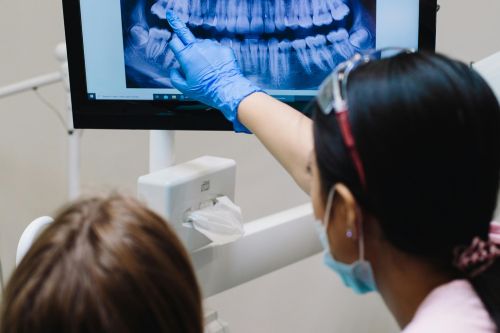
The NHS Dental Crisis and the Rise in Dental Negligence Claims

Why Are Dental Negligence Claims Rising

December 2022

Paying for private dental treatment remains an option. However, as the cost of living crisis deepens, private dental care has become a luxury that many people simply cannot afford. As a result, the ongoing shortage of NHS dentists has forced some patients to risk their health by delaying treatment or, in extreme cases, resorting to DIY dental care.

At the same time, the relentless pressure placed on existing dentists may be contributing to a worrying rise in dental negligence claims.

Rising Dental Negligence Claims in the NHS

According to the British Dental Journal, clinical negligence claims against NHS hospitals for dental errors are increasing. Research shows that:

  • Between April 2015 and April 2020, there were 492 dental negligence claims, resulting in £14 million in compensation
  • Almost £4 million was paid to NHS patients for delays in dental treatment£2.4 million was awarded to patients who suffered nerve damage following dental procedures
  • There were 33 cases where surgeons removed the wrong tooth

These stark figures naturally raise important questions. What has caused this increase in negligence claims? And just as importantly, where have all the dentists gone?

The answer to both questions is closely connected. Unless the UK recruits and retains more dentists, cases of misdiagnosis and negligent dental treatment are likely to continue rising.

Why Is There a Shortage of Dentists in England and Wales?

One of the main reasons for the NHS dental shortage is an ageing workforce. Many NHS dentists are aged 55 or over and are approaching retirement. At the same time, it has become increasingly difficult to attract and retain dentists within the NHS.

Instead, many dentists are moving into private practice. According to the British Dental Association (BDA), around 3,000 dentists have left NHS dentistry for the private sector in the last two years. This shift has significantly reduced access to NHS dental care.

Why Are Dentists Leaving the NHS?

The COVID-19 pandemic worsened existing pressures on NHS dentistry. For long periods, many patients did not attend dental appointments. Consequently, dentists are now treating patients with multiple, complex dental problems involving teeth and gums.

As workloads increase, more dentists are experiencing stress and burnout. In March 2022, reports revealed that:

  • 45% of NHS dentists expected to sell their practices within 24 months
  • Almost 50% were considering leaving the profession entirely

If these projections continue, fewer dentists will be left to manage growing demand. Inevitably, this increases the risk of delayed diagnoses and negligent treatment.

Importantly, concerns about NHS dentistry existed long before the pandemic. As early as 2008, the BDA warned MPs that NHS dentistry was unfit for purpose and in urgent need of reform. More than a decade later, little has changed, and the situation has worsened.

What Are the Most Common Examples of Dental Negligence?

In 2019, the Dental Defence Union (DDU) identified the most common dental treatments leading to compensation claims:

  • Tooth extractions
  • Root canal treatments
  • Caries and fillings
  • Periodontal (gum) disease
  • Dental implant treatment

Although the average dentist may face several claims during their career, dental negligence cases are often complex and difficult to prove. For this reason, it is essential to instruct an experienced Dental Negligence Solicitor.

What Should I Do If I Have Received Negligent Dental Treatment?

Negligent dental treatment can cause severe pain, long-term complications, and emotional distress. In addition, damage to your appearance can negatively affect your confidence and mental health.

Dentists owe their patients a duty of care. If your dentist’s negligent acts or omissions have caused you harm, you may be entitled to compensation. This compensation can help cover:

  • The cost of private dental treatment to repair the damage
  • Medical expenses
  • Loss of income if you have needed time off work

Our experienced and compassionate Dental Negligence Solicitors will listen carefully to your experience. If you have a strong case, we will robustly advise and represent you, always acting in your best interests.

CONTACT US

Get in touch using the form below or via the following methods:

Ask NJS Law

For fast, friendly affordable legal advice. Contact a member of our team today.
FAQ

For any questions we may be able to answer, discover our FAQ section.

Categories
Cosmetic Negligence

How to Claim for Cosmetic Negligence

How to Claim for Cosmetic Negligence_Nicholson_Jones_Sutton_Solicitors

December 2022

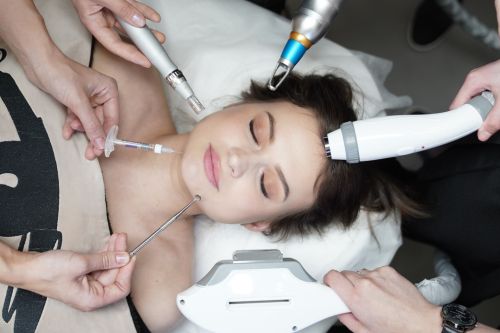
If a mistake was made during your cosmetic surgery or aesthetic treatment, you may be entitled to claim compensation for your injuriespainand financial losses.

At NJS Law, our experienced cosmetic negligence solicitors take the time to understand what you are going through. We provide clear, practical advice and are committed to helping you secure the answersaccountabilityand compensation you deserve.

Cosmetic surgery and beauty treatments can be life changing, but they also carry risks. Before committing to any cosmetic procedure, it is essential that you are fully informed, understand your options, and feel confident in the practitioner providing your care.

Asking the right questions before cosmetic surgery can help you make a safer decision and reduce the risk of negligent treatment.

1. How Many Times Has The Surgeon or Therapist Performed This Procedure?

Experience matters. Ask how often the surgeon or therapist has carried out the specific procedure you are considering and how frequently they perform it. A practitioner with extensive experience is more likely to identify risks and manage complications effectively.

2. What Qualifications and Board Certifications Do They Hold?

Always check the practitioner’s qualifications and professional registrations. Surgeons should be appropriately trained and, where relevant, registered with recognised medical or professional bodies. Never assume credentials – ask to see them.

3. Where Will the Surgery or Treatment Take Place?

You should know exactly where your procedure will be carried out. Whether it is a hospital, clinic, private facility, the location should be suitable for the type of treatment being performed.

4. Is the Surgical or Treatment Facility Accredited

Accreditation is an important indicator of safety standards. Ask whether the facility is properly regulated and inspected, and whether it meets required health and safety standards.

5. Have All Risks and Complications Been Explained to Me?

Before performing cosmetic surgery or treatment, the doctor or therapist should clearly explain:

  • Known risks
  • Possible complications
  • Expected recovery times

You should be given this information in a way you can understand, allowing you to give informed consent.

6. Are There Any Alternative Treatments Available?

If there are alternative procedures or non-surgical options available, these should be discussed with you before you commit to the recommended treatment. You should understand the pros and cons of each option.

7. Am I Being Given Enough Time to Decide?

You should never feel pressured into proceeding. You must be given sufficient time to consider the information provided, weigh up the risks, and decide whether to go ahead.

What Is a Cosmetic Surgical Claim?

Doctors, plastic surgeons, beauty therapists, and other cosmetic practitioners have a legal duty of care to ensure your safety and wellbeing while you are in their care.

If a mistake is made during cosmetic surgery or aesthetic treatment and you suffer injury, pain, or financial loss as a result, you may be entitled to bring a cosmetic negligence claim for compensation.

Cosmetic Negligence Examples

Our cosmetic negligence team can assist with claims arising from a wide range of procedures, including:

  • Botox injections
  • Facelifts
  • Breast augmentation surgery
  • Breast reconstruction following mastectomy
  • Breast reduction surgery
  • Liposuction
  • Nasal (rhinoplasty) surgery
  • Chemical peels
  • Eyelid surgery
  • Tummy tuck (abdominoplasty) surgery
  • Laser eye surgery
  • Cosmetic dentistry
  • Brow lifts
  • Ear surgery

How Long After Surgery Can You Make a Claim?

In most cases, you have three years from the date you knew – or ought reasonably to have known – that you suffered injury or loss due to negligent cosmetic treatment.

This time limit can be complex, so it is important to seek legal advice as early as possible.

What Information Is Needed to Make a Cosmetic Negligence Claim?

To assess and progress your claim, we may need the following information:

  • Your past medical history (including GP and hospital records)
  • Details of how your symptoms affect your life now in the future
  • Any medical, therapy, or related expenses you have paid or may need to pay
  • Whether you have already raised concerns with the practitioner
  • Details of the therapist, surgeon, or clinic involved
  • How you paid for the treatment
  • Details of any cosmetic procedures in the last 10 years

How NJS Law Can Help With a Cosmetic Negligence Claim

NJS Law has a dedicated cosmetic negligence team with decades of combined experience handling cosmetic surgery and aesthetic treatment claims.

Our team will take the time to understand what you are going through and guide you through every step of the claims process with care and professionalism.

Contact NJS Law for a Free Cosmetic Negligence Consultation

If you would like to discuss a cosmetic surgery or beauty treatment issue, please get in touch to arrange a freeno obligation consultation.

We are available by phone or email and are here to help you get the answers and compensation you deserve.

Ask NJS Law

For fast, friendly affordable legal advice. Contact a member of our team today.

FAQ

For any questions we may be able to answer, discover our FAQ section.