
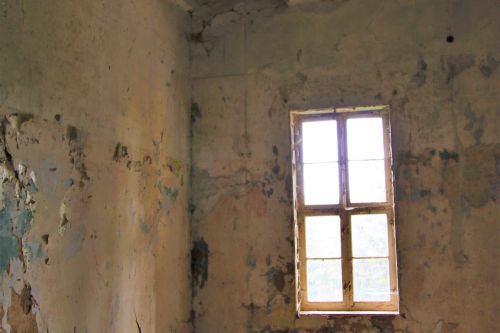
Housing disrepair often attracts attention because of its impact on families with young children. However, older people living in social housing frequently endure unsafe living conditions for years without resolution. In many cases, these failures place elderly tenants at serious risk of physical injury, declining health, and emotional distress.
A recent case highlights the scale of the problem. Westminster City Council agreed to pay £21,000 in compensation to an elderly tenant after prolonged failures to carry out essential repairs. The tenant, a wheelchair user with multiple health conditions, had requested adaptations to her flat before returning home from hospital in May 2020. Despite her vulnerability, the necessary work was not completed.
In July 2022, the tenant’s local MP contacted Westminster City Council to raise concerns about years of unresolved disrepair and the serious effect it was having on elderly and unwell tenants. Initially, the Council dismissed the complaint, claiming it had not received any repair requests within the previous 12 months.
Although the complaint was escalated in September 2022, the Council took six months to log it and a further six weeks to respond. Even then, it took another seven months to deal with the tenant’s rejection of the compensation initially offered. Only after the Council received a formal legal letter demanding £110,000 for distress and inconvenience did the matter progress with urgency.
A subsequent review found multiple failings. The Council had not addressed the original issues raised, failed to recognise the tenant’s vulnerability, and provided inaccurate information about inspections and repairs. In addition, contractors had failed to log defects properly or pass them on.
Older people make up a significant proportion of social housing tenants in the UK:
46% of lead tenants in social housing are aged 55 or over
Around 7% of people aged 65+ live in general social housing
27% of new supported housing lettings in 2021/22 went to households with a lead tenant aged over 65
Supported housing provides accommodation for vulnerable individuals, including elderly people, disabled tenants, and those with mental health conditions, alongside access to care and support services. As a result, landlords must take particular care to ensure properties are safe and well maintained.
Housing disrepair places elderly tenants at heightened risk. While damp and mould can cause respiratory illness in people of all ages, older individuals often face additional and more severe dangers.
For example, loose carpets, cracked tiles, damaged toilets, or broken fixtures significantly increase the risk of falls and serious injury. Similarly, faulty heating, poor insulation, or broken windows can expose elderly tenants to cold conditions, increasing the likelihood of infections and hospital admissions.
In addition to physical harm, poor housing conditions can severely affect mental health. Research reviewing decades of international studies found strong links between housing disrepair and reduced mental wellbeing. In particular, damp, mould, plumbing failures, and structural defects were associated with respiratory symptoms, stress, anxiety, and declining quality of life.
Importantly, landlords must take a proactive approach when managing properties occupied by older tenants. Many elderly people may struggle to report issues repeatedly or may downplay problems, meaning disrepair can go unnoticed unless landlords act responsibly.
Despite the seriousness of the issue, research into the impact of housing disrepair on older people remains limited. Currently, around three-quarters of people aged over 65 live in mortgage-free homes. However, this is changing rapidly due to rising house prices and an ageing population.
As more older people rely on social housing, the risks associated with unresolved disrepair will continue to grow. A frail individual living alone in an unsafe property faces an increased risk of injury, illness, and isolation. Therefore, access to legal advice and representation is essential when landlords fail to meet their obligations.
f you are an older tenant living with damp, mould, or ongoing disrepair and your landlord is not taking action, legal support can make a critical difference.
Our Housing Disrepair Solicitors have extensive experience representing elderly and vulnerable tenants. In most cases, we achieve positive outcomes, and we can often act on a No Win, No Fee basis. This means you will not pay legal fees if your claim is unsuccessful (although disbursements such as court fees may still apply).
We can help by
If you or a loved one is living in unsafe housing conditions and your landlord is failing to act, contact us today. Our team is sympathetic, experienced, and ready to help you protect your health, your home, and your rights.
Call or email us now to discuss your housing disrepair claim and arrange a free, no-obligation consultation.