

Suffering an injury at work can be overwhelming.
In the immediate aftermath, you may be dealing with:
Knowing the correct steps to take after being injured at work can protect not only your health, but also your right to compensation.
Many workplace accident claims succeed or fail based on what happens in the first hours and days following the incident. Acting promptly and carefully can make a significant difference to the strength of your case.
Below is a practical guide to the essential steps you should take.
Even if the injury appears minor, symptoms can worsen over time – particularly with:
You should:
Medical records are crucial evidence. They create an independent record of:
Delaying treatment can not only affect recovery but may also weaken your claim.
Under UK law, workplace accidents must be properly recorded.
You should ensure the incident is entered into the company Accident Book. Check that the record includes:
Take a photograph of the entry for your own records.
If your employer refuses to record the accident, send a written email describing what happened. This creates a documented timeline.
Failure to report the accident promptly is one of the most common reasons insurers dispute claims.
If you are physically able, gather evidence as soon as possible.
This may include:
If CCTV footage may exist, request that it is preserved immediately. Many systems automatically delete footage within days or weeks.
The earlier evidence is secured, the stronger your position will be.
If your injury results in financial loss, you may be entitled to recover those losses as part of your compensation claim. You can read more about potential claim values in our guide on accident at work claims and how much compensation you could get.
Keep evidence of:
These losses form part of what is known as special damages and can significantly increase the overall value of your claim.
Many people delay seeking legal advice because they:
In reality, most accident at work claims are handled by the employer’s insurer and proceed professionally.
Early legal advice ensures:
A solicitor can also explain how a No Win No Fee agreement works, so you understand the financial position from the outset.
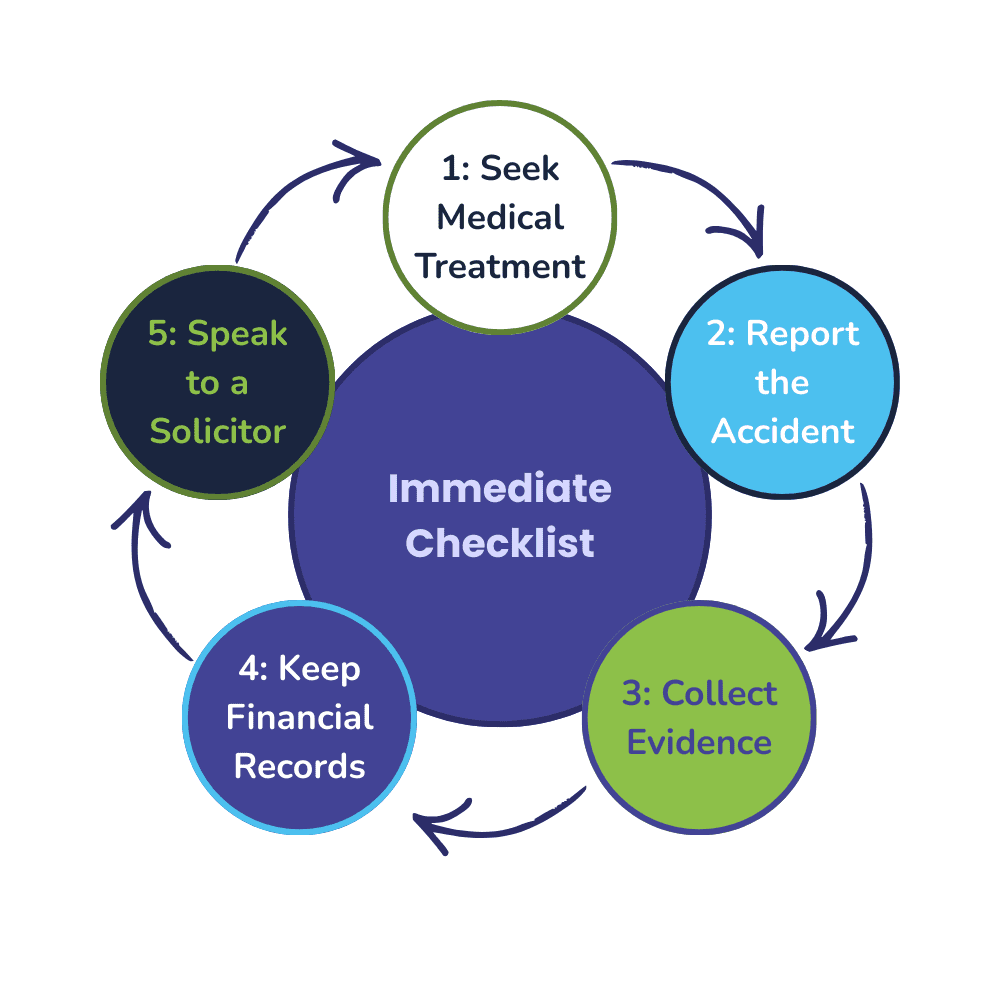
Certain common mistakes can weaken or even prevent a successful claim.
If an accident is not recorded, insurers may argue it did not happen as described.
A gap between the accident and treatment may raise questions about causation.
Insurers sometimes make early offers before full medical evidence is available.
Once accepted, you cannot usually reopen the claim – even if your condition worsens.
Social media posts can be used by insurers to challenge claims.
Avoid posting about:

Most accident claims must be issued within three years. You can read more about the relevant deadlines in our guide on accident at work time limits and how long you have to claim.
Even though that may seem like a long time, delaying can seriously weaken your case as:
Early action protects your position.
Understanding your rights is the first step. Enforcing them effectively is the next.
Workplace accident claims often involve:
A specialist solicitor can assess whether your employer has breached statutory duties and whether that breach caused your injury.
When you are injured at work, you need more than general advice — you need clear, strategic legal guidance from solicitors who understand employer liability, workplace regulations and insurer tactics.
At NJS Law, we act exclusively in the interests of injured individuals. We understand the physical, financial and emotional pressure that follows a workplace accident. Our role is to remove that pressure and handle the legal process with clarity and confidence. You can read what clients say about our service on our NJS Law reviews.
When you instruct NJS Law, you can expect:
We are experienced in handling claims involving:
Every case is handled with attention to detail and a focus on achieving the best possible outcome for you.
If you have suffered an accident at work, early advice can make a significant difference to your claim.
Contact our Accident at Work Solicitors today for a confidential discussion about your situation. We will explain:
There is no obligation to proceed – just clear professional advice.
Call us today or complete our online enquiry form to speak with a specialist accident at work solicitor.
Your recovery matters. Your rights matter.
Let NJS Law help you secure the compensation you deserve.
→ Learn more About Us

Yes. Even if you were partly responsible, you may still receive compensation under contributory negligence principles.
Your compensation may be reduced to reflect your share of responsibility, but you are not automatically prevented from claiming. Employers still have a legal duty to provide a safe working environment.
You can still bring a claim.
While accident book entries are helpful evidence, they are not essential. Medical records, witness statements, CCTV footage and photographs can all support your case.
It is advisable to notify your employer in writing as soon as possible if the incident was not formally recorded.
In most cases, you have three years from the date of the accident to start court proceedings.
If your injury developed over time (for example, repetitive strain injury), the three year period may begin from the date you became aware that your condition was work-related.
There are exceptions for children and individuals lacking mental capacity.
No. It is unlawful for an employer to dismiss or treat you unfairly for pursuing a legitimate personal injury claim. You can read more about your rights in our guide on being sacked for making an accident at work claim.
If your employer takes adverse action against you because you exercised your legal rights, this may amount to unfair dismissal or victimisation.
Most workplace accident claims are handled by the employer’ liability insurance.
The claim is made against the insurer – not directly against your employer personally. Professional employers understand that insurance exists for this purpose.
Get in touch using the form below or via the following methods: