
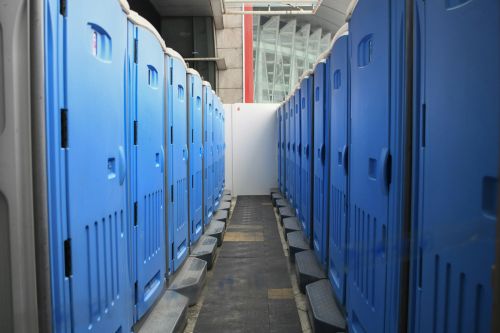
Slipping on leaked liquid from a faulty Portaloo may sound unusual. However, for our client, it resulted in a broken ankle, months of recovery, and significant disruption to daily life. Ultimately, poor maintenance and a failure to manage risks led to a successful occupiers’ liability claim.
Our client attended a music festival and used a standard Portaloo provided on site. Unfortunately, as they exited the unit, they slipped on liquid and fell, fracturing their ankle.
Following a detailed investigation, the cause became clear:
As a result, what appeared to be a minor oversight became a serious public safety breach.
Under the Occupiers’ Liability Act 1957, anyone responsible for premises must take reasonable steps to keep visitors safe. In this case, the claim succeeded for several key reasons.
The Portaloo had a known defect that created a clear slip hazard. Despite this, the responsible parties failed to repair the fault or warn users of the danger.
The accident caused significant physical and emotional harm, including:
The event organisers and facilities provider failed to meet their duty of care. Therefore, our legal team gathered strong evidence, including:
Together, this evidence clearly demonstrated negligence.
Importantly, the client brought the claim within the three-year time limit required under UK personal injury law.
Accidents in public spaces can be legally complex. For that reason, it is vital to choose a solicitor who understands occupiers’ liability law and knows how to prove fault.
When selecting a solicitor, look for someone who:
At NJS Law, we fight for fair outcomes—whether the injury is minor or life-changing.
Yes. If the property owner or operator failed to keep the area safe and you were injured as a result, you may be entitled to compensation.
Yes. In this case, a maintenance fault caused the injury. Therefore, the accident resulted from negligence, not bad luck.
Compensation depends on the severity of the injury and its impact. In this case, our client recovered £26,000.
Get in touch using the form below or via the following methods: