
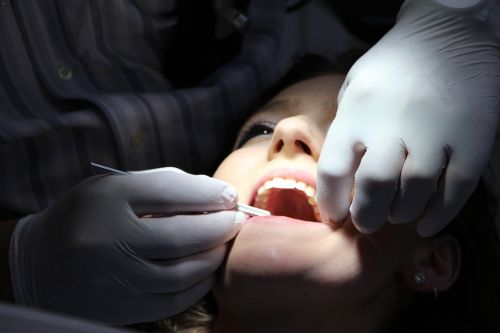
Dental care plays a vital role in maintaining your overall health. As a result, patients place significant trust in dental professionals to deliver safe and effective treatment. Unfortunately, like all areas of healthcare, dentistry is not immune to negligence. When dental care falls below an acceptable standard, the consequences can be serious and long-lasting.
Dental negligence can lead to pain, permanent damage, and costly corrective treatment. Below, we outline some of the most common examples of dental negligence to help you understand when you may have a valid claim.
If a dentist fails to diagnose or properly treat gum disease, the condition can worsen significantly. Over time, untreated periodontal disease may result in tooth loss and has also been linked to wider health risks, including heart disease and diabetes.
Root canal treatment must be carried out with precision. When the procedure is performed poorly, patients may suffer ongoing pain, infection, or nerve damage. In particular, negligence may occur if sodium hypochlorite (the dental bleach used during treatment) escapes beyond the tooth, causing tissue damage.
Although tooth extractions are common, mistakes can still occur. Typical examples of negligent tooth extraction include:
These errors can lead to prolonged recovery and further corrective treatment.
Dental implants require careful planning and execution. A failed implant may indicate negligence, especially where one or more of the following issues apply:
Any of these failures can significantly reduce the lifespan of the implant and cause avoidable pain.
Crowns, veneers, and bridges are designed to restore or improve dental function. However, negligent restorative dentistry can result in discomfort, bite problems, or further damage to surrounding teeth. If your ability to chew or speak has been affected following treatment, this may indicate substandard care.
Orthodontic treatment requires careful planning and ongoing management. Negligence may arise where there is:
Such errors can prolong treatment time and negatively affect long-term results.
Composite bonding should only be carried out when appropriate and must meet acceptable clinical and cosmetic standards. Negligence may include:
If you have suffered avoidable pain, injury, or financial loss due to negligent dental treatment, you may be entitled to claim compensation. Importantly, dentists and dental hygienists have a duty to provide care that meets professional standards, and failures to do so should be challenged.
Our Dental Negligence team has decades of combined experience advising and representing clients in dental negligence claims. We are sympathetic, understanding, and committed to supporting you throughout the process.
Contact us today to discuss your claim and arrange a free, no-obligation consultation.
Get in touch using the form below or via the following methods:
For fast, friendly affordable legal advice. Contact a member of our team today.