
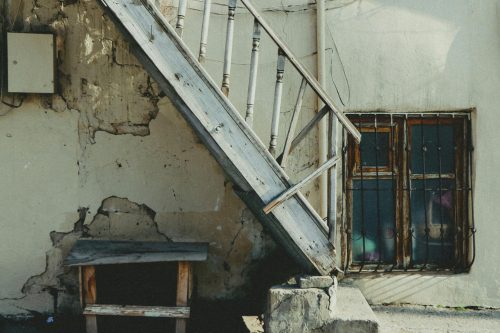
Living with housing disrepair can be stressful and disruptive. Over time, unresolved issues may affect not only your comfort but also your health and overall well-being. Fortunately, the law provides tenants with protections to ensure landlords meet their legal duty to maintain properties in a safe and habitable condition.
Compensation for housing disrepair exists to offer financial redress for inconvenience, distress, and harm caused by poor property maintenance. The level of compensation available depends on several factors, including the severity of the disrepair, how long it has persisted, and the impact it has had on your daily life.
Below is an overview of what you may be able to claim in a housing disrepair case.
First and foremost, a housing disrepair claim seeks to ensure that outstanding repairs are completed. After all, tenants have a legal right to live in a property that meets acceptable living standards.
Typically, claims involve issues such as:
In many situations, once legal action begins, landlords finally take steps to address long-standing problems. Consequently, the property can be restored to a safe and suitable condition.
In addition to securing repairs, tenants may also be entitled to compensation where disrepair has caused injury or illness. For instance, prolonged exposure to damp and mould can worsen respiratory conditions. Likewise, unsafe flooring, loose fixtures, or structural defects may lead to slips, trips, or falls.
Furthermore, inadequate heating or insulation can contribute to wider health problems, particularly for vulnerable occupants. In such cases, medical evidence often plays a vital role in supporting a claim and demonstrating the link between the disrepair and the injury suffered.
Importantly, compensation is not limited to physical harm alone. Living in poor conditions can cause significant inconvenience, distress, and disruption to everyday life. Therefore, claims may also reflect the emotional impact of living in a property that is unsafe or uncomfortable.
For example, reduced enjoyment of your home, repeated disruption from unresolved issues, and the stress of continually reporting problems can all be taken into account. In addition, damage to personal belongings caused by leaks or damp may also form part of a claim.
The amount of compensation awarded varies from case to case. Key considerations include:
To maximise your chances of a successful outcome, it is advisable to seek advice from a solicitor who specialises in housing disrepair claims. A legal professional can assess your situation, gather evidence, and ensure that the appropriate claims are pursued.
In conclusion, housing disrepair should never be accepted as unavoidable. If poor living conditions have affected your health, comfort, or quality of life, you may be entitled to both essential repairs and financial compensation. With appropriate legal support, you can protect your rights and take meaningful steps towards restoring safe and suitable living conditions.
For fast, friendly affordable legal advice. Contact a member of our team today.