
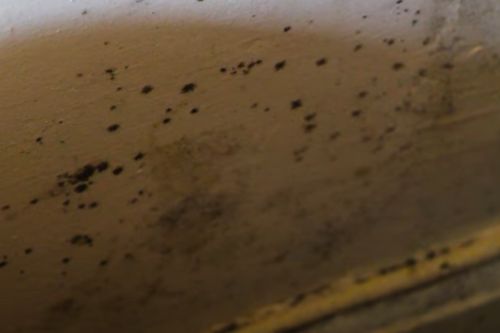
This week’s Coroner’s ruling that two-year-old Awaab Ishak died from a respiratory condition caused by exposure to mould in his flat has sent shockwaves through the social housing sector. The ruling has reignited national debate about damp and mould in social housing and raised urgent questions about how such conditions were allowed to persist in 2020, the year Awaab died.
The tragedy has prompted renewed calls from politicians, housing experts, and tenant advocates for stronger action to ensure homes are safe, healthy, and fit for human habitation.
The Secretary of State for Levelling Up, Housing and Communities, Michael Gove, described Awaab Ishak’s death as an “unacceptable tragedy”. Speaking to the BBC, he made clear that financial pressures facing local authorities are no excuse for failing tenants:
“We all know that local authorities are facing challenging times when it comes to finance but, frankly, that is no excuse.”
He continued:
“When you have got a situation where you have a young child in a house that is unfit for human habitation, it is a basic responsibility of the local authority – but particularly the housing association – to make sure that people are in decent homes.”
Mr Gove also criticised attempts to deflect responsibility, adding:
“All this what-aboutery… ‘Oh, if only we had more government money’ – do your job.”
Following the Coroner’s report, Mr Gove confirmed that he had written to all registered providers of social housing in England, directing them to take damp and mould hazards seriously.
Housing providers were instructed to:
This directive reflects growing recognition that damp and mould are not cosmetic issues, but serious health hazards.
Like many tenants living with mould, Awaab’s father repeatedly reported the damp and mould issues in the family’s flat to Rochdale Boroughwide Housing (RBH). Despite these complaints, no effective action was taken before Awaab’s death.
The Coroner described the case as a “defining moment” for the housing sector, calling for greater awareness and understanding of the dangers posed by damp and mould.
Despite England being one of the world’s wealthiest countries, millions of people still live in damp and mouldy homes.
According to the latest English Housing Survey, commissioned by the Department for Levelling Up, Housing and Communities:
These figures highlight that damp and mould remain a systemic issue, particularly in social hosuing.
Damp and mould can cause or worsen respiratory conditions, asthma, allergies, and infections, particularly in children and vulnerable individuals.
Below, we explain:
If you are living in a social housing property affected by damp or mould, you have rights – and legal options – to ensure your home is made safe.
Damp and mould develop when excess moisture builds up inside a property. There are three main types of damp commonly found in rented homes.
Condensation is the most common cause of damp in rented properties. Everyday activities such as cooking, showering, and drying clothes indoors release moisture into the air.
If a home lacks adequate ventilation, this moisture settles on cold surfaces like walls and windows, creating ideal conditions for mould growth.
Penetrating damp occurs when water enters the property from outside. Common causes include:
This type of damp often leads to black mould growth, particularly on walls and ceilings.
Rising damp happens when groundwater travels upward through the structure of a building. It is most commonly found in properties built before 1875, where modern damp-proof courses may be absent or ineffective.
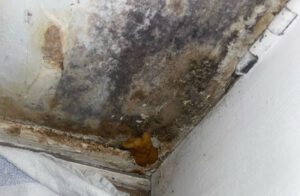
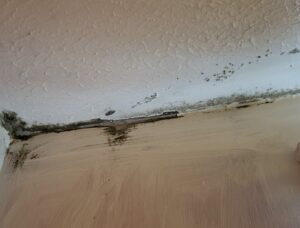
Mould is a fungus that thrives in damp conditions. Condensation and penetrating damp can cause severe black mould, which releases airborne spores. These spores can be harmful when inhaled and pose serious health risks.
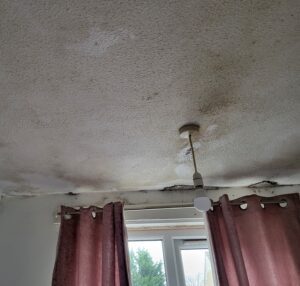
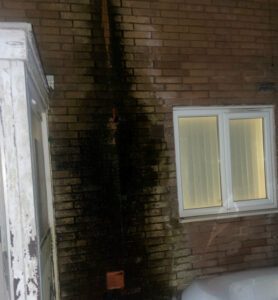
Mould spores are microscopic – around half the width of a human hair – and can circulate through the air unnoticed. They are a known allergen and can trigger adverse health effects.
According to the NHS, people living in damp and mouldy homes are at increased risk of:
The following groups are particularly vulnerable to mould exposure:
No one should be forced to live in a damp or mouldy home. Landlords have a legal duty to fix these issues, and tenants may be entitled to compensation if repairs are delayed or ignored.
Many tenants spend months or even years reporting damp and mould before seeking legal help. However, the sooner you contact a Housing Disrepair Solicitor, the sooner repairs can be enforced.
Two key laws protect tenants:
Under these laws, landlords are responsible for maintaining and repairing:
If damp and mould are caused by any of these issues, your landlord must fix the problem within a reasonable timeframe.
Tenants do have a responsibility to ventilate their homes where possible. However, many tenants cannot do so due to structural defects, such as broken windows, faulty extractor fans, or inadequate heating – issues that are the landlord’s responsibility.
Where this is the case, a Housing Disrepair Solicitor can:
A Housing Disrepair Solicitor can do more than request repairs. They can:
Legal intervention often moves a claim to the front of the repair queue.
The Social Housing (Regulation) Bill 2022-23, announced in the 2022 Queen’s Speech, aims to improve standards across social housing. Proposed changes include:
While this represents progress, Awaab Ishak’s tragic death shows why urgent action is needed now. Social landlords must respond immediately and effectively to damp and mould complaints.
NJS Law is one of the few housing disrepair solicitors operating across England and Wales with a dedicated legal team focused on tenant claims.
We act nationwide on a No Win No Fee basis. Our experienced and compassionate team will support you every step of the way.
Call NJS Law on 0800 093 3393 to discuss your claim.
*This took place in May 2022 when Her Majesty, Queen Elizabeth II was on the throne.
For fast, friendly affordable legal advice. Contact a member of our team today.