

In the UK, a recent House of Commons Committee Report published in April highlights both progress and persistent shortcomings in cancer diagnosis and treatment.
Over the past 50 years, cancer survival rates have improved significantly. In 1972, only 30% of people were expected to survive cancer for five years or more. By 2011, that figure had risen to 54%. Undoubtedly, this progress reflects advances in medical science and the dedication of NHS professionals.
However, despite these improvements, England continues to lag behind comparable countries. For example, only 58.9% of people diagnosed with colon cancer in England survive for five years or more. By contrast, survival rates stand at 66.8% in Canada and 70.8% in Australia.
Furthermore, the COVID-19 pandemic placed unprecedented strain on cancer services:
As a result, many cancers were diagnosed later than they should have been, often with devastating consequences.
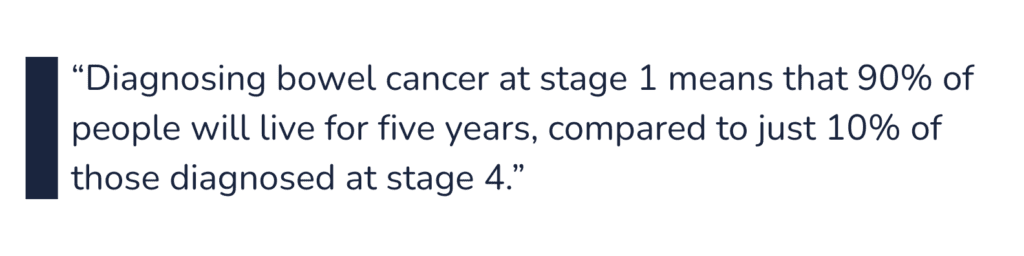
Crucially, the earlier cancer is diagnosed, the better the chances of survival. According to the Committee Report:
Similarly stark contrasts exist for other cancers:
Clearly, delayed diagnosis can transform a treatable condition into a life-threatening one.
If your cancer was diagnosed late, you may be experiencing fear, anger, or frustration. While many patients understand the immense pressure faced by GPs and hospital doctors during the pandemic, it is equally important to protect your own health and your family’s future.
In these circumstances, compensation can help. For example, it may allow you to:
Initially, a medical negligence solicitor will listen carefully to your experience and obtain your full medical records. These records, together with any complaint responses, will then be reviewed in detail.
Next, your solicitor will assess the strength of your case and explain the claims process clearly and realistically. Importantly, medical negligence claims often take between 12 and 36 months to resolve. Therefore, it is essential that you feel comfortable with your solicitor and trust their advice throughout the process.
If your claim is successful, your solicitor can advise you on setting up a Personal Injury Trust. By placing your compensation into the trust, your entitlement to means-tested benefits can be protected.
In most cases, medical negligence solicitors act under a No Win, No Fee agreement, also known as a Conditional Fee Agreement (CFA).
This means:
In addition, your solicitor can arrange After The Event (ATE) insurance, which protects you against the other party’s legal costs if the claim does not succeed.
Because solicitors carry most of the financial risk under these agreements, their willingness to act often reflects strong confidence in the merits of your case.
Fortunately, most delayed cancer diagnosis claims settle out of court. As a result, you are unlikely to face the stress of a full trial. However, if court proceedings do become necessary, your solicitor will support you throughout.
A delayed cancer diagnosis can quite literally be a matter of life and death. If negligent care by a GP or consultant caused your diagnosis to occur later than it should have, you may be entitled to compensation. Ultimately, this compensation can help secure vital treatment and provide financial stability for you and your family.
Our team has decades of combined experience advising and representing clients in clinical negligence claims. We are supportive, professional, and committed to guiding you at every stage.
Get in touch using the form below or via the following methods:
For fast, friendly affordable legal advice. Contact a member of our team today.