

At NJS Law, we work with many clients whose most serious injury is not visible.
While bruises and fractures may heal, psychological injuries and PTSD can last for years, affecting work, relationships and day-to-day life.
The Criminal Injuries Compensation Authority (CICA) does recognise mental health injuries – but the rules are technical, and claims are often under-valued or refused without the right evidence.
This guide explains, in clear terms:
If you’d like tailored advice, you can speak to our team here: CICA Specialists
Yes. You can make a CICA claim for psychological injury even where there is no physical injury.
You may be entitled to compensation if you developed:
To qualify, your condition must be directly linked to a crime of violence that has been reported to the police, and you must be formally diagnosed by a psychologist or psychiatrist.
CICA uses strict criteria when it considers a psychological injury. In most cases, it will expect:
A short GP note is rarely enough on its own. The strongest claims usually include a full psychiatric report and ongoing treatment records.
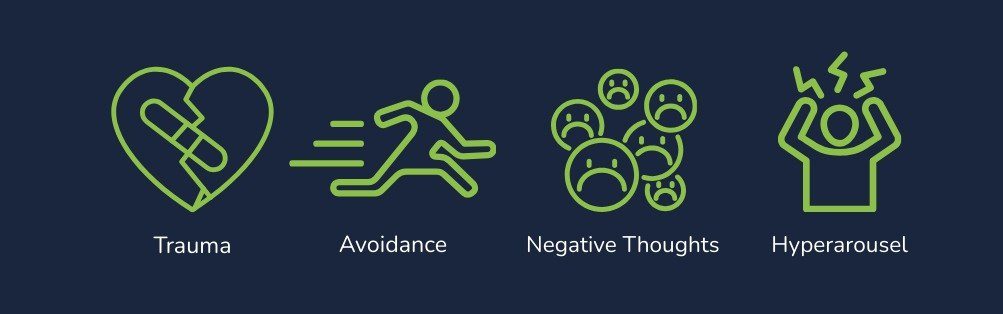
To award compensation for Mental Health, CICA looks for symptoms that match recognised diagnostic standards (for example DSM-5 criteria), such as:
You do not need to tick every box, but your medical evidence should show a recognised psychiatric injury, not just ordinary upset or distress.
CICA uses a fixed tariff system. The amount you receive depends on how severe and long-lasting your psychological injury is.
While every case is different, psychological injuries often fall into categories along these lines:
You can only be compensated for the single highest-value psychological injury – CICA does not add multiple mental injuries together.
For some clients, additional compensation may be available for loss of earnings or special expenses.
See our main guide on Criminal Injuries Compensation for more detail.
We regularly see psychological injuries after:
If the incident was reported to the police and you’ve suffered a psychological injury as a result, you may have grounds to claim.
CICA understands that victims may not have extensive evidence. Still, strong documentation helps your case.
CICA gives greatest weight to:
These should confirm:
Helpful documents include:
CICA will want to see that:
Your crime reference number and police statements are key documents.
To demonstrate how your psychological injury affects your life, you can use:
CICA looks at much more than just your diagnosis label. It may consider:
The more serious and long-lasting the impact, the higher the bracket your award is likely to fall into.

Sadly, many psychological injury claims are refused or under-valued.
Common reasons include:
At NJS Law, we regularly review refused CICA cases and identify where:
We then prepare a structured, evidence-based challenge on your behalf.
Yes. CICA can award compensation for psychological injury alone.
This is particularly common in:
You do not need broken bones or visible wounds for your trauma to be real – and for it to qualify for compensation.
You are allowed to apply directly, but many clients find the process stressful – especially while managing mental health symptoms.
Working with a specialist CICA team like NJS Law can help you to:
If you’d like to discuss your situation in confidence, contact us today.
👉 Speak to our CICA team
You will usually need a diagnosis from a psychiatrist or clinical psychologist. CICA rarely accepts claims based only on short, informal notes.
Yes. Delayed-onset PTSD is recognised. Your medical evidence should explain how the symptoms emerged over time.
In some cases, yes. CICA can extend the usual time limit where there are exceptional circumstances and ongoing impact.
You may still be able to claim, but CICA may request updated evidence. We often advise clients to seek an assessment so their condition is properly documented.
Get in touch using the form below or via the following methods: