
HOUSING DISREPAIR - CASE STUDY
Mould in a rented property is never just a cosmetic problem, and it is never “just a bit of mould.” Left untreated, it spreads – and it spreads faster than most people realise. This case shows exactly what happens when a landlord is told about mould and simply does nothing.
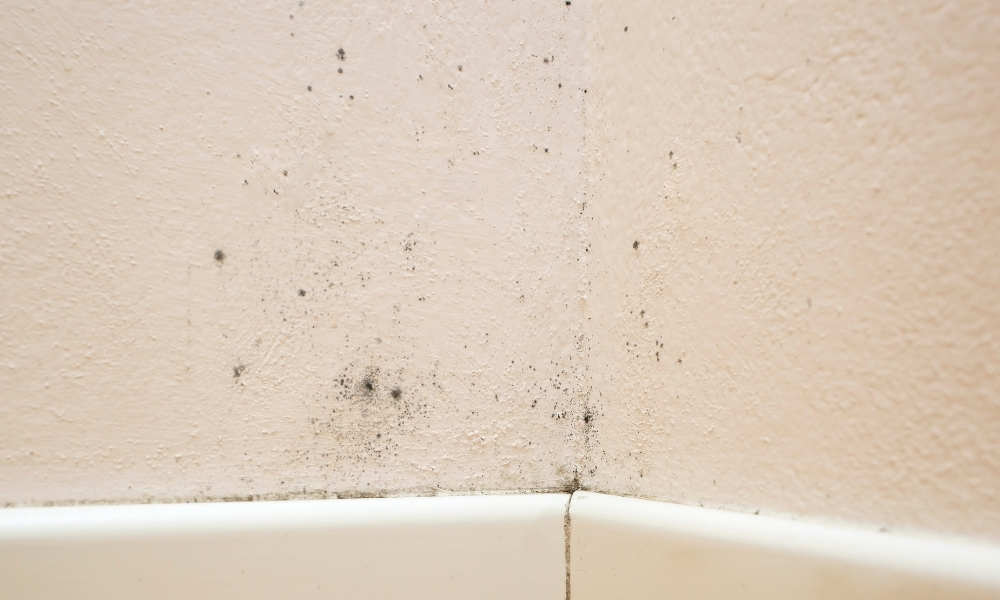
By the time our client came to NJS Law, what had started as mould around a single window frame had spread across both walls of her hallway, crept into the lounge, and damaged her furniture – including a chest of drawers that had been ruined by the damp. Her landlord had been told. They had done nothing. We held them accountable, and she won £7,500 in compensation plus all the repairs she had been waiting months for.
Every case is different. Your outcome will depend on your individual circumstances.
This is a question worth understanding, because it explains why early action matters so much in housing disrepair cases involving damp and mould.
In this property, damp and mould first appeared around one window frame. It was noticeable, it was reported, and it was ignored. Without any intervention to address the underlying moisture problem, mould did exactly what it does when left alone in warm, damp conditions – it spread.
By the time our client came to us, the picture was this:
All of this was the result of a problem that, had the landlord acted when first told, would have been far smaller – and far cheaper – to deal with. Disrepair does not stay still. The longer a landlord ignores it, the worse it becomes.
Mould reproduces through microscopic spores. In a home with persistent damp – caused by leaks, poor ventilation, water ingress, or rising damp – those spores find warm, moist surfaces and multiply rapidly. Once mould has taken hold, it does not respect room boundaries. Spores travel through the air, settling on surfaces throughout the home, and mould will grow wherever conditions allow: walls, ceilings, soft furnishings, clothing, and wooden furniture.
The health risks are significant, particularly where mould is extensive. Mould exposure is linked to respiratory problems, sore throats, eye irritation, skin reactions and the worsening of conditions like asthma. People with compromised immune systems, young children and the elderly are especially vulnerable.
The NHS has published guidance on the health effects of damp and mould in homes:
The Government has also produced specific guidance acknowledging damp and mould as a health risk in rented housing:
Yes – and this is something many tenants overlook when they think about housing disrepair claims.
Compensation in a housing disrepair case can include two categories of loss. The first is general damages – compensation for the impact the disrepair has had on your quality of life, your comfort, and your ability to use and enjoy your home. The second is special damages – compensation for specific financial losses you have suffered as a direct result of the landlord’s failure, including the cost of replacing belongings that have been damaged by damp or mould.
In this client’s case, the damage to her furniture – including the chest of drawers ruined by the damp – formed part of the evidence of the harm her landlord’s inaction had caused.
If your belongings have been damaged, photograph them, list them, and keep any receipts you have. That documentation can form part of a special damages claim.
For more on how compensation is calculated in civil claims:
Landlords in England and Wales have clear legal obligations when it comes to the condition of rented properties. These are the most important pieces of legislation relevant to cases like this one:
Section 11 places a duty on landlords to keep the structure and exterior of a rented property in good repair. That includes the walls, windows and any external envelope of the building. Where damp enters through defects in the structure – causing mould, peeling paint and damaged plaster – that is a Section 11 problem. The landlord’s failure to act after being notified is a breach of this duty.
This act requires that rented properties are fit for human habitation throughout the tenancy. A home where mould has spread from one room to another, where paint is peeling from walls, and where furniture has been damaged by persistent damp, is a property that may well be unfit under this act. Tenants can bring a claim directly in the county court where landlords fail to maintain this standard.
The HHSRS is the Government’s framework for rating hazards in residential properties. Damp and mould growth is classified as a potential Category 1 hazard under this system – the most serious category, which local authorities are required to address. A property with the extent of mould described in this case would be likely to attract serious concern under an HHSRS assessment.
You can also read the Government’s general guidance on tenants’ rights regarding repairs:
When this client came to us, we first assessed the full extent of the situation and established her evidence trail – her records of the reports made to the landlord and the landlord’s consistent failure to respond.
We instructed an independent surveyor to inspect the property and document the extent of the mould, the spread, the structural damp, and the damage to her belongings. That expert report became the backbone of the claim.
We then made a formal claim against the landlord. The case settled for £7,500 in compensation, and the landlord was required to carry out all of the repairs that had been left outstanding for far too long.
Disrepair does not stay still.
Every week a landlord ignores damp or mould is another week for it to spread further, damage more of your home, affect more of your belongings, and potentially worsen your health. Waiting does not make the situation easier to deal with – it makes it harder. And it means you live with the problem for longer
Acting early also means your evidence is stronger. A clear record of reports made promptly after the problem appeared, combined with evidence of ongoing landlord inaction, builds a compelling case. The longer the timeline, the more it can demonstrate the extent of the landlord’s failure – but there is no benefit to waiting unnecessarily.
If you have already been reporting the issue for some time and nothing has been done, do not wait any longer. Get advice now.
You may have a claim if:
You do not need to have mould covering every room. You do not need to have been made seriously ill. If you have reported a problem and been ignored, you may already have the foundation of a claim.
For a full guide to how housing disrepair claims work in England and Wales:
If your landlord is ignoring damp or mould, the situation will get worse the longer they continue to do nothing. Contact NJS Law for a free initial conversation – no obligation, no cost. We will tell you honestly whether you have a claim and what we think it could be worth.
Every case we take on is no win, no fee. If we don’t win, you pay nothing. Get in touch today and let’s get it sorted before it spreads any further.
Message NJS Law today. Every week it's getting worse. The first conversation is free, and it's no win, no fee. Let's get it sorted.
Every case is different. The outcome of any legal claim depends on your individual circumstances. Details of the case described in this article have been changed to protect client confidentiality. This article is provided for general information only and does not constitute legal advice. NJS Law is regulated by the Solicitors Regulation Authority.
Get in touch using the form below or via the following methods: