
HOUSING DISREPAIR - CASE STUDY
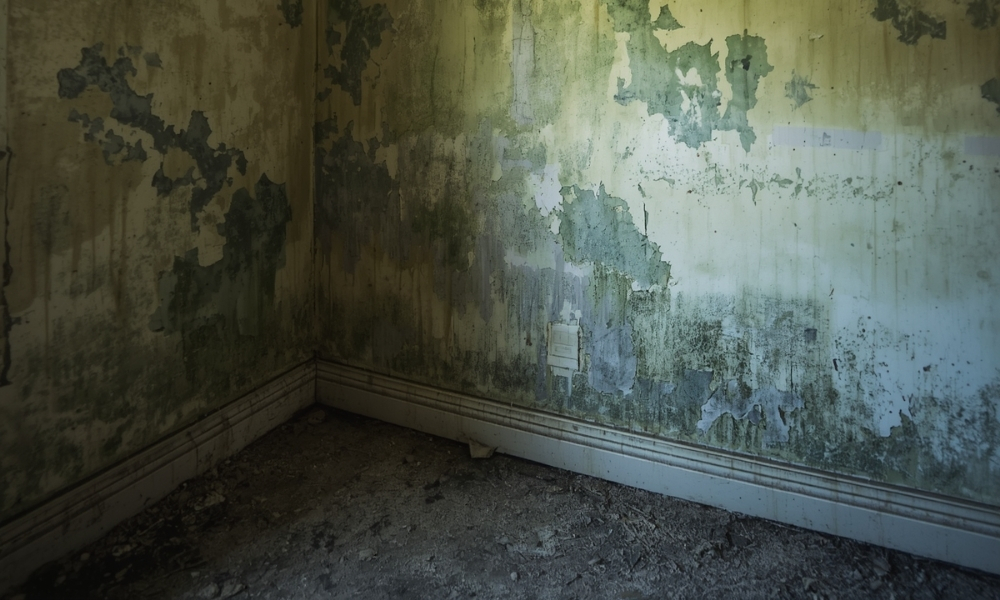
When a rented home has a persistent ceiling leak, the moisture has to go somewhere. In this case, it went into the walls and ceilings of the rooms where two children slept – creating the conditions for mould to grow and spread while their landlord looked the other way.
This client came to NJS Law after months of being ignored. We held her landlord accountable, secured £5,000 in compensation, and made sure her family finally had a home that was safe to live in. Here is what happened, what the law says, and what you should do if your family is in a similar situation.
Every case is different. Your outcome will depend on your individual circumstances.
The problems in this property began with a ceiling that would not stop leaking. Water came through so consistently that the plaster above never had the chance to dry out properly. Over time, that trapped moisture created the ideal conditions for damp to take hold – and then mould began to appear.
The mould spread to the walls and ceilings of the rooms the children slept in. Mould in a bedroom is not just unpleasant – as we explain below, it carries real health risks, particularly for children.
At the same time, the property had separate problems with its electrics. Light fittings were broken, and electrical faults made parts of the home genuinely unsafe to use. These were not cosmetic issues – they were safety hazards.
She reported all of it. Countless times. Her landlord did nothing.
While they did nothing, her children were suffering recurring sore throats and illness – a mother watching her children become unwell in their own home, being repeatedly fobbed off and ignored.
Mould produces spores and mycotoxins that, when inhaled, can cause and aggravate a range of health problems. Children are particularly vulnerable because their immune systems and lungs are still developing.
Health effects linked to damp and mould exposure include:
The NHS has published clear guidance on the health risks associated with damp and mould in the home:
The Government has also recognised damp and mould as a serious housing hazard, publishing specific guidance for rented housing providers:
Yes. A landlord’s legal duties do not stop at walls and roofs. Under Section 11 of the Landlord and Tenant Act 1985, landlords are also required to keep in good repair and working order the installations in the property for the supply of water, gas, electricity, space heating and water heating. Broken light fittings and electrical faults fall squarely within this duty.
A landlord who is told about an electrical fault and does nothing is failing in a legal obligation – and potentially creating a serious danger for the people living in their property.
Tenants in England and Wales have clear legal protections when it comes to the condition of their rented home. The key legislation is as follows:
Section 11 requires landlords to maintain the structure, exterior and installations of a rented property in good repair. It applies to all residential tenancies ofless than seven years. Once a tenant has reported a problem, the landlord is required to act within a reasonable time. Failing to do so is a breach of this duty, which tenants can enforce through the courts.
This legislation requires rented homes – including those let by councils and housing associations – to be fit for human habitation at the beginning of and throughout the tenancy. A property where mould is growing in children’s bedrooms, electrical fittings are broken, and a ceiling has been leaking unaddressed for months is unlikely to meet this standard. Tenants can sue their landlord directly in the county court under this act.
Under the HHSRS – the Government’s hazard-rating system for residential properties – damp and mould growth is classified as a potential Category 1 hazard: the highest level of risk, which local authorities are legally required to act on when found. A home with spreading mould, persistent damp and electrical faults would warrant serious concern under this framework.
For a general overview of your rights around repairs in rented housing:
When this client came to us, we began by establishing the evidence trail. Her records showed a clear and consistent pattern: she had reported the ceiling leak, the mould and the electrical faults, repeatedly, over an extended period. Her landlord had failed to act on any of it.
We instructed an independent expert to survey the property and document the conditions, including the extent of the mould and the electrical issues. The health impact on the children was also documented as part of the case – because where a landlord’s failure causes or worsens health problems, that can increase the compensation awarded.
The landlord was held accountable. Our client received £5,000 in compensation – and, just as importantly, the repairs were carried out so her family could finally live in a safe, healthy home.
Where the health of a child has been directly affected by the conditions in a rented property, this is a significant factor in a housing disrepair claim. It can increase the compensation payable and may also raise the question of whether a separate personal injury element to the claim should be considered.
For more information on how claims involving children are handled, you may find our guide useful:
You may have a claim if all of the following are true:
If your children’s health has been affected by the conditions in your home, that makes it all the more important to get advice quickly. Time limits apply to housing disrepair claims, and the sooner you act, the better placed you will be.
For a full explanation of how housing disrepair claims work, read our comprehensive guide:
If damp or mould is affecting your family and your landlord will not act, do not sit with it. Get in touch with NJS Law for a free initial conversation. We will listen to your situation and give you an honest answer about whether
you have a claim.
If we take on your case, it will be on a no win, no fee basis – so there is nothing to pay if we do not win. You have nothing to lose by finding out where you stand.
Message NJS Law today. The first conversation is free - and it's no win, no fee. Let's find out if you have a claim.
Every case is different. The outcome of any legal claim depends on your individual circumstances. Details of the case described in this article have been changed to protect client confidentiality. This article is provided for general information only and does not constitute legal advice. NJS Law is regulated by the Solicitors Regulation Authority.
Get in touch using the form below or via the following methods: