
HOUSING DISREPAIR - CASE STUDY
“I didn’t think it was serious enough.” It is one of the most common things we hear from tenants when they first get in touch with NJS Law. They have been living with damp, mould or leaks for months, reporting it time and again, being ignored – and yet they have convinced themselves that their situation does not rise to the level where they could do anything about it.
This case is proof that assumption can be wrong – and costly. Our client had damp and mould throughout her hallway, water coming in every time it rained, and a landlord who ignored every single report she made. She won £2,500 incompensation and had her home properly repaired. Here is what you need to know about whether your situation qualifies.
Every case is different. Your outcome will depend on your individual circumstances.
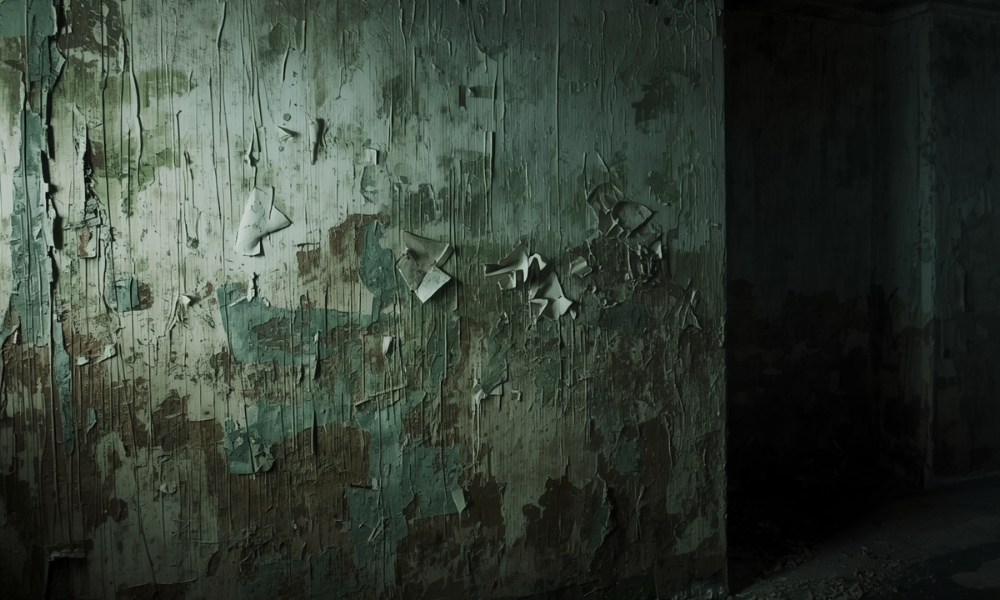
The disrepair in this client’s home centred on her hallway. Damp had taken hold throughout the space, and mould had followed – the visible, unmistakable kind that spreads across walls and makes a home feel unhealthy the moment you step through the front door.
The root cause was water ingress: every time it rained, water was getting into the property and making the problem worse. This was not a one-off leak that dried out quickly. It was an ongoing, worsening situation that was causing real damage to the property and real disruption to the life of the person living in it.
She reported it to her landlord. Time and time again. And was ignored every single time.
She did not think it was catastrophic enough to take further. She was not living with rats in the kitchen or mould across the bedrooms – it was “just” the hallway, “just” damp, “just” a leak when it rained. So she put up with it. Meanwhile, the landlord’s failure to act meant the problem quietly carried on.
There are a few beliefs that stop tenants from exploring a housing disrepair claim – and most of them are myths.
Common misconceptions about housing disrepair claims:
Once you have reported a repair to your landlord, they must act within a reasonable time. What counts as reasonable depends on the nature and urgency of the problem.
For emergency repairs – such as a total loss of heating in winter, a major structural risk, or a serious flood – reasonable means days, not weeks. For less urgent but still significant disrepair like persistent damp and mould, a reasonable timeframe is generally no more than a few weeks, particularly where the problem has already been reported before.
A landlord who has been told about a problem months ago and done nothing has almost certainly exceeded any definition of a “reasonable time.” That is the point at which legal liability typically begins.
England and Wales have clear legislation protecting tenants in rented homes. Here are the key laws that apply to cases like this one:
This is the primary statute governing landlord repair obligations. Section 11 requires landlords to keep in good repair the structure and exterior of the property – which includes walls, floors, ceilings, windows and drains. Water entering a property through defects in the exterior envelope, and the damp and mould that follows, falls squarely within this duty. Once a tenant has reported the problem, the clock is running.
This act goes further than Section 11 by requiring that the whole home must be fit for human habitation throughout the tenancy. A hallway that is persistently damp, mouldy, and made worse every time it rains could well render a home unfit under this act – particularly if the landlord has been informed and has taken no action.
The HHSRS is the Government’s system for categorising hazards in residential properties. Damp and mould growth is a recognised hazard under this framework, and where it is serious enough to be rated a Category 1 hazard, local authorities are required to take enforcement action. Tenants can also request an inspection by their local council.
The Government’s guidance on tenants’ rights to repairs is also a useful reference:
When this client came to us, we started by establishing her evidence. She had a record of the reports she had made to her landlord – and crucially, she had records of the landlord’s failure to respond. That timeline of ignored reports is what turned her frustration into a legal claim.
We arranged an independent expert survey of the property to document the damp, mould and water ingress, and produced a formal report that demonstrated both the nature of the disrepair and the landlord’s continuing failure to act.
We challenged the landlord on her behalf. The case settled for £2,500 in compensation and the repairs that should have been completed months earlier were finally carried out.
Housing disrepair claims can cover issues including:
The common thread in all of these is not the severity of the individual issue – it is the fact that the tenant has reported it and the landlord has failed to act within a reasonable time. If that describes your situation, you may have a claim regardless of how “minor” the issue might feel.
Yes. Housing disrepair claims are generally subject to a six-year limitation period from the date the disrepair first caused loss or damage. However, this does not mean you should wait – the longer disrepair continues unaddressed, the more complex your evidence can become, and the longer you are living with a problem that is affecting your quality of life.
For context on how time limits operate in civil claims more broadly:
That is exactly what we are here to help you work out. At NJS Law, we offer a free initial conversation – no obligation, no cost. Tell us what is happening in your home, and we will give you an honest answer about whether you have a claim worth pursuing.
If we take on your case, it is on a no win, no fee basis. There is nothing to pay if we do not win. So if you are sitting on a problem and wondering whether it counts – just ask. The worst that happens is we tell you that it does not. The best? You find out you have a case – and start getting the repairs done and the compensation you deserve.
That is exactly what we are here to tell you. Drop NJS Law a message - the first conversation is free, and it is no win, no fee. You have nothing to lose by asking.
Every case is different. The outcome of any legal claim depends on your individual circumstances. Details of the case described in this article have been changed to protect client confidentiality. This article is provided for general information only and does not constitute legal advice. NJS Law is regulated by the Solicitors Regulation Authority.
Get in touch using the form below or via the following methods: