Machinery and Equipment Injury at Work Claims

Machinery and Equipment Injury Claims — Your Rights Under PUWER 1998

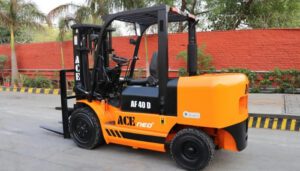
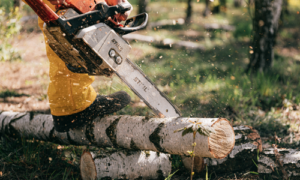
Injuries caused by machinery, power tools, industrial equipment, and vehicles in the workplace are among the most serious categories of workplace accident. They frequently result in crush injuries, amputations, burns, and fractures — often because an employer failed to guard equipment properly, maintain it adequately, or train workers how to use it safely.

The primary legislation governing the safety of work equipment in England and Wales is the Provision and Use of Work Equipment Regulations 1998 (PUWER). If your employer breached PUWER and you were injured as a result, you are entitled to claim compensation.


Read More »
Construction Site Accident Claims

Construction Site Accident Claims — A Complete Guide for Injured Workers

Personal injury claims can take months or years to settle. In the meantime, you may be off work, facing medical bills, requiring paid care, or needing to adapt your home. An interim payment is a payment made to you before your claim finally settles — a payment on account of the compensation you are expected to receive — so that you do not have to wait for the full settlement process to access funds you genuinely need.
This guide explains what interim payments are, when you can get one, how much you can receive, and how the process works.

Read More »
Can My Employer Sack Me for Making a Work Injury Claim?

Can My Employer Sack Me for Making a Work Injury Claim?

Personal injury claims can take months or years to settle. In the meantime, you may be off work, facing medical bills, requiring paid care, or needing to adapt your home. An interim payment is a payment made to you before your claim finally settles — a payment on account of the compensation you are expected to receive — so that you do not have to wait for the full settlement process to access funds you genuinely need.
This guide explains what interim payments are, when you can get one, how much you can receive, and how the process works.

Read More »
RIDDOR and Workplace Accidents

RIDDOR Explained — What Gets Reported and Why It Matters to Your Claim

RIDDOR stands for the Reporting of Injuries, Diseases and Dangerous Occurrences Regulations 2013. It requires employers and certain other duty holders to report specified workplace accidents, occupational diseases, and dangerous occurrences to the Health and Safety Executive (HSE). It is enforced by the HSE and failure to comply is a criminal offence.

Read More »
Manual Handling Injury at Work Claims

Manual Handling Injury at Work Claims

Manual handling injuries — including back, shoulder, and wrist injuries caused by lifting, carrying, pushing, or pulling — are among the most common types of workplace injury in the UK. If your employer failed to properly assess or reduce manual handling risks, you may be entitled to compensation.

Read More »
Falls from Height at Work Claims

Falls from Height at Work Claims

Falls from height are the leading cause of fatal injuries in Great Britain’s workplaces. If you have been injured in a fall at work — from a ladder, scaffold, roof, mezzanine, or any elevated surface — your employer may be liable to pay you compensation.

Read More »